
Last updated November 15, 2026
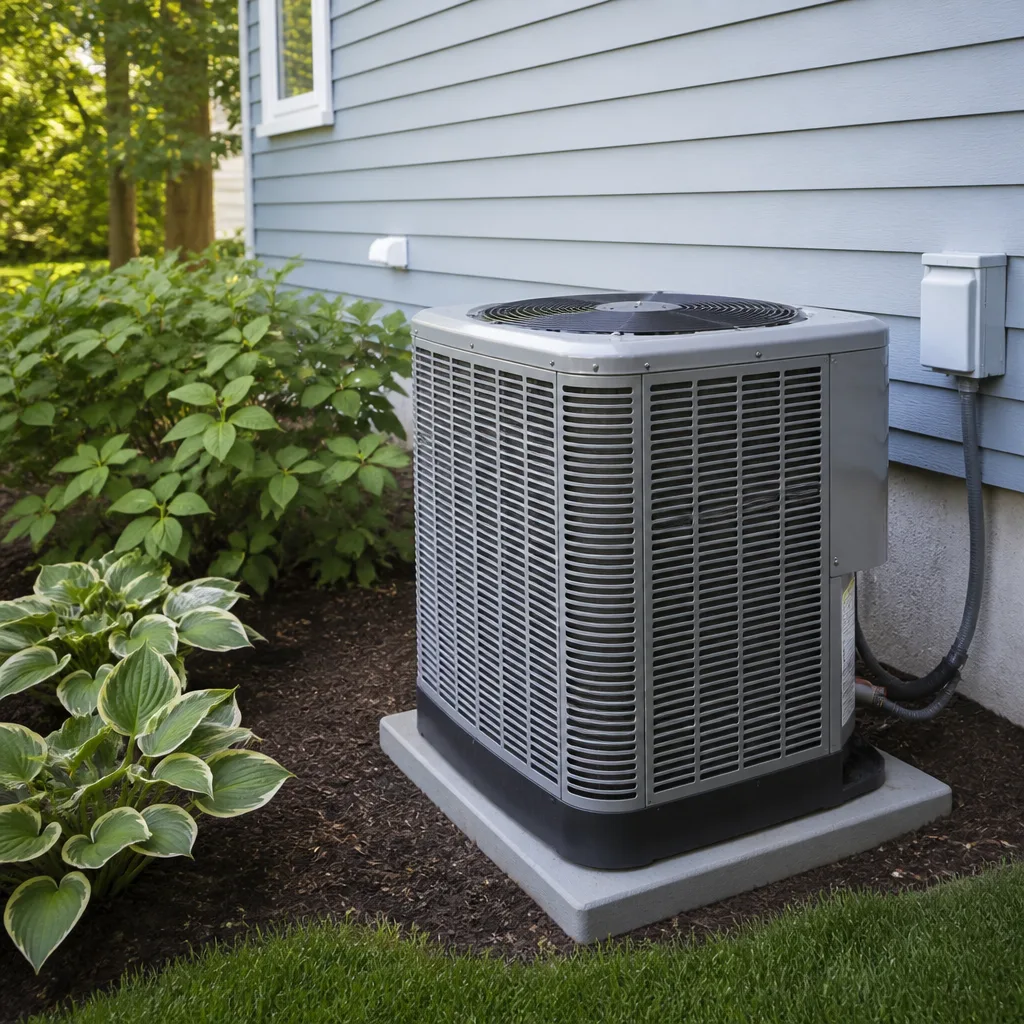 AC repair
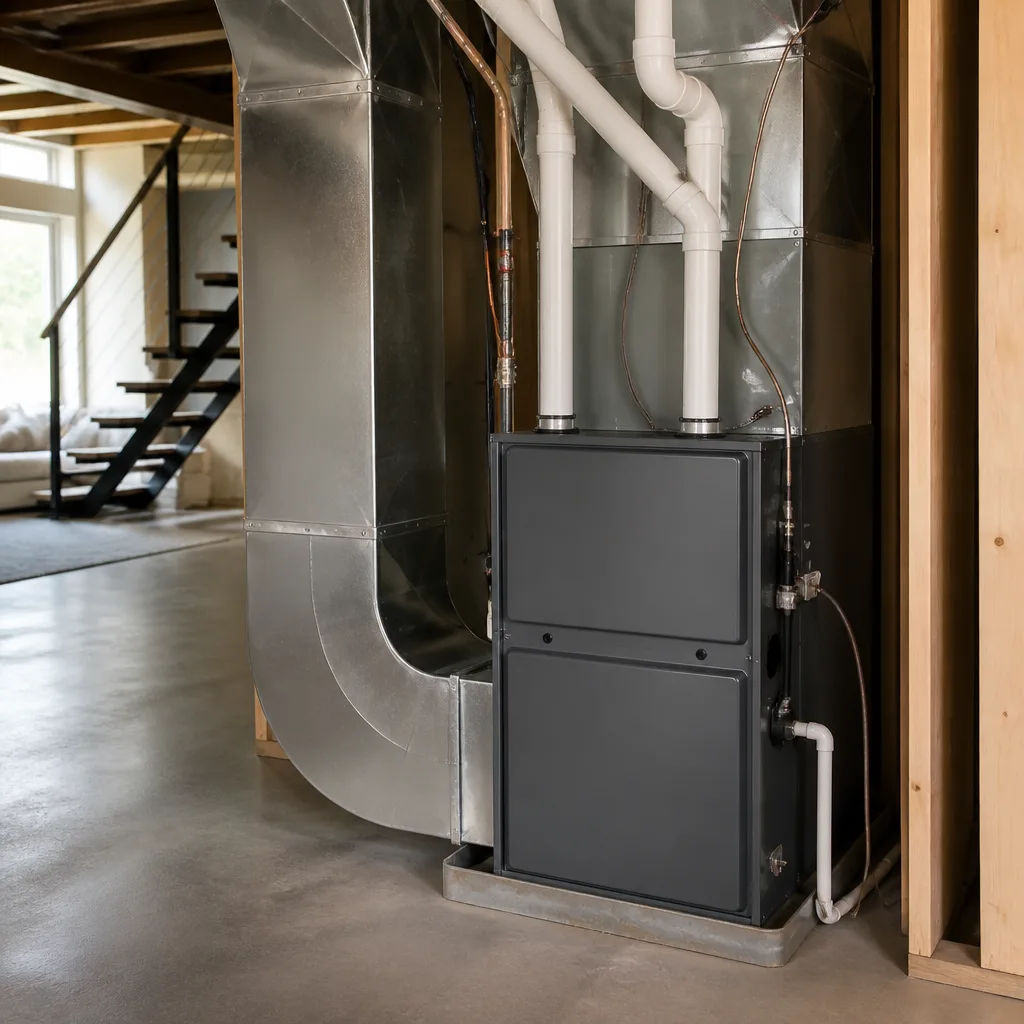 Furnace & heating
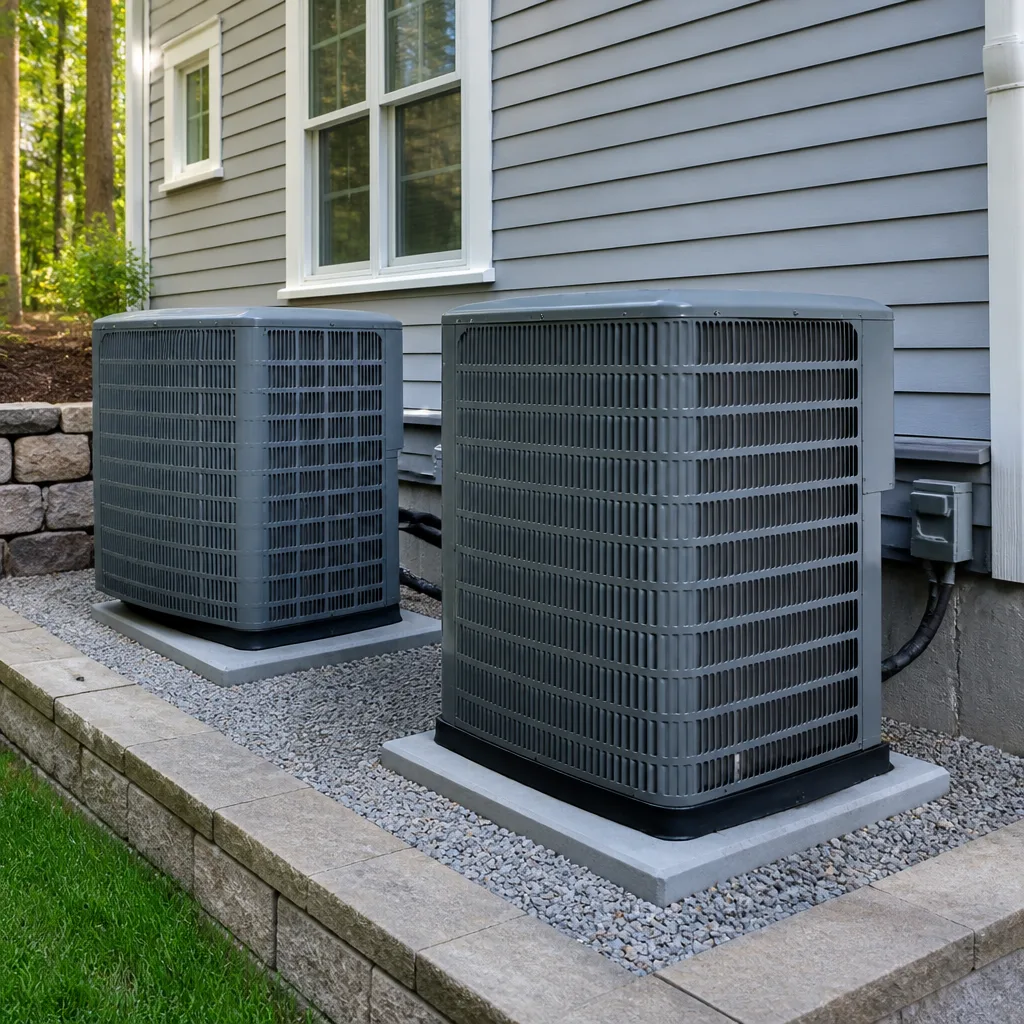 Heat pumps
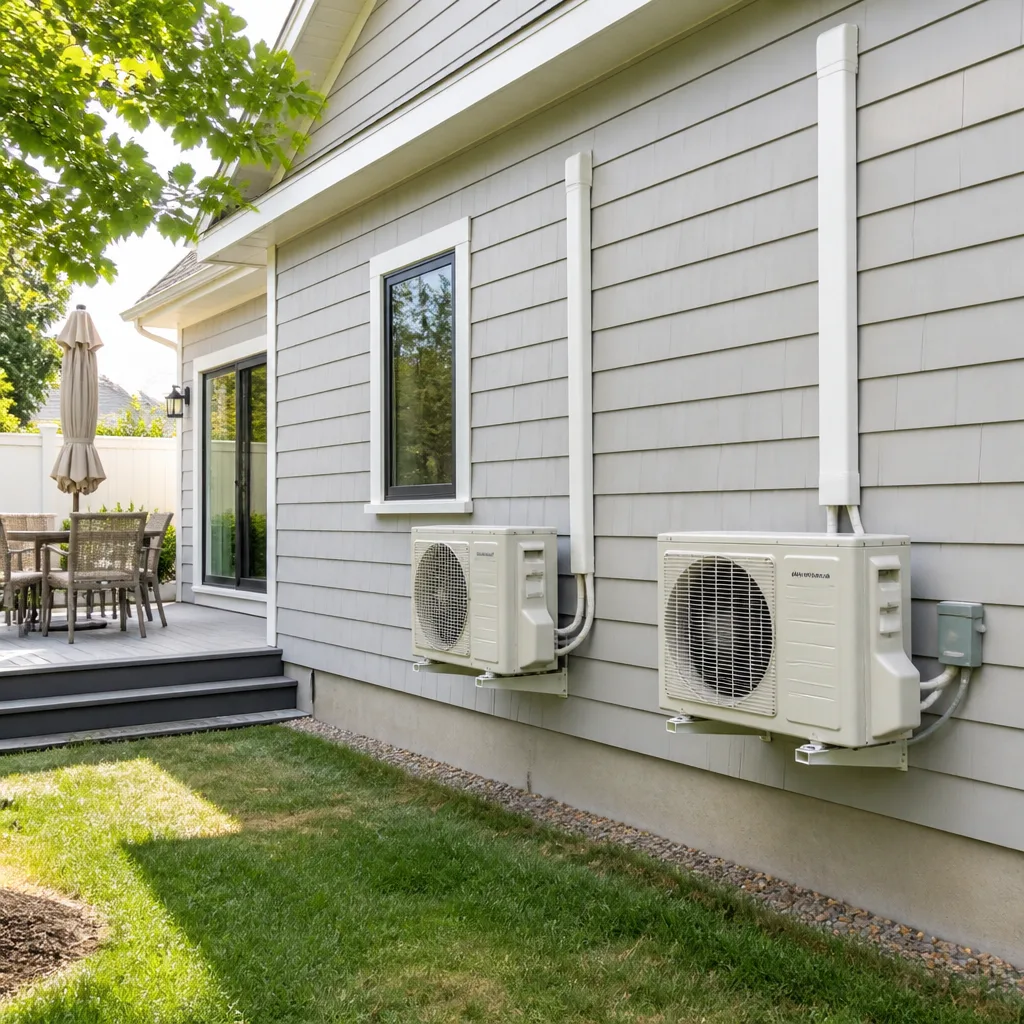 Ductless mini splits
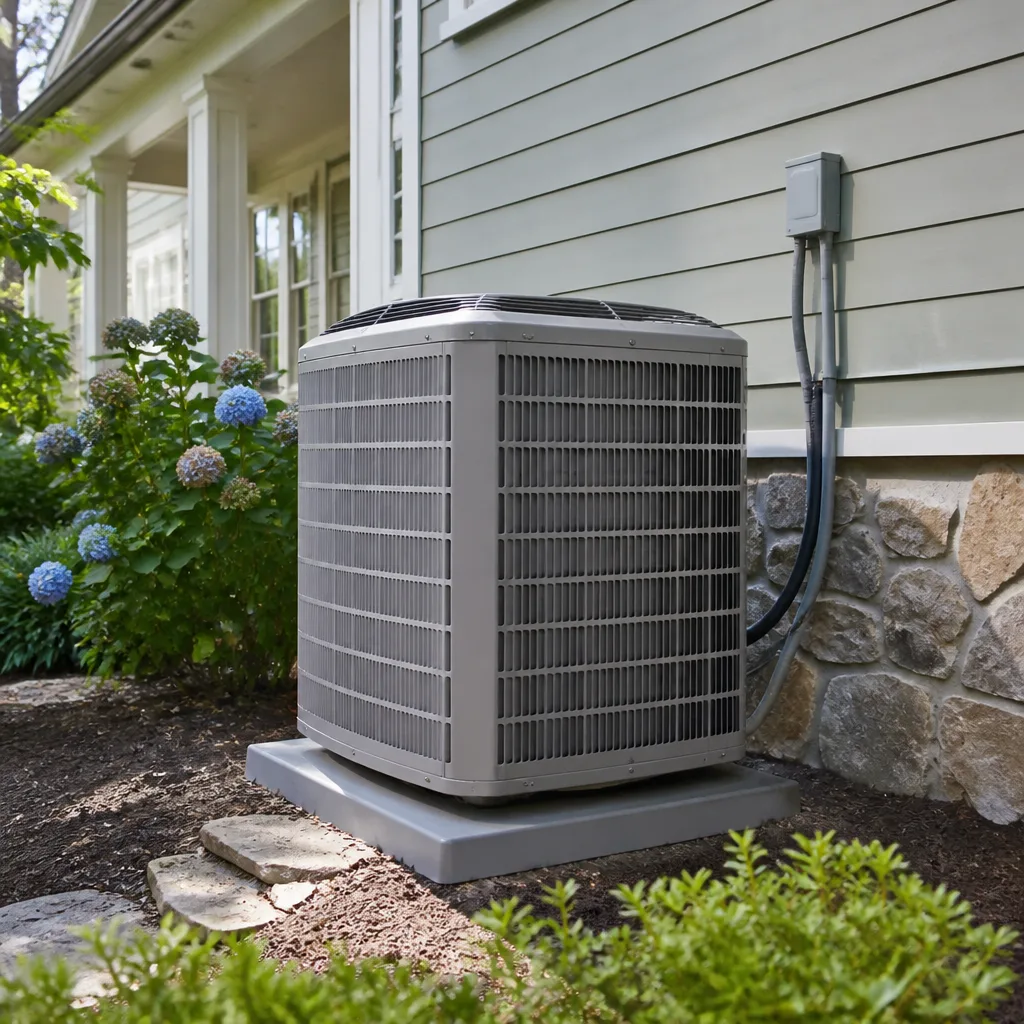 Carrier
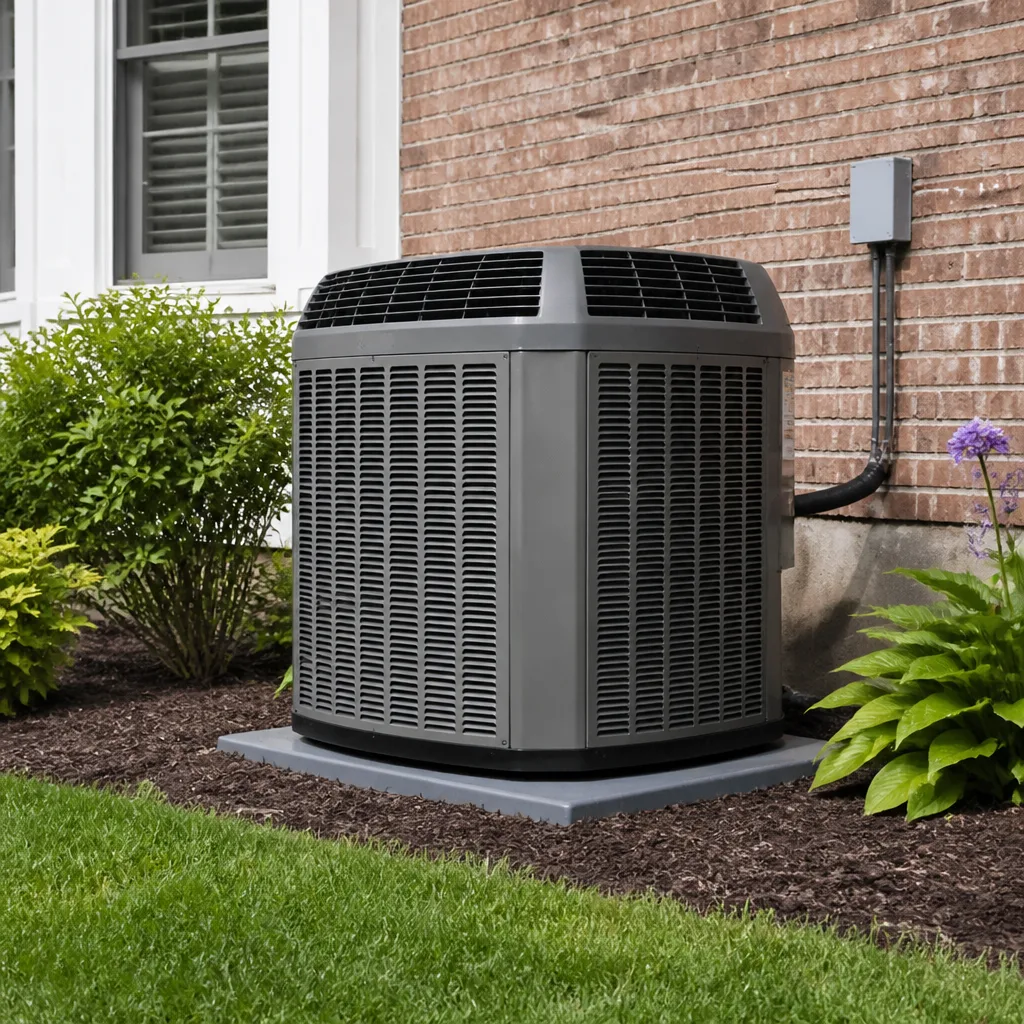 Trane
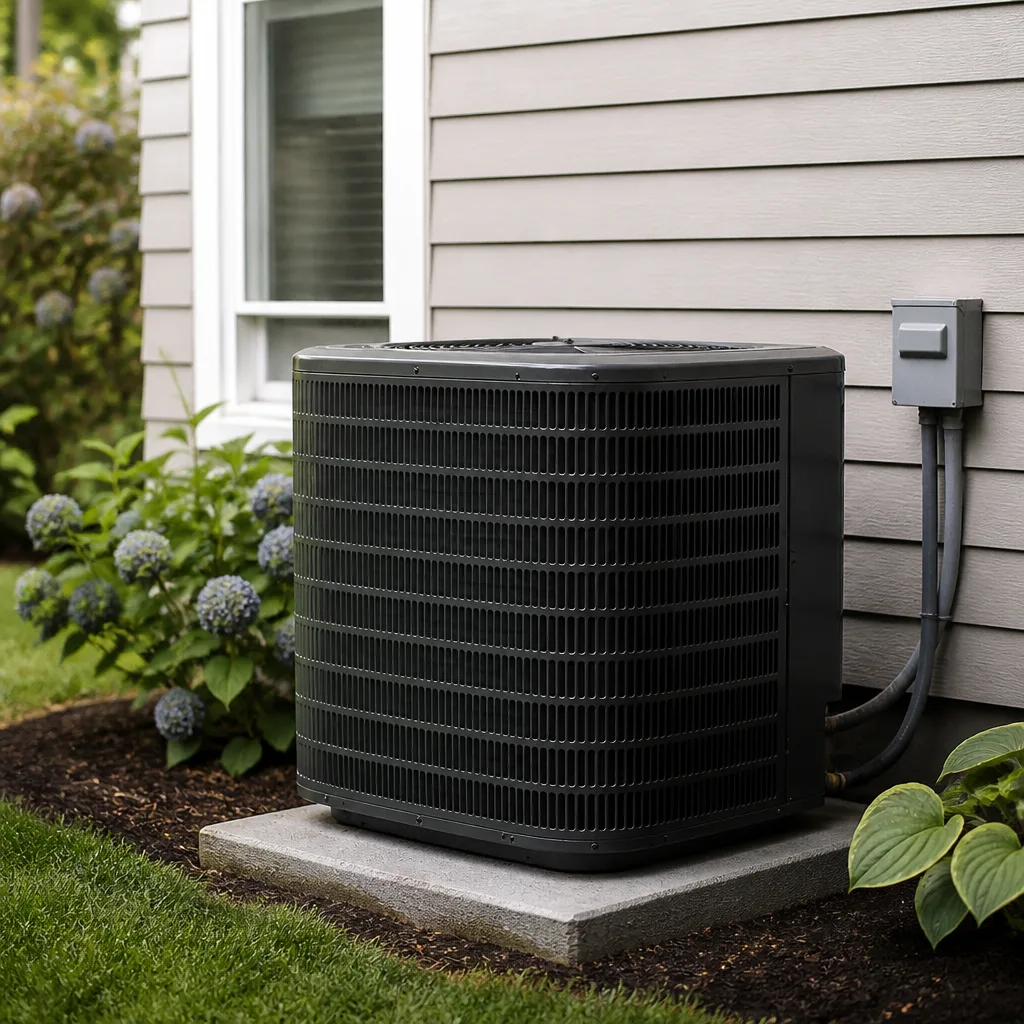 Goodman
Seasonal tune-up and full diagnostic on your Carrier, Trane, or Goodman system - readings shown to you before any repair is proposed
Diagnosis first, numbers second - you approve the repair price before a single part goes in.
Get your free estimateHVAC Cost Breakdown: The Pasadena Homeowner’s Reference for 2026
Here’s the part most cost guides skip: the national average for a 3-ton AC replacement is $5,000-$7,000, yet a comparable job in Pasadena, priced accurately for local labor, refrigerant handling, permit costs, and equipment built for Gulf Coast heat, typically runs $6,500-$9,500. That gap isn’t markup. It’s what the job actually requires here. Coastal-bend summers push equipment harder, attics trap brutal heat, and the permitting and licensing chain in Texas adds real overhead a national number can’t capture. In this guide we break down line-item costs for the three biggest jobs we see in Pasadena, explain why labor sits where it does across the 77501-77507 ZIP codes, and show you which line items are legitimately negotiable and which are fixed. You’ll finish knowing how to read a quote and spot the tricks that hide costs.
Quick Answer
In Pasadena, TX for 2026, a central AC replacement typically runs $6,500-$9,500 for a 3-ton system, a full system replacement (air handler plus condenser) runs $9,000-$14,000, and ductwork replacement or a major re-route runs $4,000-$9,000 depending on attic complexity. Equipment brand, SEER2 tier, and whether your attic has a shallow pitch drive most of the variance. The written estimate you receive on-site sets your final price, and it should itemize equipment, labor, permits, and refrigerant separately.
Styles & brands we work with
- AC repair
- Furnace & heating
- Heat pumps
- Ductless mini splits
- Carrier
- Trane
- Goodman
Table of Contents
- Why HVAC Costs in Pasadena Differ From National Averages
- The Three Most Common HVAC Jobs: Line-Item Cost Breakdown
- What Drives Labor Costs in Pasadena Specifically
- SEER2 15 vs SEER2 18: The 10-Year Cost Difference
- What’s Negotiable and What Isn’t on a Quote
- How to Read a Quote and Spot Cost-Hiding
- Common Mistakes to Avoid
- When to Call a Professional
Why HVAC Costs in Pasadena Differ From National Averages
National HVAC cost data is compiled from jobs all over the country, then averaged into a single number. That number doesn’t know anything about Pasadena. It doesn’t know your attic hits 140 degrees in July. It doesn’t know the housing stock here includes a lot of older single-story homes with low-slope roofs and tight attic clearances. It doesn’t account for the licensing and permit overhead Texas contractors carry. When Pasadena homeowners compare a national average to a real local quote and feel sticker shock, the average is usually what’s wrong, not the quote.
Four things push cost in Pasadena above the national midpoint:
- Climate load. Cooling season here is long and humid. Equipment is undersized or right-sized for these conditions, never deliberately oversized, because oversizing hurts humidity control. Right-sizing takes a proper load calculation, which takes time.
- Attic difficulty. A large share of Pasadena homes have shallow roof pitches and attic spaces that are low, hot, and awkward to work in. An attic install that takes a crew an easy day in a taller space can take significantly longer here. That difficulty shows up in labor, and honest quotes reflect it.
- Licensing and permit overhead. Texas requires HVAC work to be performed under a TDLR-licensed contractor, and most Pasadena-area permitting involves fees and inspection. Those costs are real and shouldn’t be missing from a quote.
- Refrigerant handling. Current refrigerants carry recovery, handling, and disposal costs. A quote that lists refrigerant as a single vague number is telling you something.
If you want the local context on how all of this plays out across the area, our Pasadena page covers the neighborhoods and housing types we work in, from older bungalows near the ship channel corridor to newer builds further south.
The Three Most Common HVAC Jobs: Line-Item Cost Breakdown
Most of what Pasadena homeowners actually spend money on falls into three categories. Here’s what each job typically looks like, line by line, for 2026. Every number below is an estimate range. Your written estimate is the binding price.
1. Central AC Replacement (Condenser Only)
This is the most common job we quote. You’re replacing the outdoor condenser and matching it to an existing, still-functional air handler and coil. On a 3-ton system:
- Condenser equipment: $2,800-$4,500 (varies sharply by brand and SEER2 tier)
- Matching coil (if needed): $600-$1,100
- Labor and refrigerant charge: $1,500-$2,400
- Permit: $150-$350
- Line set flush or replacement: $200-$600
- Thermostat (basic or smart): $100-$400
Typical total: $6,500-$9,500. The big swing here is equipment brand and efficiency tier. A Goodman or Rheem unit at a lower SEER2 tier prices differently than a Trane or Lennox at the top end, and we’re authorized on all of them, so we can quote what fits your situation rather than steering you toward one brand.
2. Full System Replacement (Air Handler Plus Condenser)
When the indoor air handler and coil are aging out alongside the condenser, replacing both at once is usually the right call. Mixing new outdoor equipment with a tired indoor unit shortens the life of both.
- Condenser: $2,800-$4,500
- Air handler or furnace: $1,800-$3,500
- Coil: $600-$1,100
- Labor and refrigerant: $1,900-$2,900
- Permit: $150-$350
- Electrical and disconnect work: $200-$600
- Plenum and transition fabrication: $300-$700
Typical total: $9,000-$14,000. If your heating side is a gas furnace that’s still solid, we may recommend a matched evaporator coil only and leave the furnace alone. Heating or cooling, we handle both, so there’s no hand-off to a second contractor when the seasons flip. Full detail on the replacement process lives on our AC installation page.
3. Ductwork Replacement or Re-Route
Pasadena’s older attics often carry duct systems that have been patched, crushed, or run through spaces that no longer make sense. Replacing or re-routing ductwork is priced by run and by how bad the access is.
- Sealed flex duct replacement to registers (typical single-story): $2,500-$5,500
- Trunk line and plenum rebuild: $1,200-$2,400
- Register and grille replacement: $50-$150 each
- Attic duct re-route around obstructions: $800-$2,000
Typical total: $4,000-$9,000. Ductwork rarely fails alone; it’s usually discovered mid-replacement. Ask upfront whether the quote includes a duct inspection or treats your ducts as assumed-fine.
What Drives Labor Costs in Pasadena Specifically
Labor is the line item homeowners ask about most, and it’s the one that varies least between honest local quotes. Here’s why labor costs what it does in this market.
Licensing overhead. HVAC work in Texas requires a TDLR-licensed contractor and licensed technicians. That licensing standard is not free to maintain, and contractors who carry it charge accordingly. When a quote comes in dramatically below the local range, licensing is the first thing to verify, because unlicensed work voids equipment warranties and can fail an inspection down the line.
Permit and inspection costs. Pasadena-area permitting adds a fixed cost to every replacement. It’s non-negotiable, and if it’s not on your quote, ask why. A quote without a permit line is either passing that cost to you later or planning to skip the permit and inspection, and both scenarios end up costing you.
The attic difficulty premium. Pasadena’s shallow-pitch roofs mean a lot of attics are low and hot, with limited room to maneuver. A crew doing a furnace swap or air handler replacement in a tight attic works harder, longer, and more carefully than one in a taller space. That isn’t padding. It’s the job.
Crew quality. Our technicians have up to 9 years of experience, and we staff for capability, not for the lowest hourly rate. The Paragon standard means work done correctly the first time rather than patched and revisited, and that standard is baked into how we price labor. Call (866) 982-5097 for a free estimate and we’ll walk through the labor line on your job in plain terms.
SEER2 15 vs SEER2 18: The 10-Year Cost Difference
The efficiency decision confuses a lot of homeowners because the math isn’t obvious at the point of sale. Here’s the framework. SEER2 measures cooling efficiency, and a higher number means the system uses less electricity to deliver the same cooling. The question is whether the upfront premium for SEER2 18 equipment pays back over the life of the unit at Pasadena’s utility rates.
Following the general arithmetic:
- Take the SEER2 15 base scenario. It runs at baseline efficiency, and in a Pasadena cooling season, the annual electricity cost for cooling is the largest part of your total HVAC cost.
- Take SEER2 18. Its higher rating means roughly 15-20% less electricity for the same cooling output, all else equal.
- Multiply that percentage by your annual cooling electricity cost. That’s roughly your annual savings.
- Multiply by 10 years for a horizon view. Ignore anything beyond 10 years, because that’s already a long equipment life.
The cost premium for SEER2 18 over SEER2 15 is often in the $800-$1,800 range depending on brand and tonnage. Whether the upgrade pays back within 10 years depends heavily on your usage and your utility rate. If you run the system hard through a long cooling season, the payback is realistic. If you’re a lighter user or your home is already well-sealed and shaded, the base tier can be the smarter financial decision. Either way, the choice should be yours and it should be informed by real numbers, not a sales pitch. Daikin, Rheem, and Goodman all offer solid SEER2 15 equipment, and the top tier isn’t automatically the right buy.
What’s Negotiable and What Isn’t on a Quote
Plenty of homeowners assume everything on an HVAC quote is a starting point for haggling. Some of it is. Some of it isn’t, and pretending otherwise is how people get talked into things they didn’t need. Here’s the honest split.
Legitimately negotiable:
- Equipment brand. This is the biggest single lever. A Goodman or Rheem system and a Trane or Lennox system at the same SEER2 tier can price several hundred dollars apart. We’re authorized to service and install across nine leading brands, so the brand is your choice, not ours.
- Warranty tier. Standard manufacturer coverage and extended coverage are often priced separately. Extended coverage has real value on a system you plan to keep a long time; on an older home you may sell in a few years, it may not.
- Thermostat upgrades. A smart thermostat is a real upgrade but a genuinely negotiable line. A basic programmable unit is fine for plenty of homes.
- Equipment tier within a brand. Every manufacturer makes a base model and an upgraded one. Ask specifically what you’re getting at each price point.
Not really negotiable:
- Permit and inspection. Fixed cost. Skipping it isn’t a discount, it’s a problem waiting to surface at resale or the next inspection.
- Refrigerant. The refrigerant volume is determined by the system capacity and line set length. You can’t negotiate your way to less refrigerant.
- Labor minimum. A crew’s day costs what it costs. A bargain labor line usually means a bargain crew.
- Load calculation. Right-sizing isn’t optional. An oversized system runs inefficiently and struggles with humidity, which matters in Palm Beach-adjacent humidity, and in Pasadena’s too.
If a quote is aggressively low on equipment, labor, or both, the missing item is usually the one you’ll have to pay for later.
How to Read a Quote and Spot Cost-Hiding
Most HVAC cost disputes start with a quote that hid something, not with a contractor who openly charged more. Two techniques show up more than any other. Here’s how to spot both.
Technique one: low-ball equipment specs. The quote names a brand but not a model. Or it names a model that’s a lower SEER2 tier than what was discussed in the sales conversation. Or it lists “equipment” as a single line without breaking out condenser, coil, and air handler. When the crew arrives with a lower-tier unit than you believed you were buying, you’re stuck. The fix is simple: require the quote to list exact model numbers and SEER2 ratings before you sign. Compare those model numbers against the manufacturer’s spec sheet online. If the model isn’t clear, ask until it is.
Technique two: missing permit line. A quote without a permit line isn’t cheaper, it’s either planning to skip the permit or planning to bill you for it once the work is underway. Either way, ask the question directly: “Does this price include the permit and inspection?” If the answer is no, add the expected permit cost mentally before comparing quotes, or you’re not comparing apples to apples.
Other signs of a quote worth flagging:
- No written scope, just a total price
- No refrigerant line detail
- No mention of haul-away of the old equipment
- A warranty term less specific than “manufacturer warranty”
- No line for the existing line set, plenum, or ductwork condition
A quote from Paragon AC Repair itemizes each of these, and we’re happy to walk you through every line. That’s the Paragon standard: clarity at the point of sale so nothing surfaces later.
Common Mistakes to Avoid
- Comparing totals instead of scopes. Two quotes for $8,500 can be completely different jobs if one includes a permit and a new coil and the other doesn’t. Read the scope, not the bottom line, side by side. You’ll often find the cheaper quote isn’t cheaper at all once you add what it left out.
- Choosing SEER2 18 on autopilot. The higher efficiency tier isn’t automatically the right call for every Pasadena home. If your usage is modest or your home is heavily shaded, the payback on the premium can be longer than the equipment will last. Run the arithmetic before you upgrade.
- Accepting a quote without model numbers. A quote that says “3-ton condenser, brand to be determined” isn’t a quote, it’s an opening offer. In Pasadena’s competitive contractor market, a vague quote is more likely to expand than shrink. Write it into the contract that the exact model numbers are specified.
- Skipping the duct inspection at replacement time. If the attic space is already open and the crew is there, a duct inspection costs far less than a second crew visit later. A quote without a duct line leaves you guessing about a system you’re about to pay to cool.
- Assuming the labor line is padding. In Pasadena, licensed labor, attic difficulty, and permit compliance are real costs. A quote that undercuts the local labor range is usually a quote that undercuts the crew quality or the licensing standard.
- Forgetting to check the thermostat and line set. A simple thermostat swap costs a fraction of what a line set replacement costs. If your existing line set is the right size and in decent shape, flushing and reusing saves money. If it isn’t, plan for the cost.
- Letting the warranty term go unstated. Ask for the labor warranty and the parts warranty in writing and in years. Manufacturer parts warranties vary; labor warranties are offered by the installing contractor. Both matter when a part fails early.
When to Call a Professional
Some HVAC issues are genuinely DIY territory: a tripped breaker, a filter you forgot to change, a thermostat set to the wrong mode. Others aren’t. Call a licensed professional when the system is blowing warm air on a hot day, when you hear grinding or see ice on the refrigerant lines, when your electric bill jumps noticeably with no usage change, when the system short-cycles repeatedly, or when an aging unit starts needing repair every season. Gas heating issues, refrigerant work, and any electrical work inside the equipment are all areas where DIY effort is either illegal or genuinely dangerous, so leave those to licensed technicians. Paragon AC Repair offers free estimates in Pasadena. For an AC concern, our AC installation page has detail on replacement. For heating, see furnace repair. Call (866) 982-5097. We answer 24/7. Fast dispatch from 7am to 7pm, Sunday through Friday.
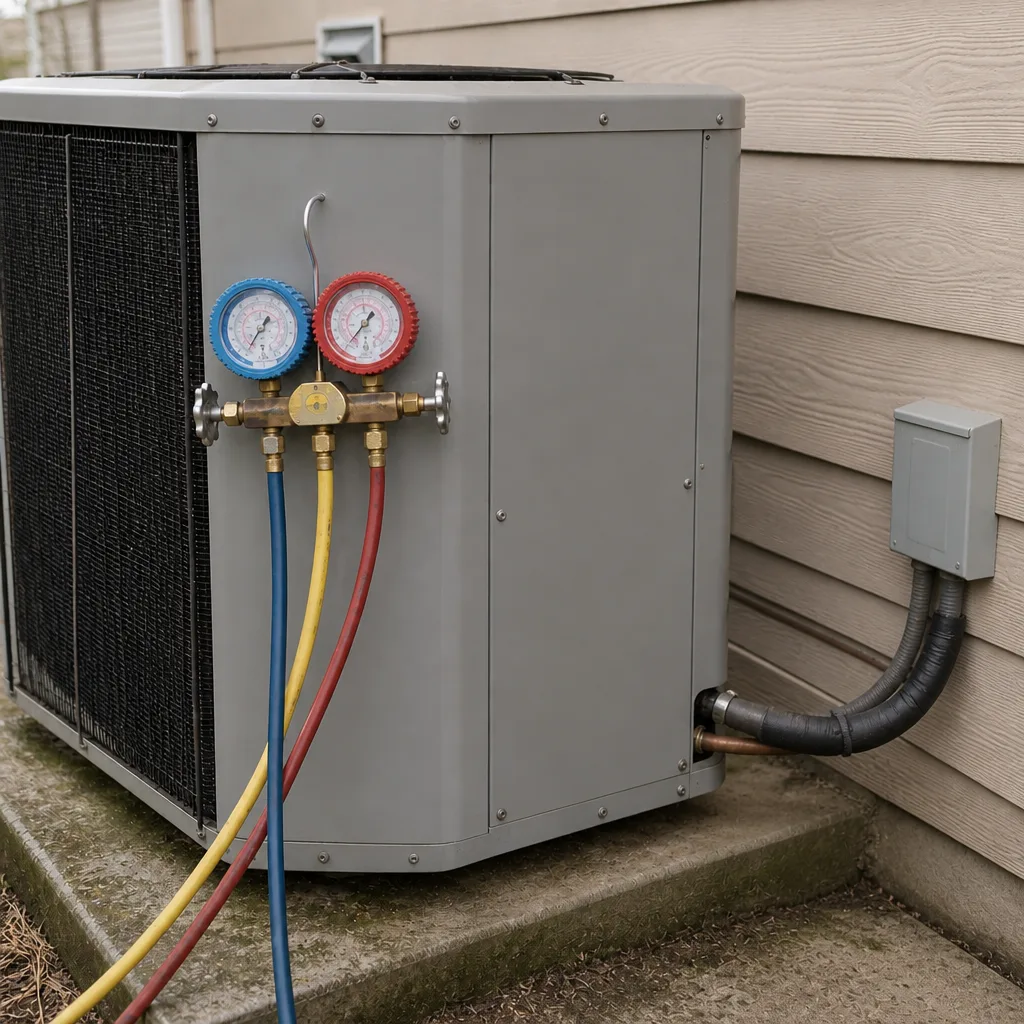
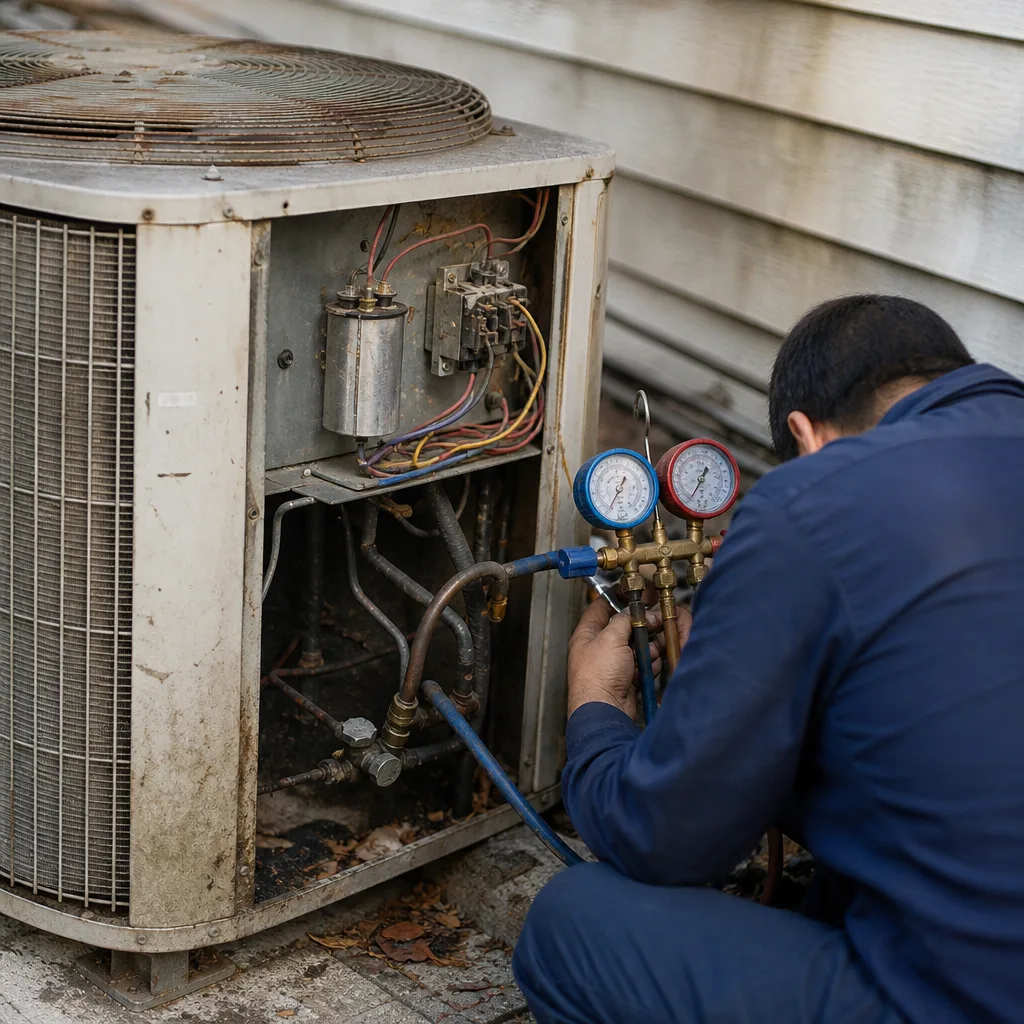
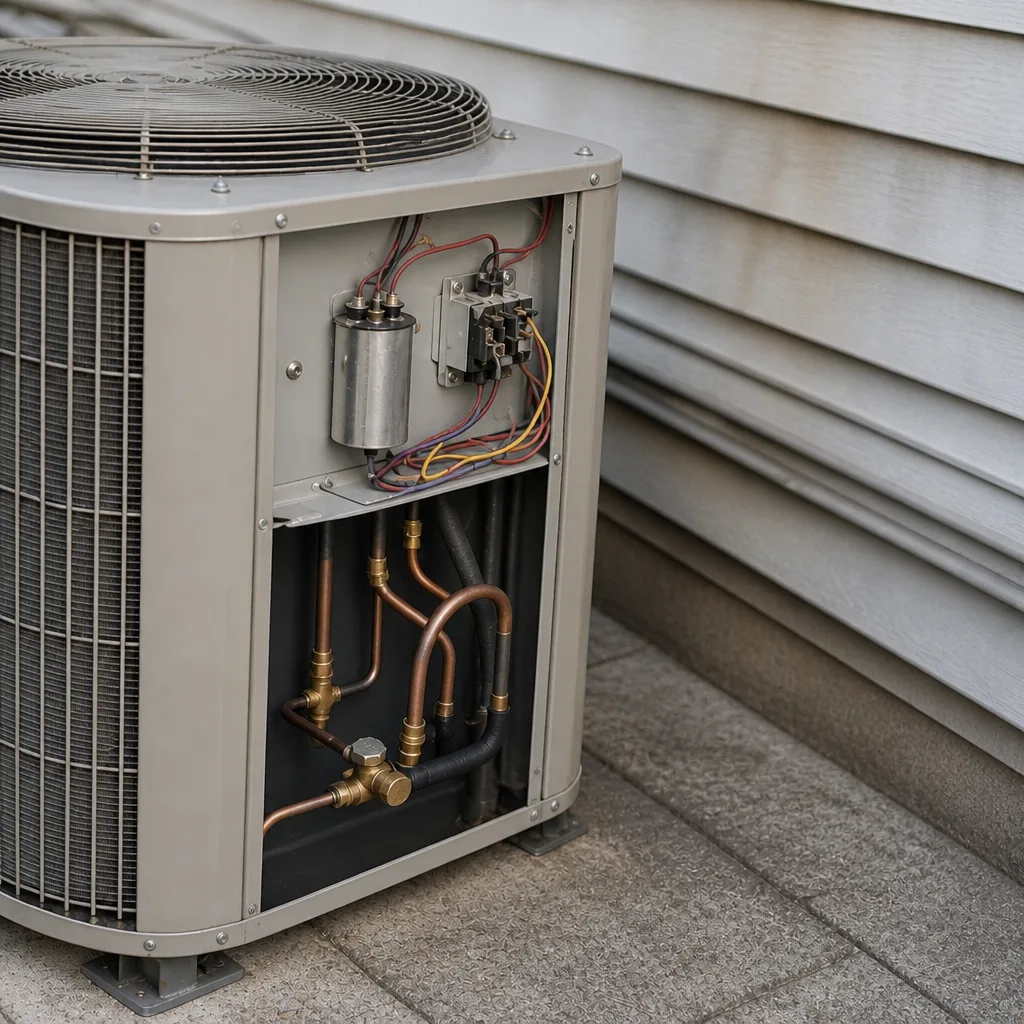
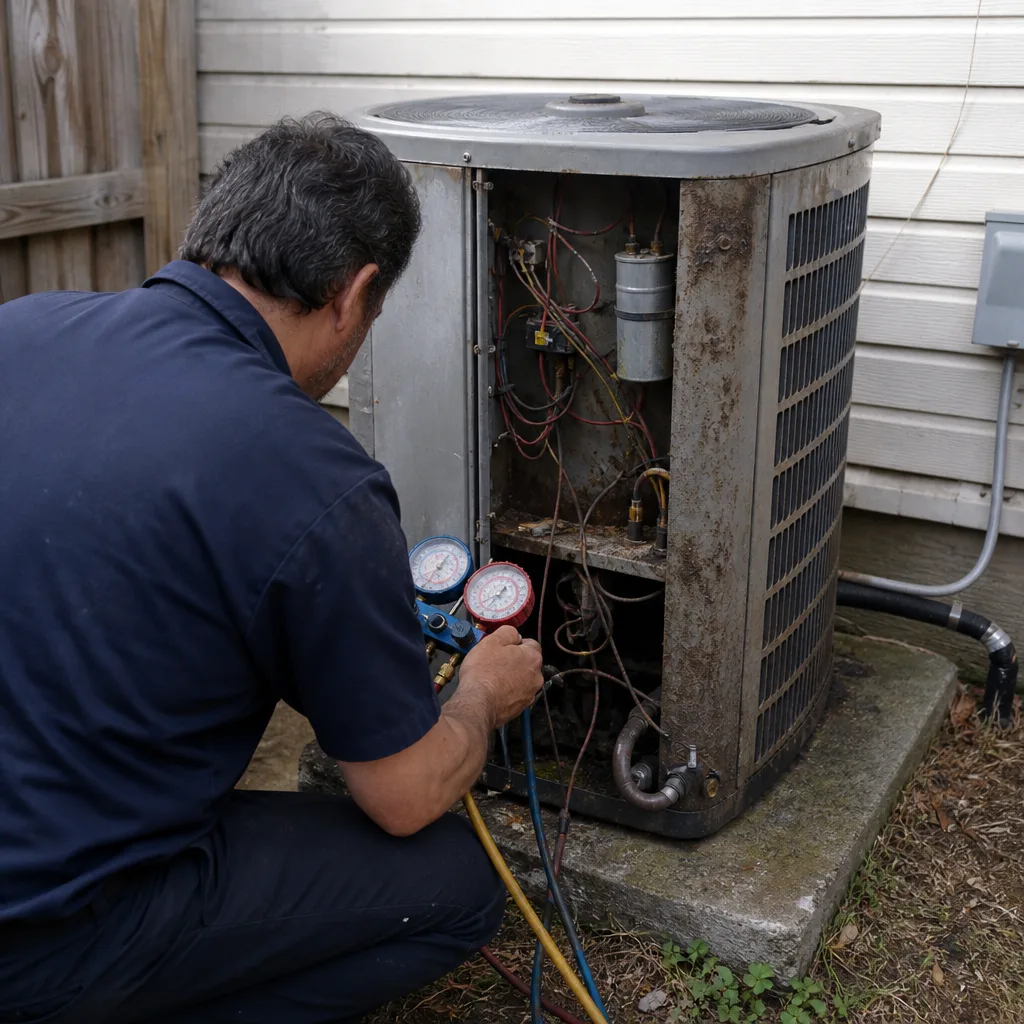
See the difference
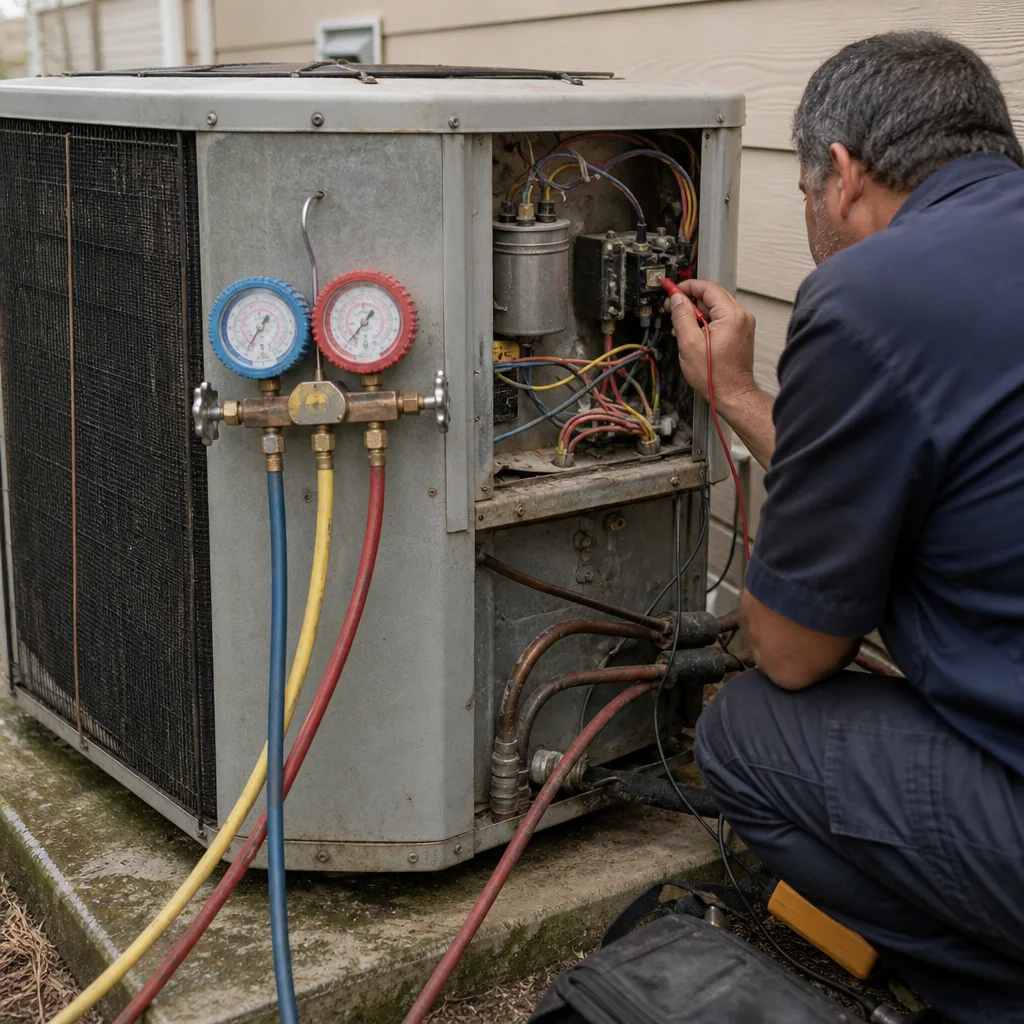 Before
 After
 Before
 After
 Before
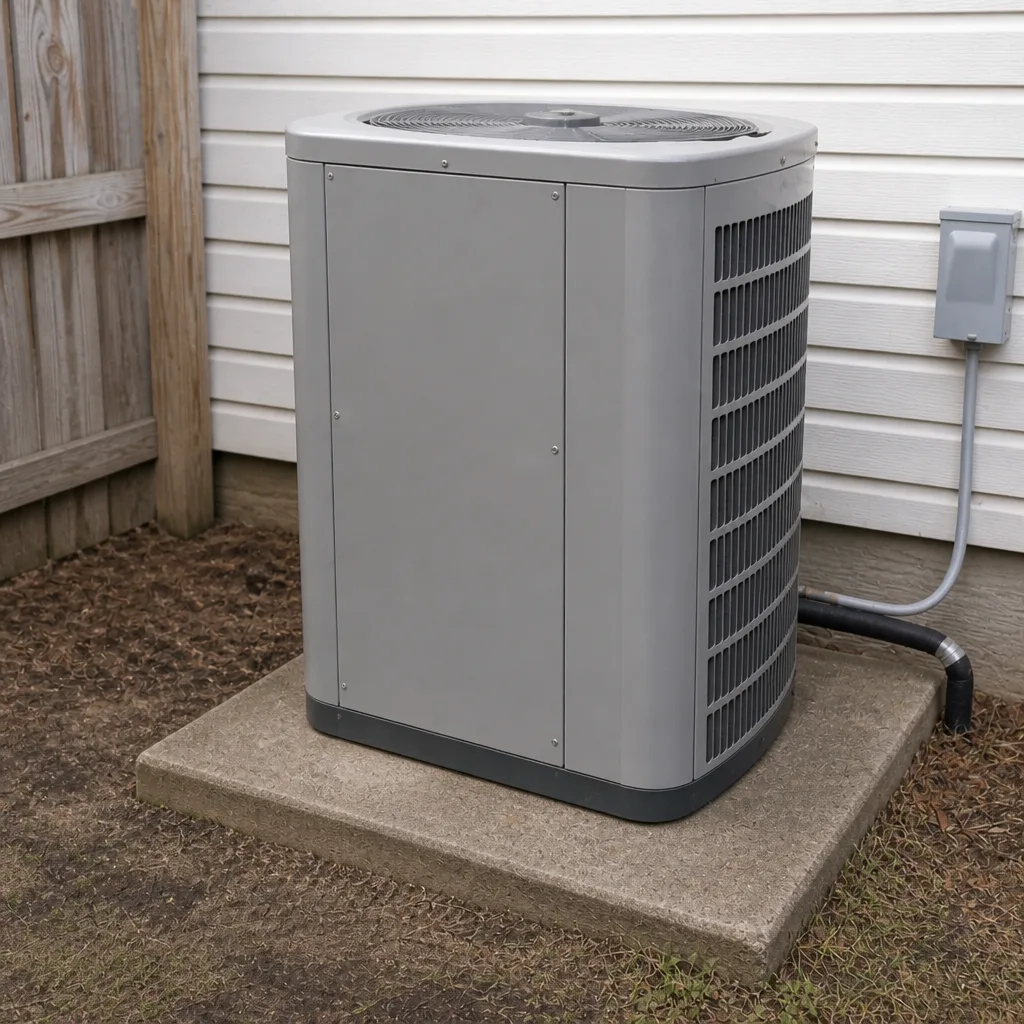 After
Frequently Asked Questions
A 3-ton central AC replacement in Pasadena typically runs $6,500-$9,500 in 2026, including condenser, matching coil if needed, labor, refrigerant, and permit. Full system replacement (air handler plus condenser) usually runs $9,000-$14,000. The written estimate on-site sets your exact price, since equipment tier, brand, and attic difficulty all move the total. Call (866) 982-5097 for a free estimate; we’ll itemize every line.
National averages don’t account for Texas licensing overhead, Pasadena-area permit fees, the difficulty of attic work in homes with shallow roof pitches, or the refrigerant handling costs current systems require. When those are added honestly, the total lands above the national midpoint. A quote that undercuts this range usually leaves something out. Ask what’s missing before you sign.
It depends on your usage and utility rate. SEER2 18 uses roughly 15-20% less electricity than SEER2 15 for the same cooling, which adds up over 10 years in a long cooling season. The upfront premium is often $800-$1,800. For heavy users it pays back; for light users it may not. We quote both and let you decide. Call (866) 982-5097 to talk through the numbers.
They should be, and most Pasadena-area replacements do require a permit and inspection. If the permit line is missing from a quote, ask directly whether the price includes it. A quote that plans to skip the permit can create warranty and inspection problems later. Our written estimates list the permit separately so you can see exactly what you’re paying for.
Yes, on certain items. Equipment brand, warranty tier, thermostat choice, and equipment tier within a brand are legitimately negotiable. Permit costs, refrigerant volume, and labor minimums are not. We quote multiple brand options so you can choose the price point that fits. Ask about the brands we’re authorized on: Carrier, Trane, Lennox, Goodman, Rheem, York, Daikin, Bryant, and American Standard.
The two easiest tells are missing model numbers and a missing permit line. A quote that names a brand but not a specific model and SEER2 rating gives a contractor room to install lower-tier equipment than you expected. A quote without a permit line is either skipping the permit or planning to bill you later. Require both before you sign. Call (866) 982-5097 for a quote that itemizes equipment, labor, refrigerant, and permit clearly.
The Bottom Line
Pasadena HVAC costs are higher than national averages for real, explicable reasons: licensing overhead, permits, attic difficulty, and Gulf Coast climate load. The three jobs that eat most of a homeowner’s budget are condenser replacement ($6,500-$9,500), full system replacement ($9,000-$14,000), and ductwork ($4,000-$9,000). SEER2 18 is worth it for heavy users and not for light ones. Brand, warranty tier, and thermostat are negotiable; permit, refrigerant, and labor minimums are not. Read the scope line by line, require model numbers, and confirm the permit line. The written estimate sets the final price, always. If you want a quote that shows every line, Paragon AC Repair offers free estimates in Pasadena. Call (866) 982-5097. We answer 24/7. Fast dispatch from 7am to 7pm, Sunday through Friday. Heating or cooling, we handle both, and one contractor covers every season.
Written by the team at Paragon AC Repair.