
Last updated November 15, 2026
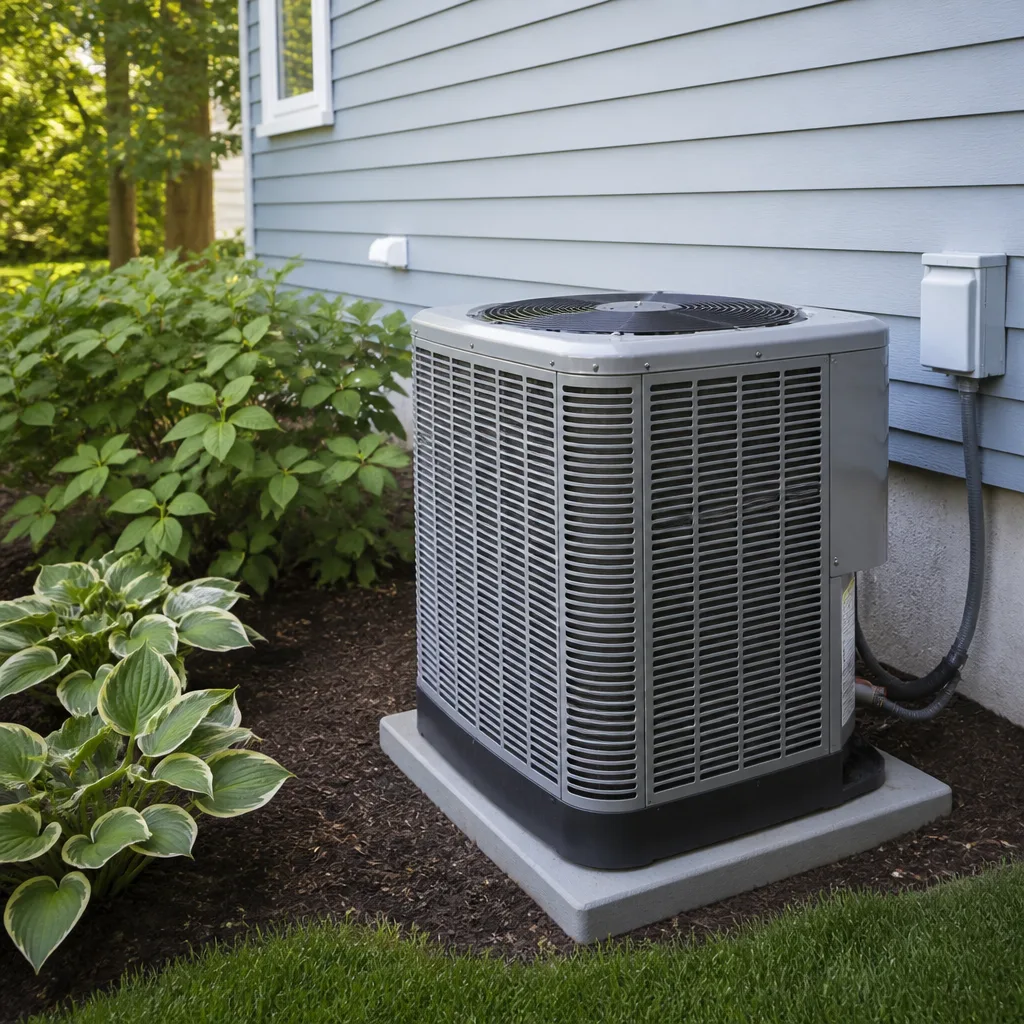 AC repair
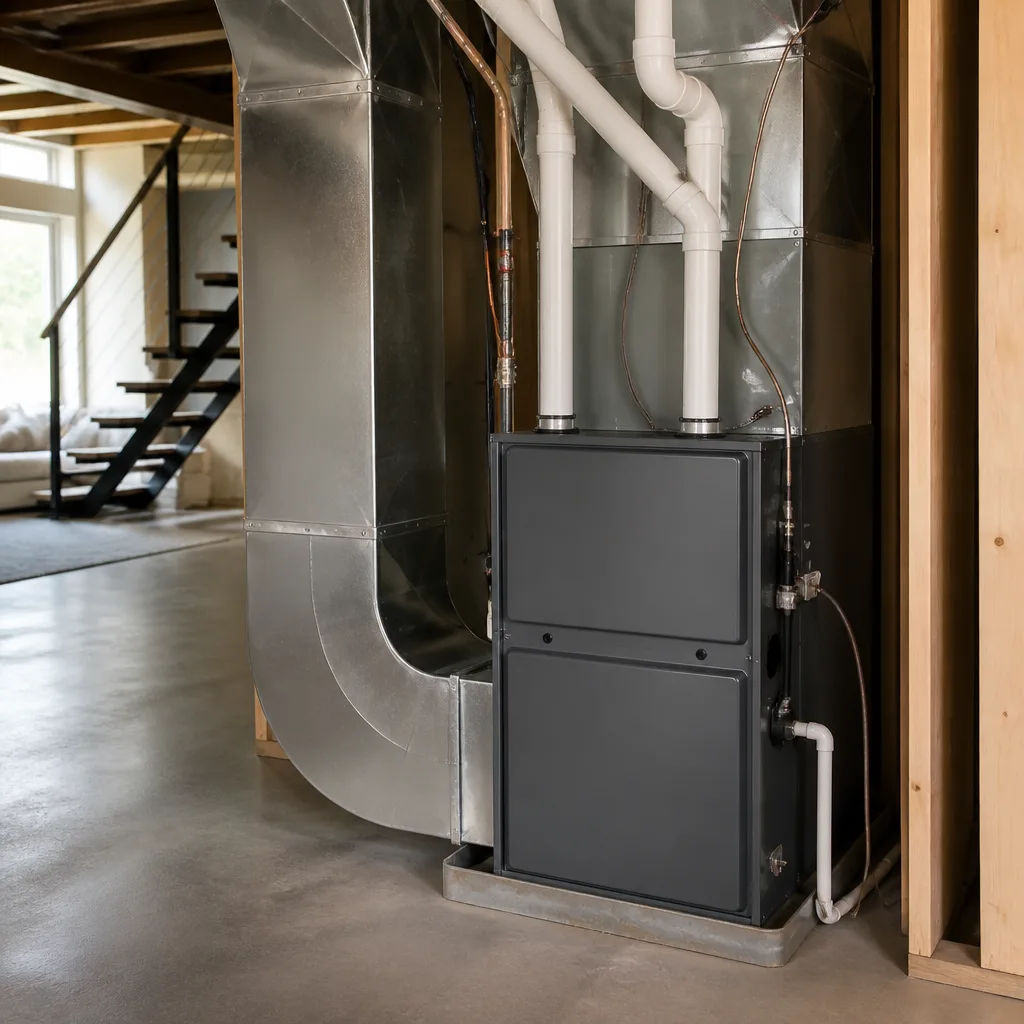 Furnace & heating
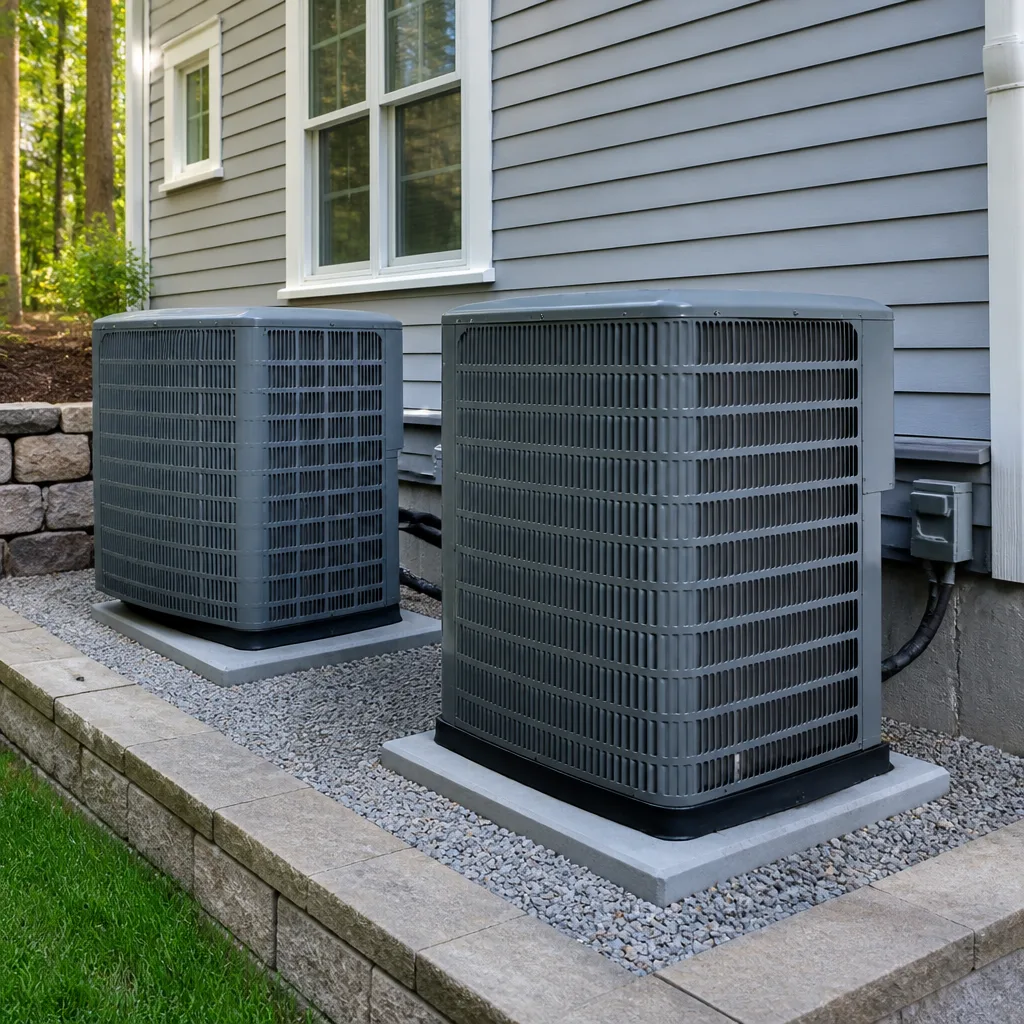 Heat pumps
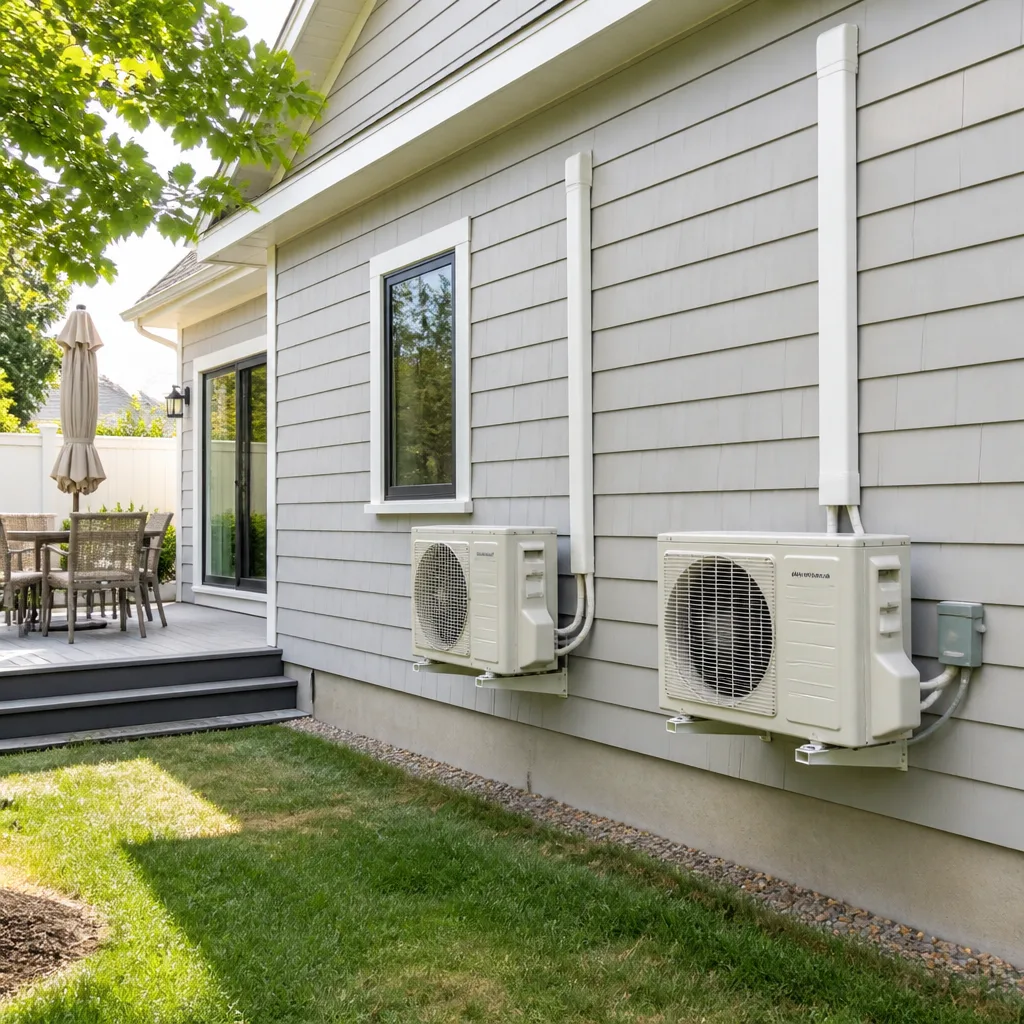 Ductless mini splits
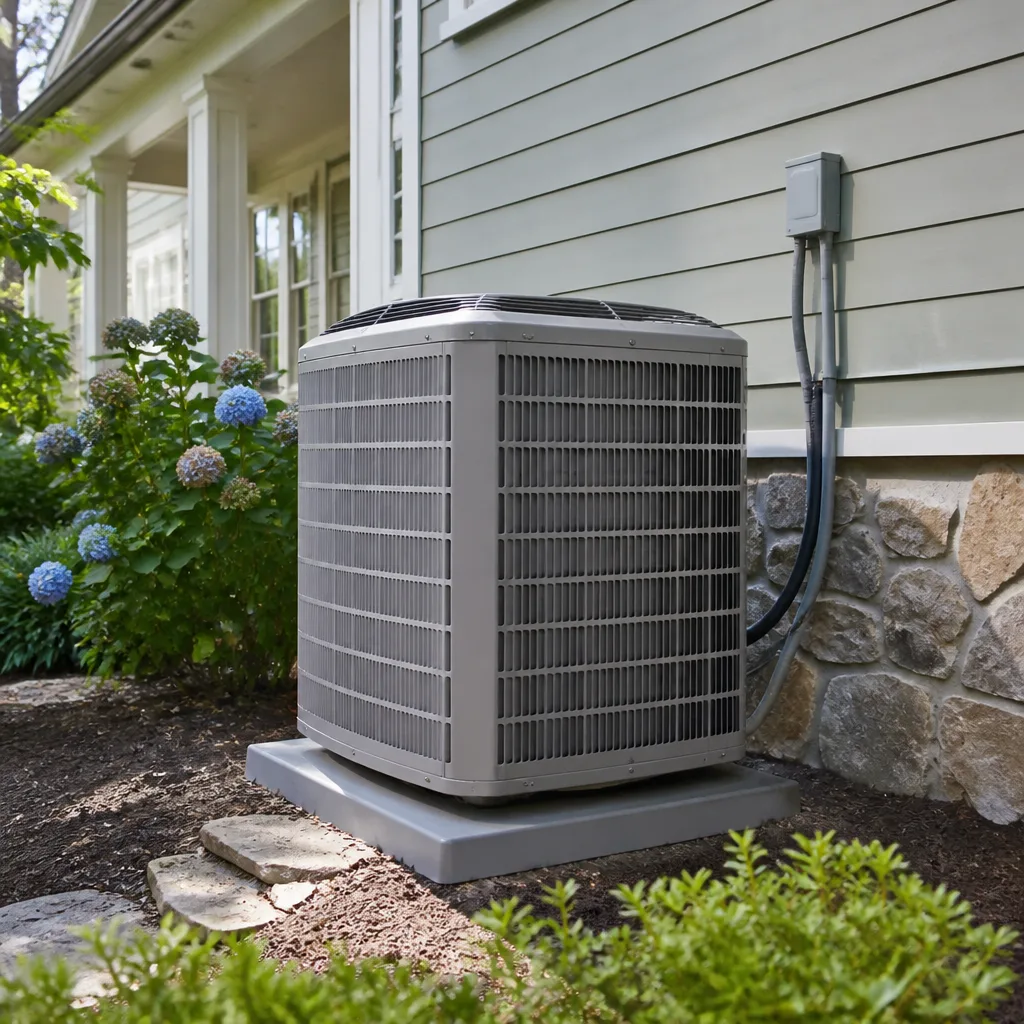 Carrier
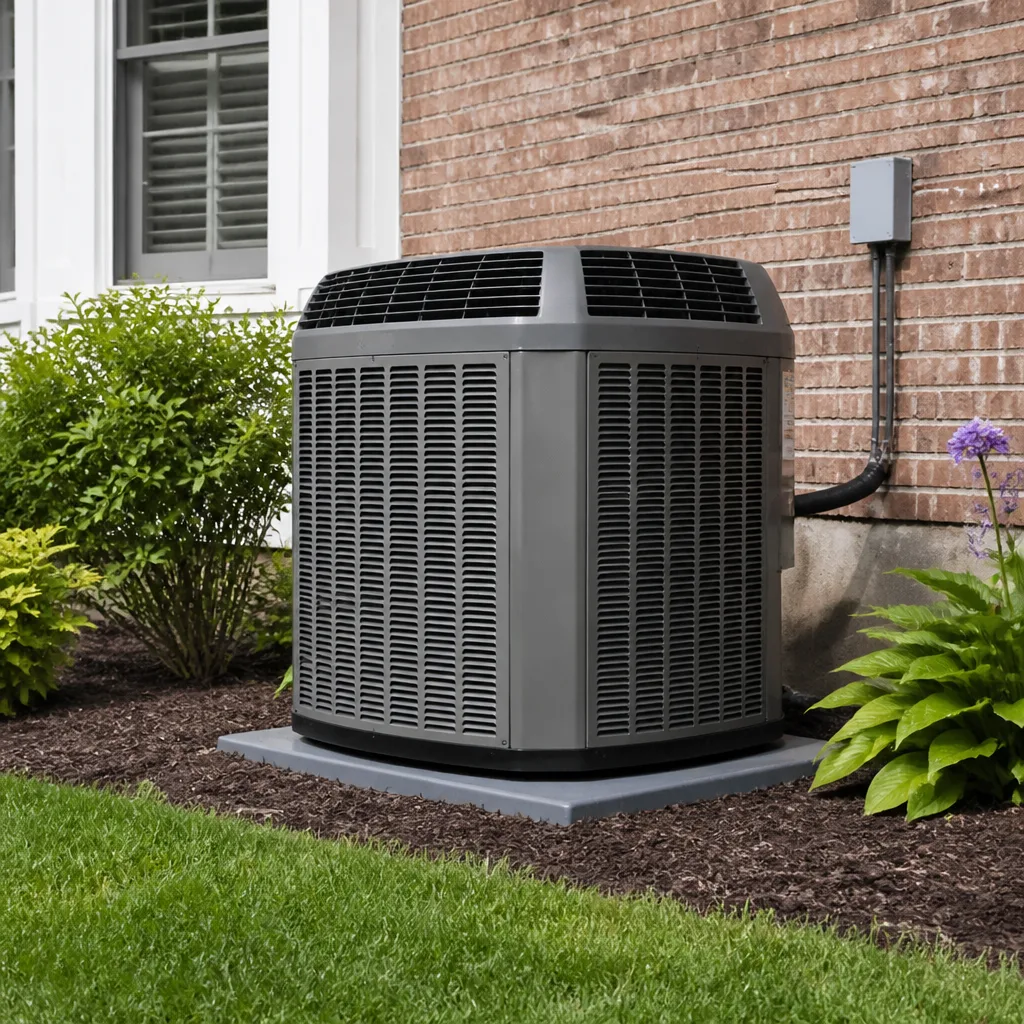 Trane
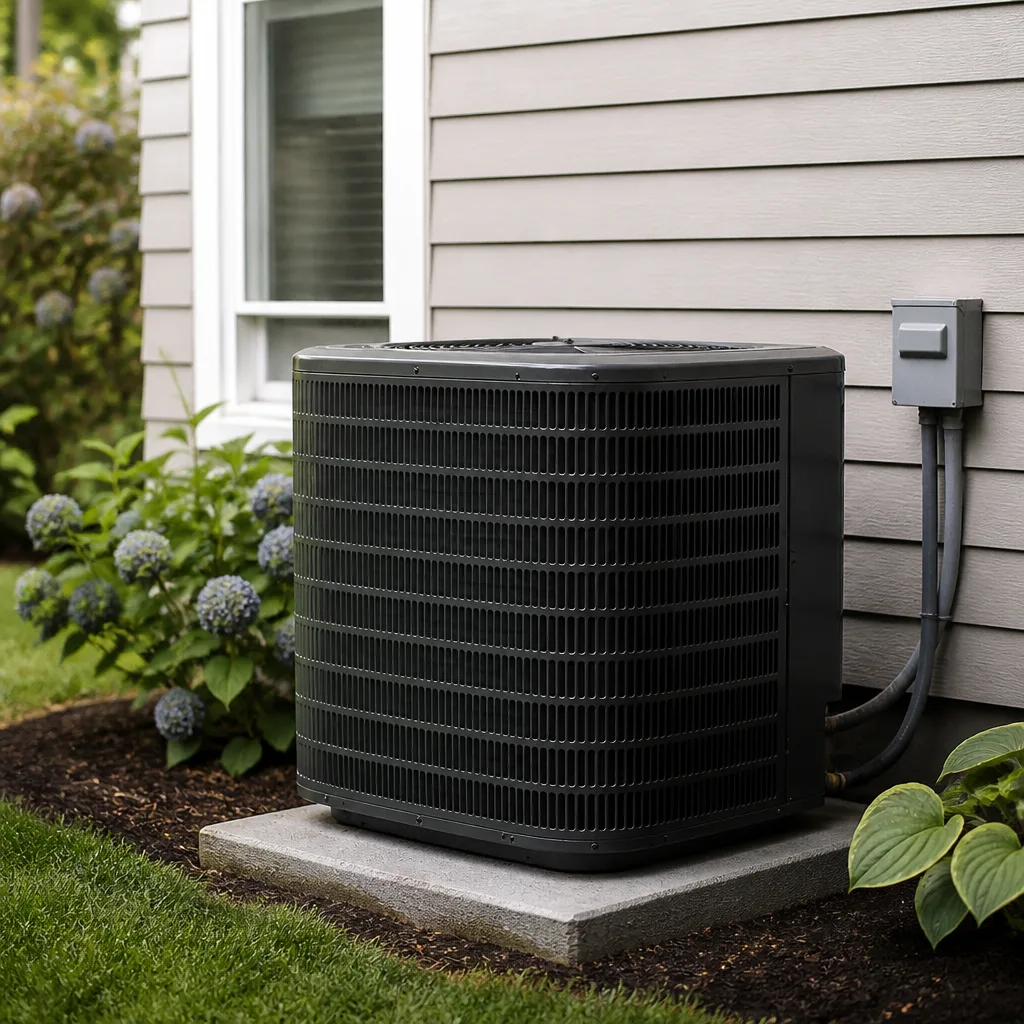 Goodman
Seasonal tune-up and full diagnostic on your Carrier, Trane, or Goodman system - readings shown to you before any repair is proposed
Diagnosis first, numbers second - you approve the repair price before a single part goes in.
Get your free estimateDIY vs Professional HVAC: The Pasadena Homeowner’s Decision Guide
Most homeowners frame the DIY-versus-professional question around money. Can I save a few hundred dollars by watching a video and handling this myself? That framing misses the bigger risk. For a large category of HVAC work, the real question isn’t whether you’re capable. It’s whether the task is legal for an unlicensed person to perform at all, and whether doing it yourself quietly voids a manufacturer warranty that protects equipment worth thousands to replace. In Texas, both of those concerns are real, and they show up far more often than a failed DIY repair does. This guide separates the tasks a Pasadena homeowner can safely handle from the ones that need a licensed technician, and explains why the line sits where it does.
Quick Answer
You can legally and safely change your air filter, swap a thermostat, rinse your outdoor coil, and flush the condensate drain line yourself in Pasadena. Anything involving refrigerant, electrical components beyond a thermostat, gas connections, or the sealed refrigerant circuit requires a licensed technician under Texas law, and DIY work on those parts commonly voids the manufacturer warranty. The dividing line is refrigerant and the electrical panel, not your confidence level.
Styles & brands we work with
- AC repair
- Furnace & heating
- Heat pumps
- Ductless mini splits
- Carrier
- Trane
- Goodman
Table of Contents
- Where Texas Draws the Legal Line
- What Pasadena Homeowners Can Legally Do Themselves
- How DIY Repairs Void Manufacturer Warranties
- Three DIY Tasks That Look Simple but Have a High Damage Rate
- Thermostats and Smart Thermostats: Worth Doing Yourself?
- Diagnostic DIY: Gathering Information Before You Call
- Why Pasadena’s Climate Raises the Stakes
- The Real Cost-Benefit of Hiring It Out
Where Texas Draws the Legal Line
The legal boundary in Texas HVAC work isn’t about whether a homeowner is mechanically capable. It’s about refrigerant and licensing. Under federal EPA rules, the Clean Air Act’s Section 608 program, it is illegal to purchase refrigerant or handle it without proper certification, and the law applies to homeowners as much as to contractors. Penalties run high, and they apply per day of violation. This is the single fact that reshapes the whole DIY debate. A YouTube video promising a cheap recharge arrives with no disclaimer about the federal statute behind the work.
On the Texas side, HVAC contracting is a licensed trade governed by the Texas Department of Licensing and Regulation (TDLR). The law defines what counts as HVAC contracting and who may perform it. Tasks that touch the sealed refrigerant circuit, the gas supply to a furnace, or the electrical service feeding the equipment generally fall on the licensed side of the line. Routine maintenance that a homeowner performs on their own home without touching those systems sits on the legal side.
This is where a lot of well-meaning Pasadena homeowners get into trouble. They assume “I’m just working on my own property, so the rules don’t apply to me.” For filter changes and thermostat swaps, that’s largely true. For anything that opens the refrigerant circuit or requires connecting a gauge manifold to add charge, it isn’t. The penalties are not theoretical, and a licensed contractor carries the certification and insurance that protect the homeowner from exposure.
If you’re ever unsure which side a task falls on, the safest move is to ask before you start. A quick call to a licensed HVAC company clarifies whether a job is legal to self-perform. If it isn’t, that’s not pushiness, it’s the law. Our technicians have up to 9 years of experience and can tell you plainly which tasks in your situation stay in your hands and which need to be handled by a professional.
What Pasadena Homeowners Can Legally Do Themselves
Plenty of the work that keeps an HVAC system running lives entirely in the homeowner’s hands. These four tasks are legal, safe, and genuinely useful. They also happen to be the ones that save the most money over time, because they prevent the failures that lead to expensive repairs.
- Air filter changes. The single highest-value DIY task. A clogged filter strains the blower and drives up energy use. During Pasadena’s long cooling season, check monthly and change when the filter looks loaded with dust. A pleated MERV 8 to MERV 11 filter is a sensible range for most homes.
- Thermostat replacement. Swapping a basic thermostat for a like-for-like model, or upgrading to a smart thermostat on straightforward low-voltage wiring, is legal and doable for the patient homeowner. The wiring section below explains when the job stops being simple.
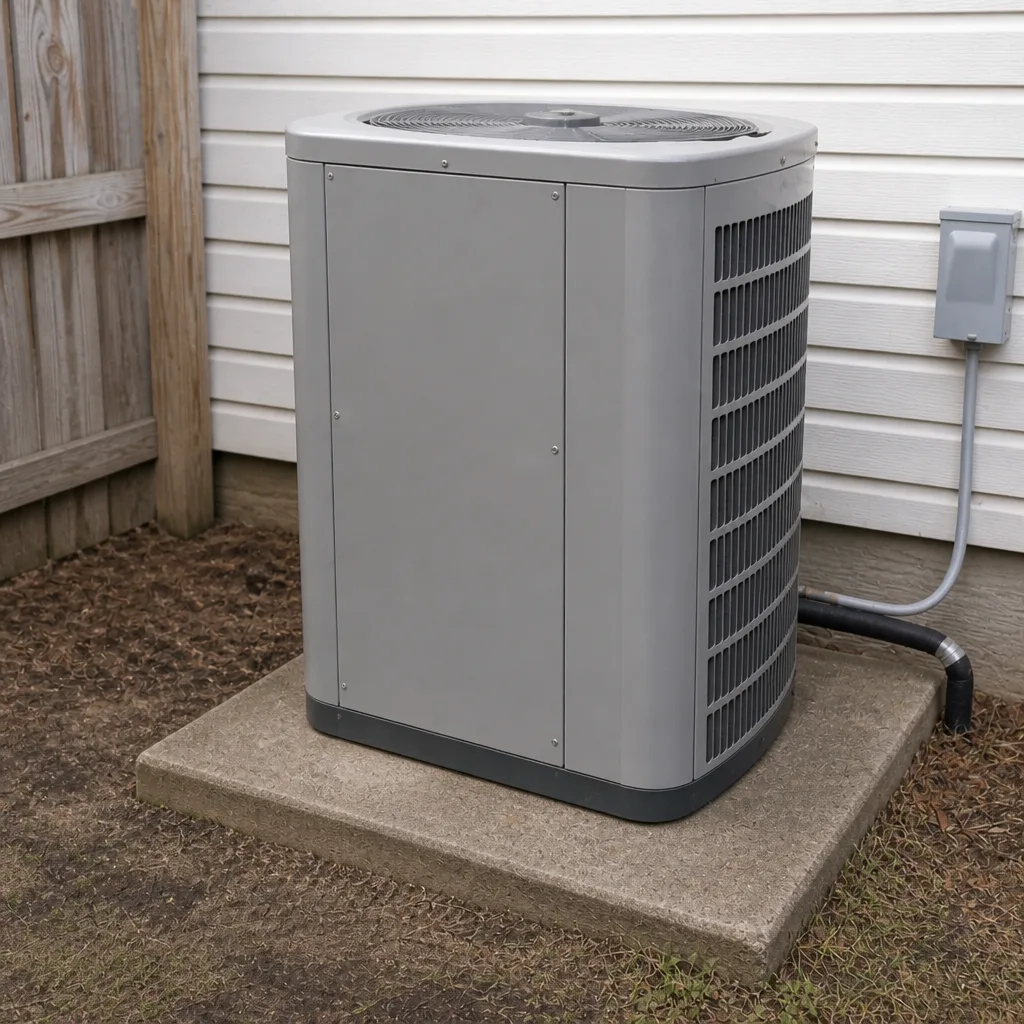
- Outdoor condenser coil rinsing. With the system off and power disconnected at the breaker, a gentle rinse from a garden hose clears dust, pollen, and lawn debris from the outdoor coil. Rinse top-down with the fins, not across them.
- Condensate drain line flush. Algae and dust clog the condensate line regularly in humid climates. Flushing the trap and the accessible drain line with water or a mild mixture keeps water from backing up into the drain pan and eventually into your ceiling.
These are safe because they don’t touch refrigerant, high-voltage wiring, or the gas supply. They also require no recovery equipment, no gauges, no manifold, no vacuum pump, and no certification. If you keep up with these four, you reduce strain on your system and catch problems early, which is a big part of why HVAC equipment lasts as long as it does. When you’re ready to go beyond routine care and look at AC installation, that step is squarely a professional job from start to finish.
How DIY Repairs Void Manufacturer Warranties
Most homeowners never read the warranty document that came with their system. It’s worth reading, because the language is stricter than people assume. Across the major brands, the standard manufacturer warranty typically includes a clause voiding coverage when the equipment is worked on by someone who isn’t a licensed or qualified technician, or when non-approved parts are used inside the equipment. That clause is what most DIY repairs run into.
Here’s how it reads in practice, across the brands we service. Warranty documents from Trane, Lennox, Goodman, and Rheem, along with other major manufacturers, tend to attach coverage to installation, service, and repair performed by licensed professionals. Some specify that the equipment must be serviced by a licensed HVAC contractor to retain coverage, and many state the manufacturer will not honor claims where the failure traces to improper service or unapproved parts. The wording varies by model and year, but the pattern is consistent.
Why does this matter for the DIY-vs-pro decision? Because a single pop of the sealed refrigerant circuit, or a compressor failure that follows a botched “recharge” video, can void what remains of the warranty on equipment worth several thousand dollars to replace. The math shifts fast. Saving a few hundred dollars on a DIY repair can cost you the remaining coverage on a $6,000-plus condenser replacement.
There’s a second cost hidden in the warranty clause: proof. Even a good DIY repair may leave no paper trail. When a manufacturer’s warranty claim comes up later, a service record from a licensed contractor is the evidence that the work was done correctly. That’s one reason we keep detailed records on every service call.
Because we’re authorized to service equipment from Carrier, Trane, Lennox, Goodman, Rheem, York, Daikin, Bryant, and American Standard, we read these warranty clauses constantly and can tell you exactly what your specific unit’s documentation covers. On new Paragon AC Repair installs, the installed system is documented correctly from day one, which protects the warranty from the start.
Three DIY Tasks That Look Simple but Have a High Damage Rate
The most dangerous DIY HVAC tasks are the ones that look easy on video. They involve cheap parts, straightforward-looking steps, and a low barrier to entry. What the videos don’t show is what happens when the part fails under the wrong conditions, or when a follow-up failure traces back to the repair. Three tasks in particular have a high rate of damage when done incorrectly by a homeowner.
- Capacitor replacement. The run capacitor is the least expensive part in the whole system and the one most likely to fail on a hot day. Replacing it means dealing with a stored charge that can deliver a serious shock even after power is disconnected. Getting the microfarad rating or the voltage rating wrong sends the compressor to a hard failure, and an oversized capacitor can shorten a compressor’s life quietly. This is a licensed-technician job because of the shock hazard and because picking the wrong replacement is common.
- Contactor cleaning. The contactor is a relay that switches power to the compressor and condenser fan. Pitted or welded contacts cause failures, and homeowners sometimes try to “clean” the contacts with sandpaper or a file. That removes the plating and accelerates failure. The contactor should be tested and replaced, never filed. It’s a $20 part and a $500 mistake waiting to happen.
- Blower wheel cleaning. The blower wheel is accessible enough to tempt anyone. What’s not obvious is that the wheel has to come off in balance and be cleaned to an even counterweight. Removing or replacing the housing out of alignment throws the motor out of balance, which causes premature bearing wear and vibration. A misaligned blower is a much more expensive repair than the cleaning was.
If any of these components fail, the safest path is to have a licensed technician diagnose the problem and confirm the right replacement before installing anything. If your system has lost its ability to heat in the cooler months, similar rules apply: a fast furnace repair call catches gas and ignition problems that a homeowner shouldn’t touch.
Thermostats and Smart Thermostats: Worth Doing Yourself?
Thermostats are the best-case DIY HVAC swap, because most of them run on low-voltage wiring, and simple replacements are within reach for a homeowner who takes the time to learn the wiring. Basic thermostat swaps and simpler smart thermostats are worth doing yourself. The job gets riskier when the wiring in the wall doesn’t match the labels on the old unit.
The steps that make a thermostat swap safe:
- Switch the system off at the thermostat and the air handler breaker.
- Photograph the wiring on the old thermostat before removing anything.
- Match the labeled wire terminals (R, W, Y, G, C, and their variations) between old and new.
- Connect the C-wire if the new thermostat requires it, and check whether your air handler exposes a C terminal.
- Mount the new thermostat, restore power, and test heat and cool cycles before relying on it.
Two things send homeowners back to the store or, worse, into the panel. First, the C-wire. Smart thermostats generally need a common wire to power the display, and older homes routinely lack one. Running a new wire or installing an adapter kit is where the “simple” part ends. Second, mislabeled terminals. A previous installer may have swapped wire colors or failed to label them, and now a homeowner is matching a new thermostat to a configuration that doesn’t match the manufacturer’s diagram. Sending 24 volts through the wrong terminal can blow the low-voltage transformer in the air handler.
For straightforward setups, DIY is a good call. For anything involving a missing C-wire, a heat pump with auxiliary heat, or a thermostat that’s misbehaving after a swap, it’s a licensed technician job. Our crews have handled both, and we can tell you on the phone whether your setup is a quick home swap or a job that needs eyes on the wiring.
Diagnostic DIY: Gathering Information Before You Call
Here’s where DIY genuinely saves money in the HVAC game, and where most homeowners never think to apply it. Before you call a technician, you can gather diagnostic information that shortens the service visit and focuses the work. This is legitimately useful, and every licensed technician appreciates a customer who arrives with the basics in hand.
What diagnostic DIY looks like:
- Note the thermostat reading and the setting. Is the system being asked to cool below the current indoor temperature?
- Check the air filter. A clogged filter is a common cause of “the AC isn’t keeping up.” The technician shouldn’t spend the first 10 minutes confirming what you already checked.
- Listen to the outdoor unit. Is the condenser fan running but the compressor silent? Is there a hum, a click, or a rattle?
- Check the condensate pan and drain line for standing water. Water on the floor points to a drain issue, not a cooling issue.
- Check the breaker for the AC and air handler. Tripped breakers point to electrical problems that are technician territory.
- Note what the system is doing. Short cycling, running constantly, or not turning on at all each narrow down to a different subsystem.
None of that requires opening the equipment or touching refrigerant. It’s information-gathering. When you call us, that information helps dispatch the right technician and, where the job allows, saves diagnostic time. That’s why we answer 24/7. A call outside dispatch hours is booked into the next opening, Sunday through Friday, 7am to 7pm.
What diagnostic DIY should not include is probing the electrical components, opening the air handler panel, or attempting to add refrigerant to see if that helps. Those cross the safety line and, in the case of refrigerant, the legal one.
Why Pasadena’s Climate Raises the Stakes
Pasadena sits in the Houston metro’s humid subtropical band, which means long, hot cooling seasons and relatively short, mild winters. The AC runs hard for most of the year, and that changes the DIY calculus in two ways. First, a failed DIY repair happens in the middle of a stretch of hot days, when the cost of waiting is highest. Second, the constant load on the system makes small DIY mistakes add up faster than in a cooler climate.
Humidity is the other factor. Pasadena’s moisture levels mean condensate and drain issues are common, and algae in the drain line is a routine problem. That makes the drain flush one of the highest-value DIY tasks in the area. It also means a neglected drain line can back water into the air handler or ceiling, and that repair is far more expensive than the routine monthly task that prevents it.
The city of Pasadena has been our home market, and we know the neighborhoods and the housing stock. If you’re comparing options for Pasadena-area HVAC service, the deciding factor should be whether the company can handle both heating and cooling with the same standards and the same accountability, rather than handing you off between two contractors when the seasons change.
One more local note: the longest cooling seasons expose any weak link in a system, including parts that were DIY-installed incorrectly months earlier. Filters, drain lines, and outdoor coils need attention more often in Pasadena than in a dry climate, and that’s true regardless of who does the work.
The Real Cost-Benefit of Hiring It Out
The honest cost-benefit on the DIY-vs-pro question depends on which task you’re talking about. For filter changes, drain flushes, and coil rinses, DIY is a clear win. There’s no licensing requirement, no warranty exposure, and the savings are real. For thermostat swaps, DIY is worth it on simple wiring and not worth it on complex setups. For everything involving refrigerant, the electrical panel, or the sealed system, the math favors professional work by a wide margin once you account for warranty validity and legal exposure.
That’s not a scare tactic. It’s what happens when the warranty clause and the federal refrigerant statute get pulled into the decision. A homeowner who voids a manufacturer warranty to save a few hundred dollars on an unlicensed repair is making a poor trade. A homeowner who gathers diagnostic information before the call saves money on the visit without taking on any risk. The two are very different forms of “DIY.”
A couple of practical checks help you decide on any given task:
- Does the task touch refrigerant? If yes, it’s a licensed job.
- Does it involve opening a panel with line voltage inside? If yes, it’s a licensed job.
- Does it involve disconnecting or reconnecting a gas line to a furnace? If yes, licensed.
- Does the task risk shipping the wrong part into the system, like a capacitor or contactor with the wrong rating? If yes, licensed.
- Does it require specialty equipment like gauges, a vacuum pump, or a recovery machine? If yes, licensed.
If you answered no to all five, you’re likely looking at a legitimate DIY task, and a homeowner handling it well saves money and keeps the system running. If you answered yes to any of them, the right call is to have it done by a licensed technician.
Common Mistakes to Avoid
- Recharging the system with DIY refrigerant kits. The kits sold online and the how-to videos are all over YouTube, and none of them warn about EPA Section 608 certification requirements. Handling refrigerant without certification is a federal violation, and the practice of “topping off” without finding the leak hides a bigger problem.
- Assuming a running system means a healthy system. Many failing systems run for weeks before they stop, and by then the repair is more expensive. If the unit is short cycling, running longer than usual, or making new noises, have it checked before it fails.
- Skipping the filter during Pasadena’s hot months. A filter that’s a month overdue in a cooler climate may still be fine, but the same filter here is likely loaded. Check it monthly during the cooling season, and change it when it looks clogged.
- Filing contactor contacts or “cleaning” them with sandpaper. It removes the plating and accelerates failure. Contactor testing and replacement is a technician job, and the part is not expensive.
- Mismatched capacitor replacement. Getting the microfarad or voltage rating wrong causes the compressor to fail under load. Always confirm the rating against the original part number, and if there’s any doubt, have it done professionally.
- Ignoring the drain line until it backs up. Pasadena’s humidity makes algae growth in the condensate line common, and the result is water where it shouldn’t be. A monthly flush is cheap; a ceiling repair is not.
- Assuming a DIY repair doesn’t affect the warranty. Manufacturer warranty documents from the major brands often condition coverage on professional service. Doing the work yourself can cost you the coverage you’d otherwise rely on.
See the difference
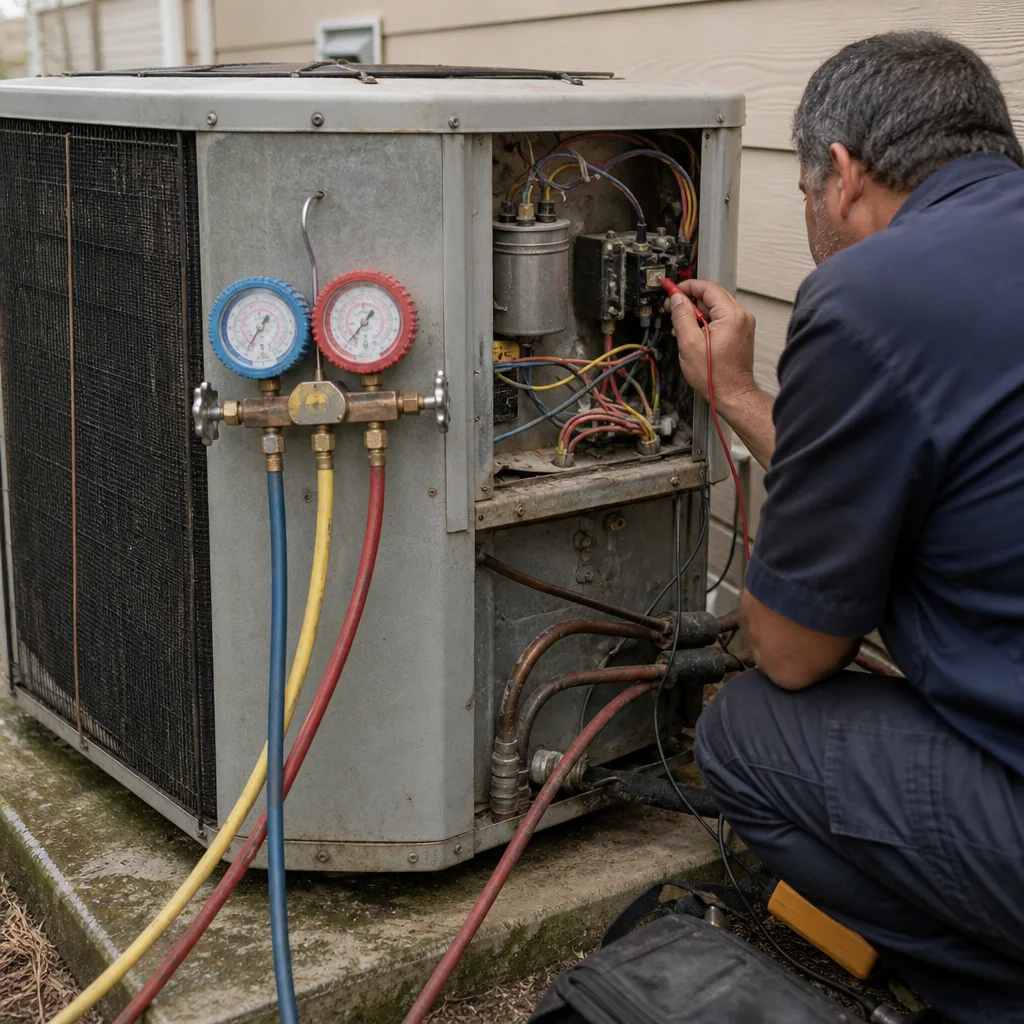 Before
 After
 Before
 After
 Before
 After
When to Call a Professional
Call a licensed technician when the work involves refrigerant, the electrical panel, gas connections, or anything inside the sealed system. Call when the system is short cycling, running constantly, or making new noises. Call when the air handler is tripping the breaker, or the outdoor unit is silent while the indoor unit runs. Call whenever wiring for a thermostat swap doesn’t match the diagram, and whenever a capacitor, contactor, or blower wheel needs replacement. Call when the condensate drain line is backing up and a flush hasn’t stopped it. And call when the system is at the end of its life and the question is furnace replacement or a new AC, because the load calculation and the sizing decision come before the install. Paragon AC Repair offers free estimates in Pasadena. Call (866) 982-5097. We answer 24/7. Fast dispatch from 7am to 7pm, Sunday through Friday. Our technicians are licensed, insured, and trained to work on nine major HVAC brands, so we can diagnose whatever system is in front of us rather than trying to sell you the one brand we carry.
Frequently Asked Questions
No. Handling refrigerant without EPA Section 608 certification is illegal under federal law, and the penalties apply to homeowners as well as contractors. Recharging also requires recovery equipment and a manifold gauge set that most homeowners don’t own. Call (866) 982-5097 for a licensed visit; estimates are free.
Often, yes. Most manufacturer warranties condition coverage on installation and service by a licensed professional and exclude damage from improper service or unapproved parts. Check your specific warranty document, or have a licensed technician confirm what your coverage requires before a DIY repair puts the remaining warranty at risk.
You can legally and safely change the air filter, replace a basic thermostat, rinse the outdoor condenser coil with power off, and flush the condensate drain line. Those four tasks don’t touch refrigerant, gas, or high-voltage wiring. Anything that does touch those systems is a licensed job.
On simple low-voltage wiring with an existing C-wire, a smart thermostat swap is a reasonable DIY job. If your wiring doesn’t match the diagram, if a C-wire has to be run, or if the system is a heat pump with auxiliary heat, have it installed professionally. Call (866) 982-5097 if you’re not sure which situation you’re in; estimates are free.
Pasadena’s cooling season runs long, and the system works hard for months. That means a failed DIY repair shows up as an urgent comfort problem fast, and small mistakes compound under sustained load. The margin for error on high-voltage components like capacitors and contactors is smaller than in a mild climate.
Check the thermostat setting, the air filter, the condensate pan, the breaker, and what the outdoor unit is doing. Note whether it’s short cycling, running constantly, or silent. With that information in hand, a call goes straight to the right diagnosis. Call (866) 982-5097 with what you’ve found; estimates are free.
The Bottom Line
The DIY-vs-professional HVAC decision in Pasadena comes down to two lines: legality and warranty. Filter changes, drain flushes, coil rinses, and simple thermostat swaps are safe and legal for homeowners and worth doing yourself. Anything touching refrigerant, gas, the electrical panel, or the inside of the sealed system is a licensed job, and attempting it can void a manufacturer warranty that protects thousands of dollars in equipment. The diagnostic steps you take before calling save real money; the repair steps that cross the safety line don’t. Whatever brand you have, we know it. Heating or cooling, we handle both. The right fix, not the fastest upsell. Built to the Paragon standard.
For a free estimate in Pasadena, call (866) 982-5097. We answer 24/7. Fast dispatch from 7am to 7pm, Sunday through Friday.
Written by the team at Paragon AC Repair.