
Last updated November 15, 2026
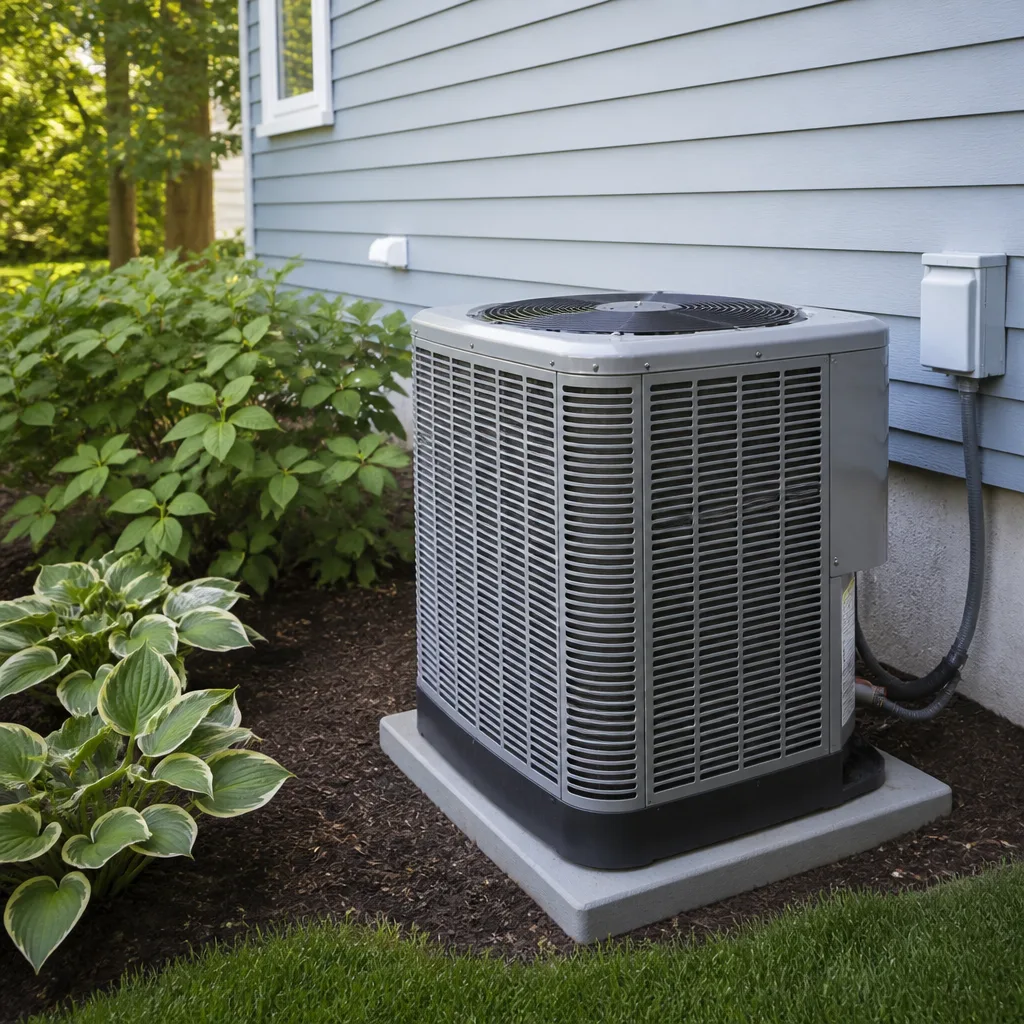 AC repair
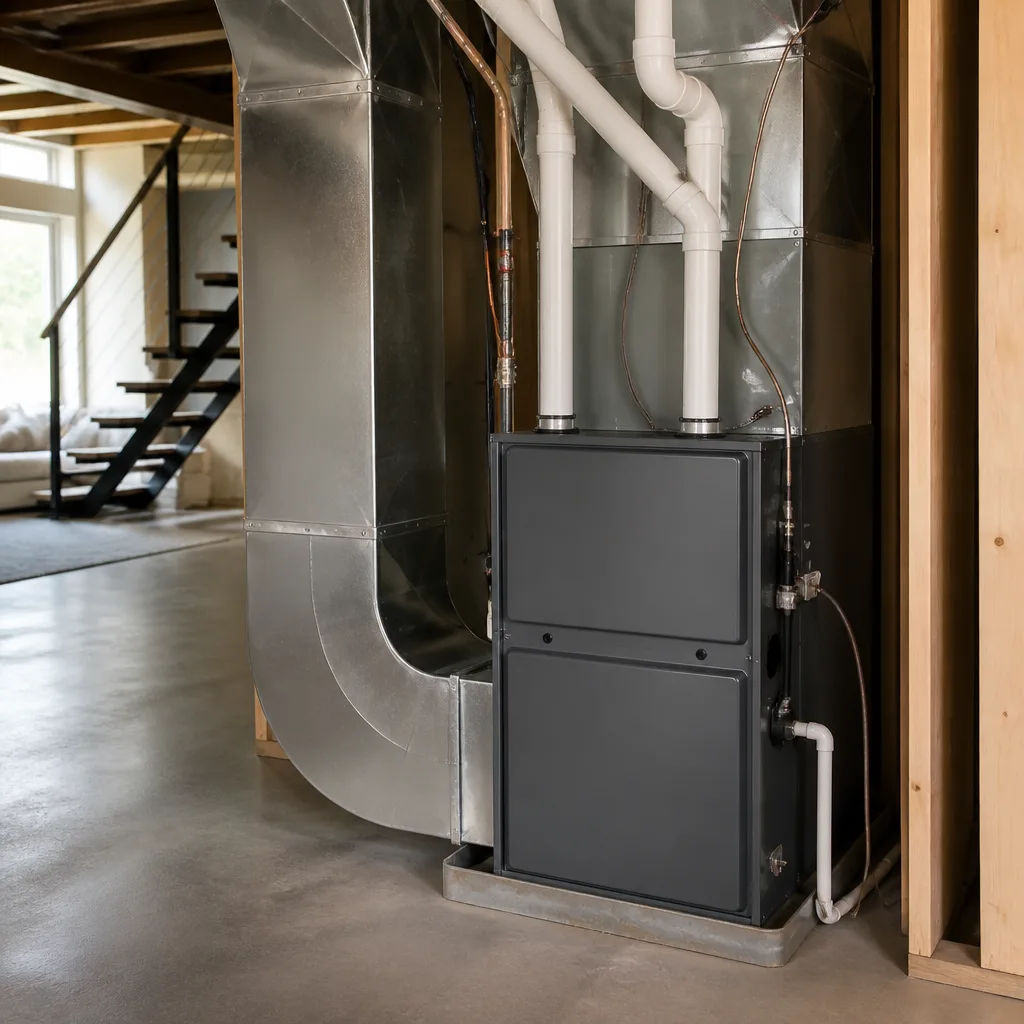 Furnace & heating
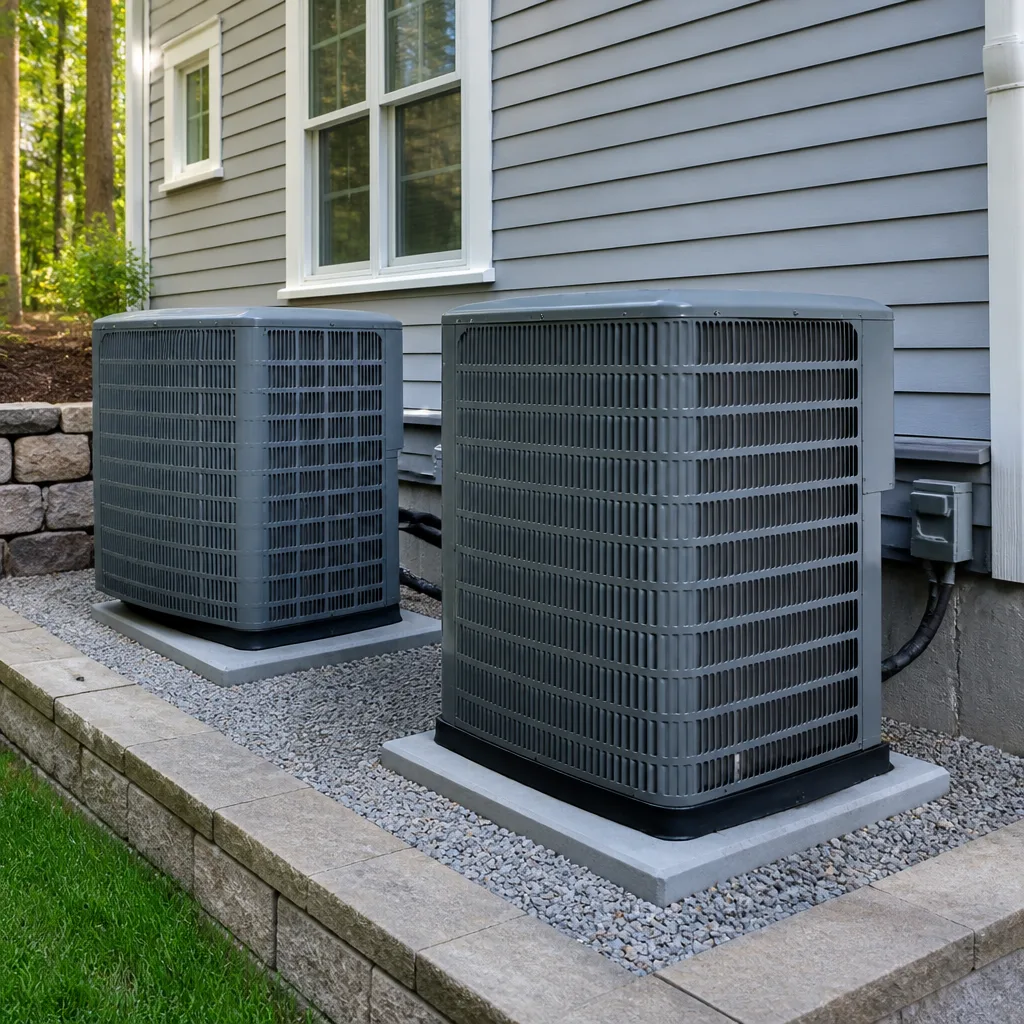 Heat pumps
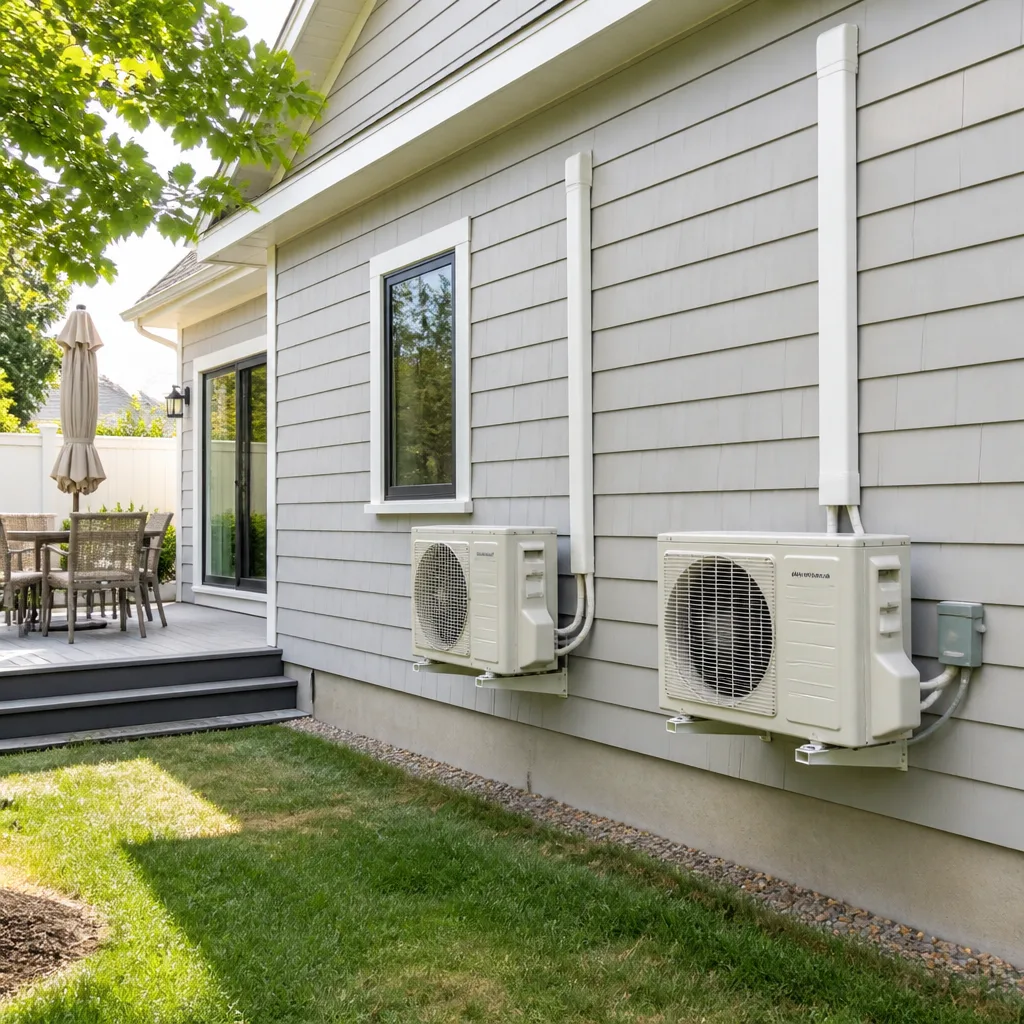 Ductless mini splits
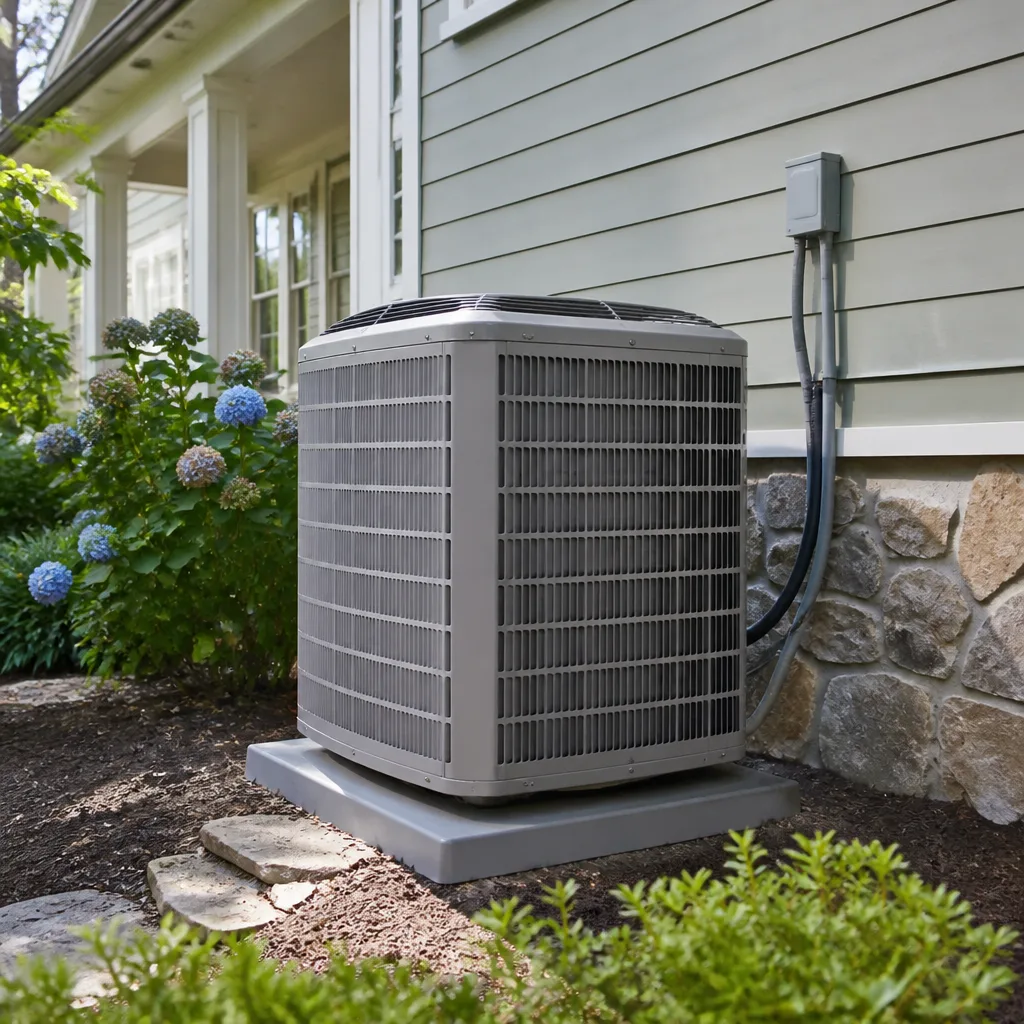 Carrier
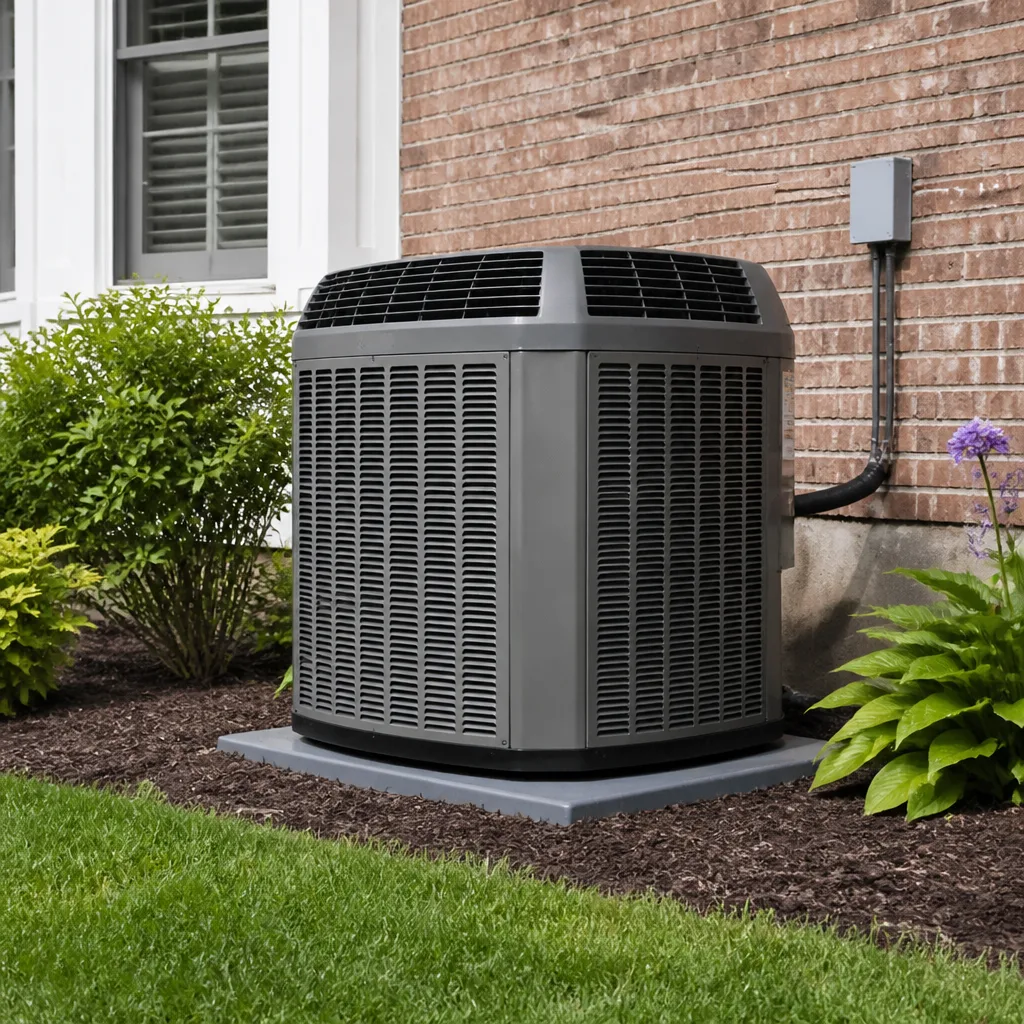 Trane
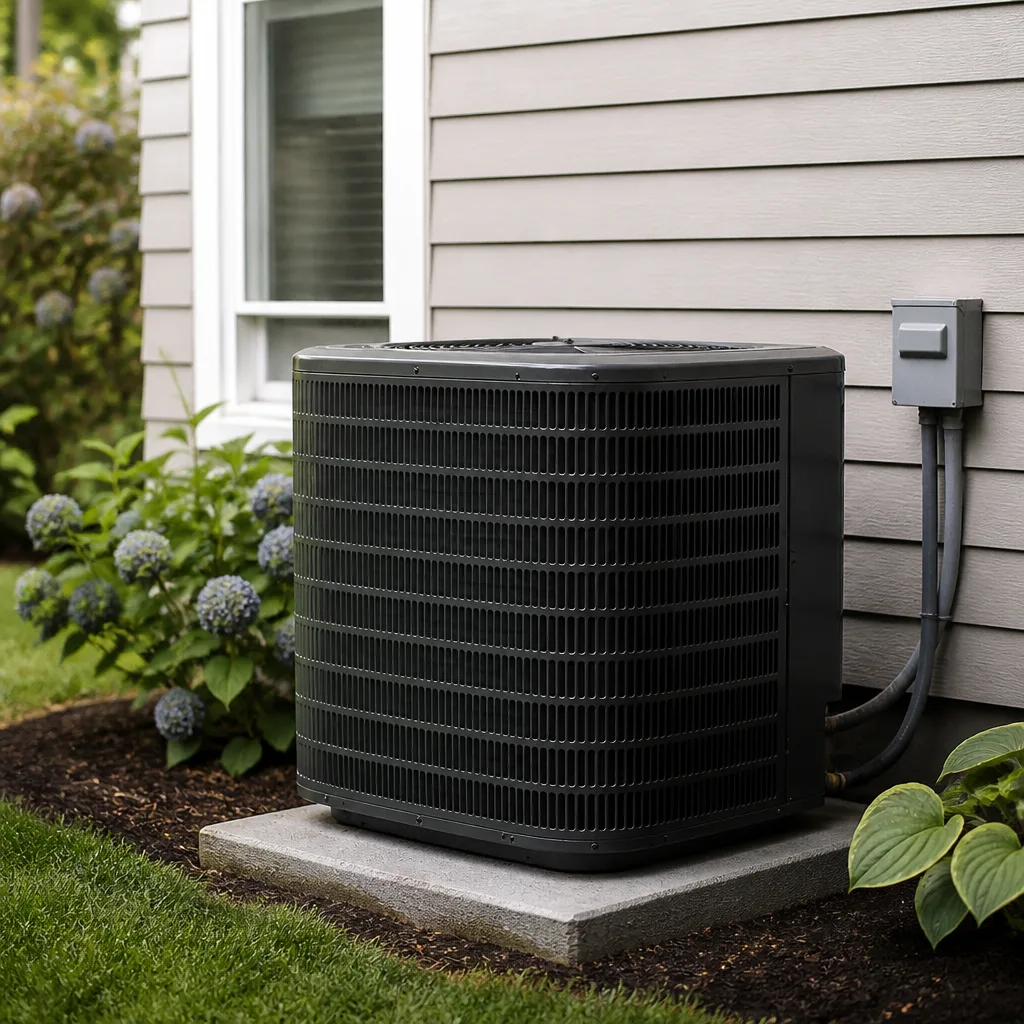 Goodman
Seasonal tune-up and full diagnostic on your Carrier, Trane, or Goodman system - readings shown to you before any repair is proposed
Diagnosis first, numbers second - you approve the repair price before a single part goes in.
Get your free estimateSeasonal HVAC Care for Pasadena: Year-Round Homeowner’s Guide
Most HVAC advice assumes a place with four roughly equal seasons. Pasadena doesn’t work that way. Here, cooling season runs long enough that a system can log eight hard months before it ever gets a real break, heating demand shows up in short concentrated bursts, and the two quiet shoulder months are when the most expensive breakdowns quietly get set in motion. February is the month we hear about the most heating failures. Not because it’s the coldest, but because the furnace has sat idle since spring and nobody tests it until a cold front rolls in and the thermostat won’t hold. This guide walks through the Pasadena climate calendar month by month so you know what to do, and when, before a system quits on you.
Quick Answer
Seasonal HVAC care in Pasadena follows a calendar that looks nothing like the generic spring-and-fall schedule you’ll read elsewhere. The highest-value months are March and October, the shoulder periods when coil cleaning and drain line flushing prevent the costliest summer failures, and your furnace or heat pump needs a test run every October long before the first cold front. Cooling season runs so long here that refrigerant charge, capacitor health, and contactor condition get far more wear than in mild climates.
Styles & brands we work with
- AC repair
- Furnace & heating
- Heat pumps
- Ductless mini splits
- Carrier
- Trane
- Goodman
Table of Contents
- Why Pasadena’s Climate Calendar Is Different
- Month-by-Month HVAC Action Calendar for Pasadena
- March and October: The Two Highest-Value Maintenance Months
- Preparing Your Furnace or Heat Pump for Pasadena’s Short Winter
- What a Long Cooling Season Does to Refrigerant, Capacitors, and Contactors
- Shoulder-Season Air Quality: UV and Oxidizing Purifier Care
- Spring Readiness Checklist Before the First Hot Week
- Repair or Replace? Reading the Signs After a Long Season
Why Pasadena’s Climate Calendar Is Different
If you moved to Pasadena from a place with four even seasons, your old maintenance habits won’t map onto your system’s real wear pattern. Here, the cooling workload dwarfs everything else. A system can run through most of the year on the cooling side and only need real heating capacity for a handful of weeks. That imbalance is the whole reason a generic “spring and fall tune-up” calendar misses the mark.
Think about what that does to the equipment. The compressor, condenser fan, and the electrical components that kick the system on all accumulate operating hours at a pace most maintenance schedules weren’t built around. Meanwhile the heating side sits dormant for months, which is its own kind of risk. Seals dry, electrical contacts can corrode, pilot or ignition systems get sticky, and dust settles into burners and heat exchangers. A furnace that hasn’t run since spring is not the same furnace that ran fine in February of the previous year.
The shoulder months matter more here, too. In April and October, when we’re not sure whether we’ll need the AC or the heater, homeowners stop paying attention. That’s exactly when algae starts growing in the condensate drain line, when coils collect a season of dust and pollen, and when a small refrigerant leak goes unnoticed because nobody’s running the system hard enough to reveal it. Those quiet months are where summer failures are actually born.
One thing Pasadena homes have working in their favor is that we don’t deal with the deep winter extremes that tear up equipment up north. No extended hard freezes, no heating systems running flat out for months. That means heating equipment here tends to age slowly. The trade-off is that when you need it, you need it suddenly, and a system that was never tested is the one that fails on the coldest night of the year. That’s why we tell people to think of the calendar here as one long cooling season with a compressed heating window and two maintenance-critical shoulders, rather than four tidy quarters.
Month-by-Month HVAC Action Calendar for Pasadena
A climate-driven calendar beats a generic one because it puts the work where the actual wear is. Here’s how we’d map the year in Pasadena, month by month, with the task that matters most in each window.
- January. Heating is in real use. Keep an eye on abnormal smells, odd noises on startup, or rooms that won’t warm evenly. Don’t chase performance problems by cranking the thermostat; note when they happen and get them looked at.
- February. The month we hear about the most heating failures, precisely because it’s late enough that idle equipment has had plenty of time to go bad and cold enough that you’ll find out. If you skipped the fall test run, this is the month it shows.
- March. The first high-value maintenance month. Get the cooling side ready: coil cleaning, condensate drain flush, filter change, and a refrigerant and electrical check before the long cooling season begins in earnest.
- April. Shoulder month. Run both sides briefly. Confirm the AC comes on and cools, confirm the heat still fires. Change the filter if you haven’t since March.
- May through September. Peak cooling. The system is working hard for months. This is when refrigerant charge, capacitor health, and contactor condition all get stressed. Keep filters clean and watch for any drop in cooling performance.
- October. The second high-value maintenance month. Flush the drain line and clean the coil again after a long cooling season, and do your 10-minute heating test run (more on that below).
- November. Run the heating system regularly to keep it exercised before you need it, and clear anything stored around the furnace or air handler.
- December. Last check before the cold window closes. If heating has been behaving strangely all fall, this is the month to act, not mid-February.
If you only do two things all year, make them the March cooling prep and the October heating test run. Everything else is a smaller version of those two acts of prevention.
March and October: The Two Highest-Value Maintenance Months
If Pasadena had a maintenance season, it would be these two months. Both sit right before the system gets pushed, and both give you a chance to catch problems while they’re still cheap to fix. Here’s why they matter more than any other window on the calendar.
March: before the long cooling season. By March, your AC has usually been off or barely running for a few weeks, which is the perfect window to look at it while it’s not under load. The two tasks that pay off most are coil cleaning and condensate drain flushing. A dirty evaporator coil makes the system work harder all summer, and a clogged drain line is one of the most common causes of a mid-summer shutdown. Neither problem is expensive to handle in March. Both get expensive when they show up as a failure in July. A March service also checks refrigerant charge and the electrical components before they take on an eight-month workout.
October: after the long cooling season, before heating. October does double duty. First, it’s the reverse of March: the cooling side just finished a long run, so a coil cleaning and drain flush now clears out a whole season of debris before it sits and cakes on over the shoulders. Good airflow and a clear drain protect next summer’s performance. Second, October is when you test the heating side before you need it. October’s the last month you’ll willingly run a heating test and notice a problem with time to book a proper furnace repair before a cold front. Leave it to February and you’re testing during a real cold snap.
Both months get the same basic service: filter change, coil cleaning, drain line flush, a check on refrigerant and electrical components, and a look at the heating or cooling side that’s about to start working. In our experience, the homes that get serviced in March and October are the ones that don’t call us in the middle of July or on the coldest night of the year. That’s not a coincidence. It’s the calendar doing its job.
- March focus: coil cleaning, drain flush, refrigerant check, electrical check, cooling startup.
- October focus: post-season coil cleaning, drain flush, heating test run, pre-winter inspection.
- Both: filter replacement and a quick look at anything that flagged an issue the previous season.
Preparing Your Furnace or Heat Pump for Pasadena’s Short Winter
Pasadena’s winter is short, but it’s real, and the worst mistake is assuming the heating side will just work because it did last year. The fix is a 10-minute test run in October, long before you need the system at 2 AM. Here’s how a test run works and what it tells you.
- Turn the thermostat to heat and set it a few degrees above room temperature. Listen for the system to come on. A gas furnace should ignite within a minute or two; a heat pump should start blowing warmish air within a few minutes.
- Listen for odd sounds. Rumbling, banging, or a whoosh on ignition are worth noting. A furnace that struggles to light or clicks repeatedly is telling you an ignition component is going.
- Check that warm air actually comes out of the vents. If it runs but doesn’t heat, the problem is on the heating side, not the thermostat.
- Smell for trouble. A faint burning smell on the first run after months idle is normal dust burning off. A persistent gas smell or a sharp, acrid odor is not; turn it off and get it looked at.
- Let it run for a few minutes, then shut it down and run the AC briefly. A full test of both sides in October catches the seasonal switch problems before winter.
That last point is where the furnace-versus-heat-pump distinction matters. Gas furnaces have burners, an ignition source, and a heat exchanger that can crack over time, and a heat exchanger issue is a real safety concern, not something to test by trial and error. Heat pumps don’t burn fuel but instead reverse the refrigeration cycle, so the same refrigerant and electrical components that run the cooling side in summer run the heating side in winter. If your system uses a brand like Rheem or York, a technician trained on that equipment will know exactly what to look at. Whatever brand you have, we know it.
For anything on the heating side involving gas, burners, or the heat exchanger, get a trained professional to inspect it. Those are not parts to explore yourself. A furnace service in October is far less stressful than a heating failure in February.
What a Long Cooling Season Does to Refrigerant, Capacitors, and Contactors
Because cooling season here runs long, three components carry far more wear than they would in a milder climate: refrigerant charge, capacitors, and contactors. These are the parts most likely to fail mid-summer, and knowing why helps you catch the warning signs before the system quits.
Refrigerant. A sealed system shouldn’t lose refrigerant. If it’s low, something is leaking, and a long cooling season means that leak has months of operating hours to reveal itself. Low refrigerant makes the system run longer and cool less, which stresses everything else. If your AC is running constantly and not keeping up, that’s the first sign to have the charge checked.
Capacitors. The start and run capacitors give the compressor and fan motor the electrical kick they need. They’re simple parts, but they take heat and hours of cycling, and a long Pasadena summer is a hard life for them. A failing capacitor often shows up as a system that hums but won’t start, or a fan that runs slow or not at all. It’s a small part with an outsized effect, and it’s one of the most common reasons a mid-summer service call happens.
Contactors. The contactor is the electrical switch that turns the outdoor unit on. Every time the AC cycles, it does its job, and over a long season it cycles thousands of times. Pitted or worn contacts can cause the system to short-cycle, not start at all, or run intermittently. It’s the kind of thing that gets caught in a proper electrical check, which is exactly what a March service does before the season gets heavy.
None of these three components is expensive to check. All three are far more expensive to replace the consequences of when they fail in the middle of a hot week. That’s the case for a real spring checkup rather than a filter change and a glance at the thermostat. If you are weighing a whole-system decision after a long season, our AC installation service walks through what replacement really involves when repair stops making sense.
Shoulder-Season Air Quality: UV and Oxidizing Purifier Care
There’s one seasonal task in Pasadena that has nothing to do with cooling or heating but everything to do with indoor air quality: maintaining your UV light or oxidizing air purifier during the shoulder months. Those quiet periods between heavy cooling and heavy heating are when the mold risk in the system peaks, and it’s the least visible problem we see.
Here’s the mechanism. When the AC runs hard, moisture moves through the coil and down the drain. When the system sits idle in a shoulder month, condensation and residual moisture on the coil and in the ductwork have nowhere to go, and warm, still air is exactly what mold likes. That’s why the risk climbs in April and October rather than during the peak of summer. A UV light in the air handler or an oxidizing purifier in the ductwork controls that growth only if the lamp or cell is actually working. A UV bulb dims over time and eventually stops producing useful output before it burns out entirely, and an oxidizing cell loses effectiveness as it ages. If nobody checks it, you get the illusion of protection.
The maintenance is simple: check the lamp or cell during your shoulder-month service, note its age, and replace it on the manufacturer’s schedule before the mold-prone shoulder period. Filters matter here too. A clogged filter not only strains airflow but lets more dust into the system, which feeds the problem. If you run a UV or oxidizing purifier in Pasadena, put it on your March and October list right next to the coil cleaning and drain flush. It’s the one seasonal task that protects the air you breathe rather than the equipment that moves it.
Spring Readiness Checklist Before the First Hot Week
The first genuinely hot week of the year is not the time to discover a problem. This checklist is meant for March, before the cooling season starts in earnest, and it’s the same set of checks a proper spring service covers. If you’d rather have a trained technician do it, our Paragon AC Repair team handles the full scope on both sides of the system.
- Replace the air filter. Cheap, quick, and one of the most effective things you can do. A clean filter protects airflow and the whole system.
- Test the AC. Run it for a few minutes on a mild day and confirm it cools. Better to find a problem now than on the first 100-degree afternoon.
- Check the condensate drain. A flush in spring prevents the clogged-drain shutdown that’s so common in mid-summer.
- Clean around the outdoor unit. Clear debris, leaves, and anything stored against the condenser so it can breathe.
- Have the coil and refrigerant checked. This is the part a professional does; it’s the highest-value item on the list and the hardest to do yourself.
- Do a quick electrical check. Capacitors and contactors are the components a long season stresses most, and a spring check catches them before they fail.
- Note your heating test result. If the heat ran badly in fall, don’t put it off until you need it. Fold it into the spring visit.
Run this list in March and you’ve done the single most valuable maintenance task on the whole calendar. It’s a small amount of work at the right time, and it’s what keeps a system from failing at the worst possible moment.
Repair or Replace? Reading the Signs After a Long Season
After a long cooling season, some systems come out fine and some come out on their last legs. The question of repair versus replacement is the one we get most often, so here’s how to think about it rather than a one-size rule.
Repair usually makes sense when the system is otherwise sound and the problem is a specific, isolated part. A failed capacitor, a worn contactor, a clogged drain line, or a refrigerant leak that can be found and fixed are all genuine repair situations. The system does its job, one thing broke, and fixing that thing restores it. That’s the right fix, not the fastest upsell, and it’s what a brand-agnostic service model is supposed to protect: your existing investment. Whatever brand your equipment uses, from Bryant to Daikin, the right recommendation depends on your system and your situation, not on a manufacturer relationship.
Replacement starts to make sense when the failures stop being isolated. Repeated refrigerant leaks, a compressor that’s failing, or a heat exchanger with a problem all point toward a system that’s reached the end of its reliable life. A system that’s failed the same way more than once in a short span is telling you something. It’s also worth weighing age and how the rest of the system looks, not just the part that broke this time.
What we don’t do is push a replacement because it’s the easier sale. The Paragon standard is work done correctly the first time, and that includes telling you when a repair is the right call. One contractor, every season means you get an honest read from a company that handles both heating and cooling rather than handing you to a second specialist when the season changes.
Common Mistakes to Avoid
- Skipping the October heating test run. It’s the single biggest reason February heating failures catch homeowners off guard. Ten minutes of testing in fall is the difference between a scheduled repair and an emergency.
- Treating the shoulder months as a break. April and October are when the most expensive problems incubate. Calling them “off months” and doing nothing is the opposite of what the climate calendar calls for.
- Only changing the filter and calling it maintenance. A filter change is good, but it doesn’t clean the coil, flush the drain, or check refrigerant and electrical parts. Those are the tasks that prevent failures.
- Ignoring a clogged condensate drain until it backs up. A drain flush in March and October is cheap. A drain that backs up in July shuts the system down and can cause water damage.
- Letting a UV or oxidizing purifier run past its useful life. An aging lamp or cell gives you the illusion of air quality protection. Check it during the shoulder months, not when you notice a problem.
- Replacing a system over a single repairable part. A failed capacitor is not a reason for a new system. Get an honest diagnosis before you decide, and make sure the diagnosis covers the whole system, not just the part that happens to be easy to point at.
- Cranking the thermostat to fix a comfort problem. Turning it up or down harder doesn’t fix a system that can’t keep up. It stresses the equipment and hides the real issue.
See the difference
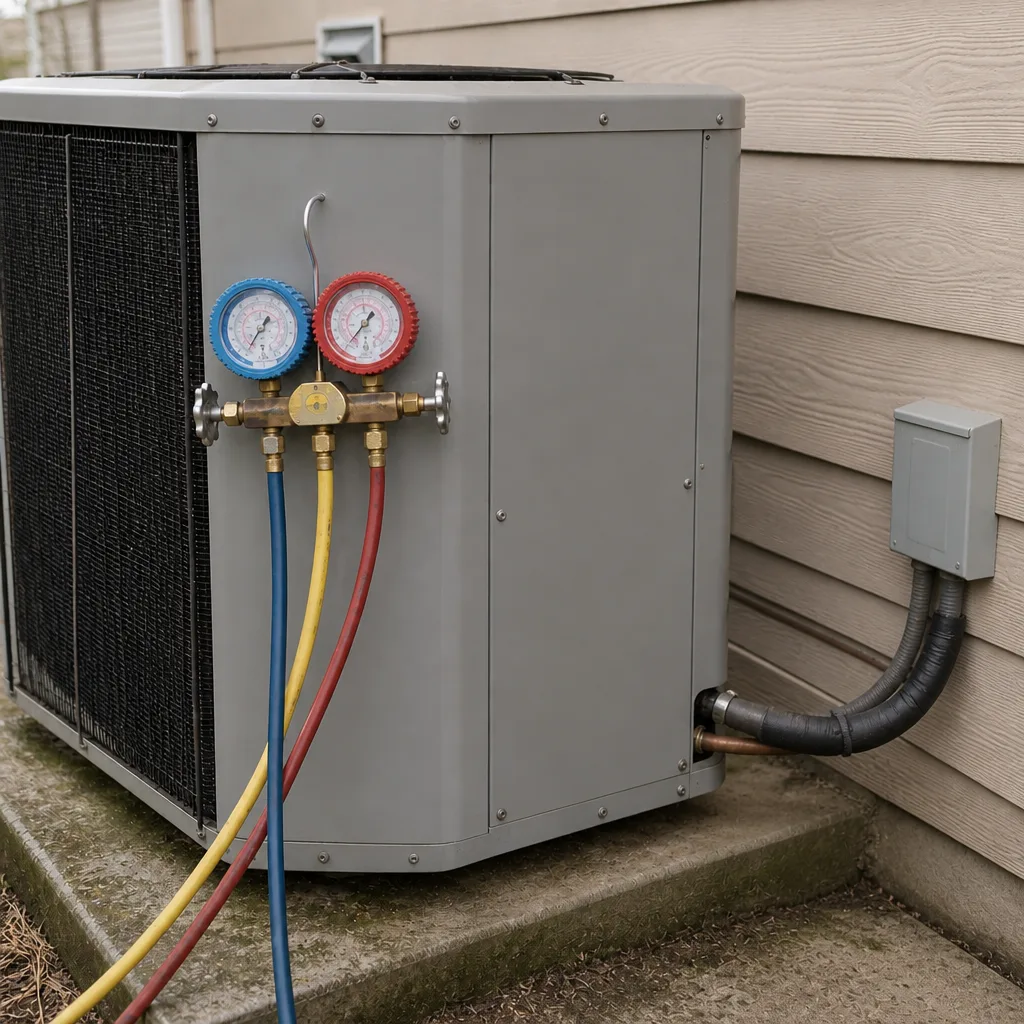
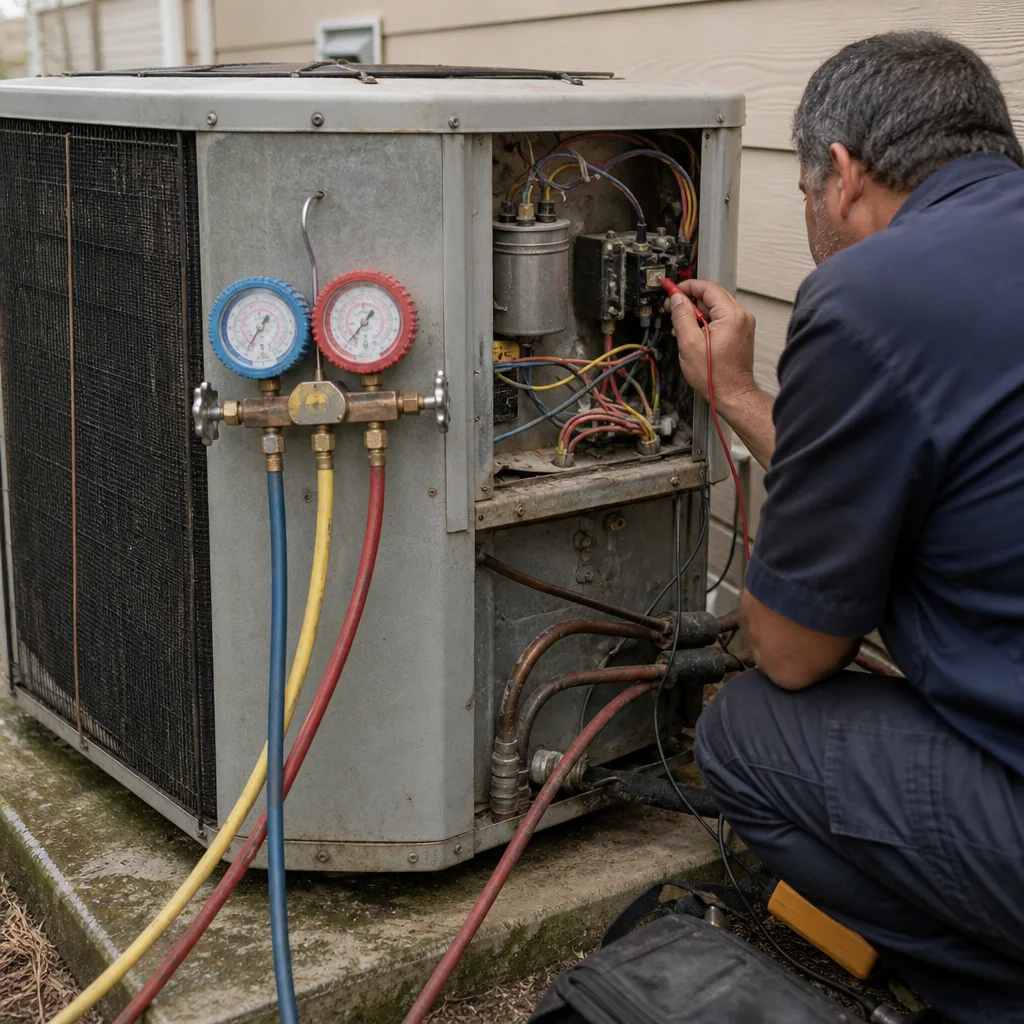 Before
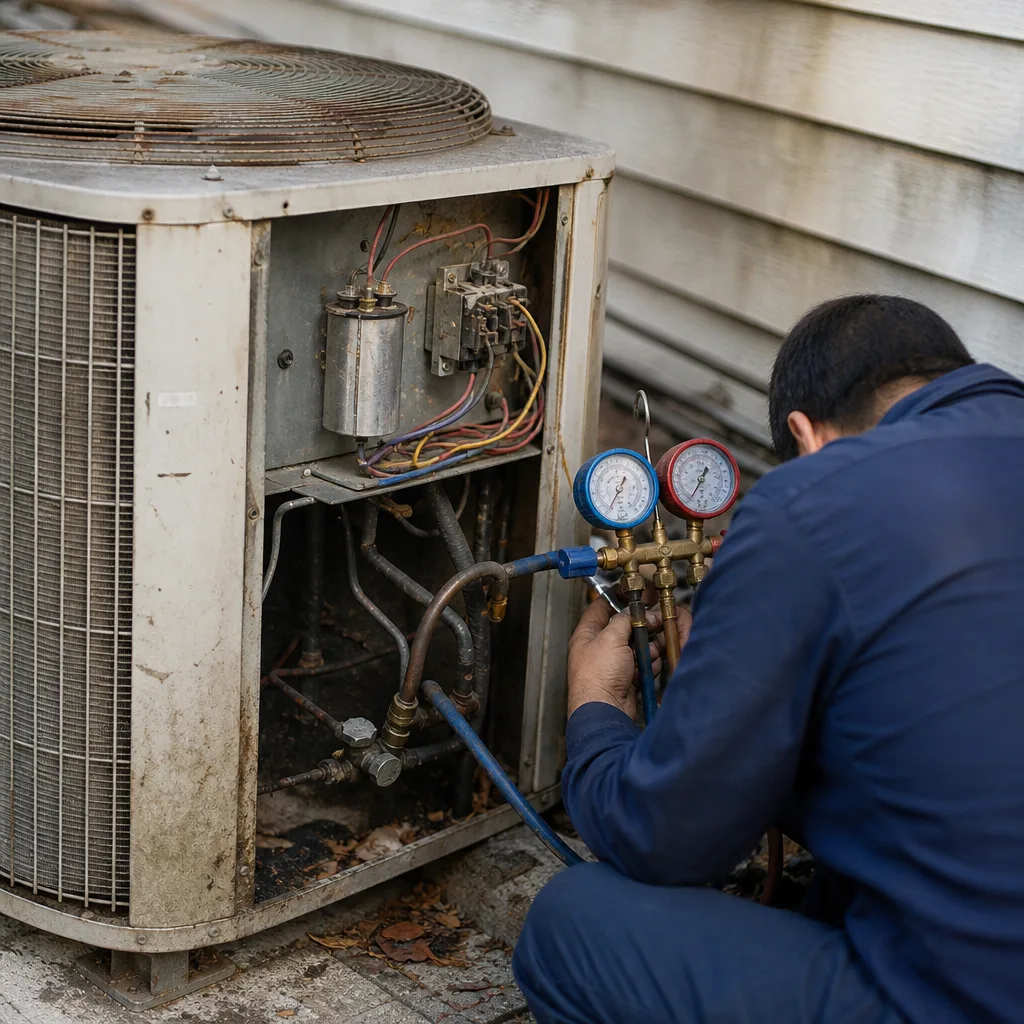
 After
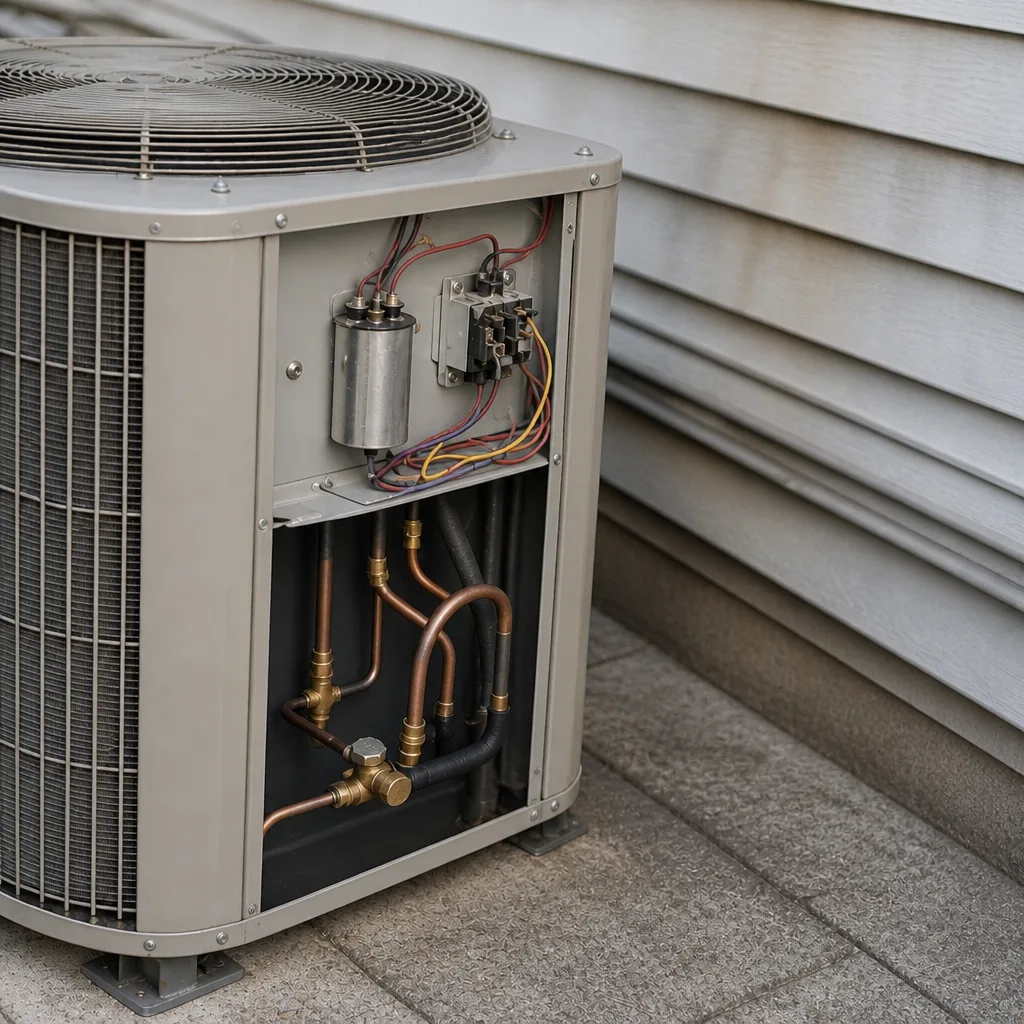
 Before
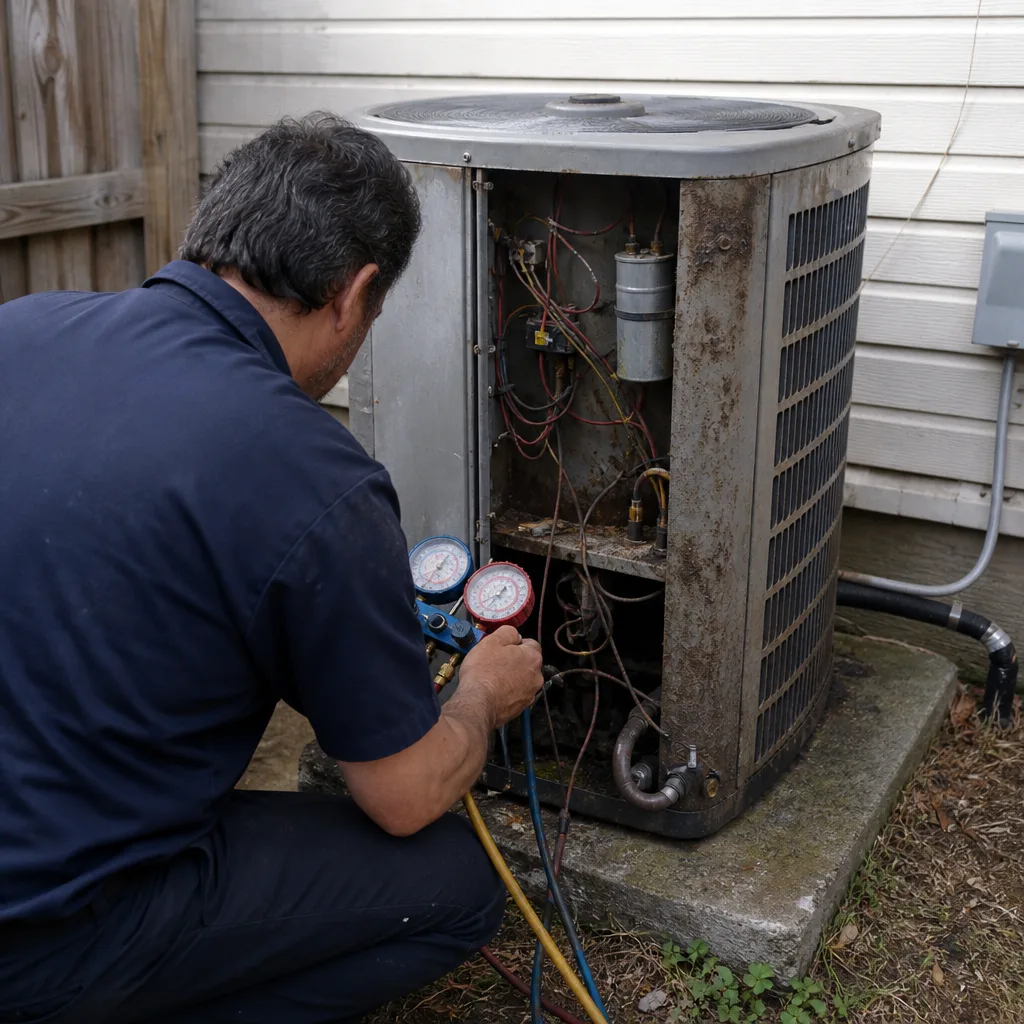
 After
 Before
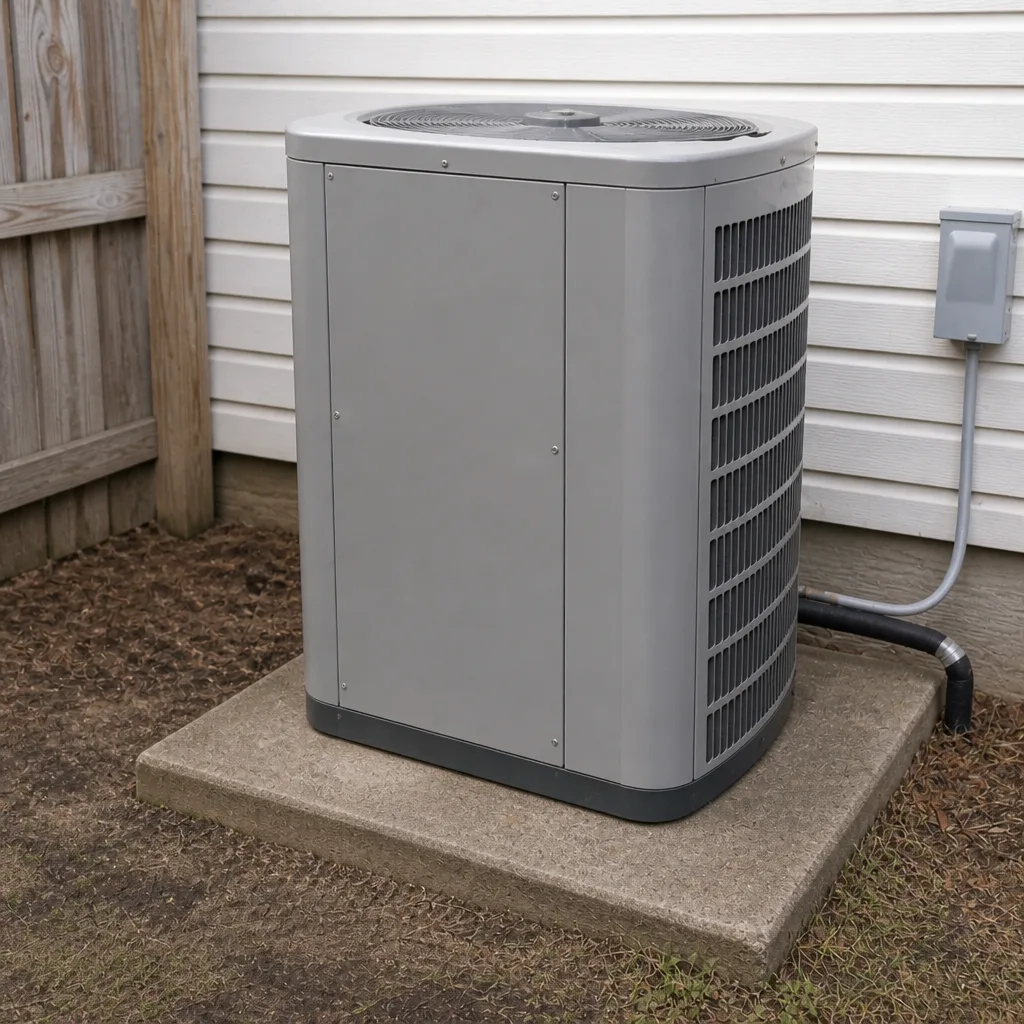 After
When to Call a Professional
Some tasks belong on your calendar; others belong to a trained technician. Call a professional if your AC runs constantly but doesn’t keep up, if the system hums but won’t start, if you smell gas or a sharp acrid odor from the heating side, or if the furnace struggles to ignite or makes banging noises on startup. Call if the condensate drain overflows, if a UV or oxidizing purifier hasn’t been checked in a long time, or if a system has failed the same way more than once. Any gas, burner, or heat exchanger issue should always go to a trained technician. Paragon AC Repair offers free estimates in Pasadena; call (866) 982-5097. We answer 24/7. Fast dispatch from 7am to 7pm, Sunday through Friday.
Frequently Asked Questions
March and October are the two highest-value months. March preps the cooling side before the long cooling season, and October cleans up after it and tests the heating side before winter. If you only service your system twice a year, do it in those two windows.
February is when idle heating equipment has had the most time to go bad and cold weather forces the issue. A furnace or heat pump that hasn’t run since spring may have dried seals, sticky ignition parts, or dust in the burners. An October test run catches these before the cold front does. Call (866) 982-5097 for an exact quote, and estimates are free.
Repair when the problem is one isolated part and the system is otherwise sound; replace when failures repeat or a major component like the compressor or heat exchanger is going. Get a full-system diagnosis rather than a guess based on the part that broke. Call (866) 982-5097 for an exact quote; estimates are free.
Replacement cost depends on the size of the system, the equipment, and the condition of the existing ductwork and electrical service, so the only honest number is one set by a written estimate. We don’t quote over the phone on a replacement because the load matters. Call (866) 982-5097 for an exact quote; estimates are free.
It puts more wear on refrigerant seals, capacitors, and contactors than a mild climate would. Those three are the components most likely to fail mid-summer, which is why a spring electrical and refrigerant check pays off so well. Call (866) 982-5097 if your system is running constantly without keeping up.
Same-day service is often available. We answer 24/7, and dispatch runs from 7am to 7pm, Sunday through Friday. Call (866) 982-5097 for an exact quote; estimates are free.
The Bottom Line
Pasadena’s climate doesn’t reward a generic spring-and-fall maintenance habit. It rewards a calendar built around one long cooling season, a short heating window, and two shoulder months where the real damage gets set in motion. Do the March cooling prep and the October heating test run, keep the coil clean and the drain flushed, check the parts a long season stresses, and don’t skip the purifier. Whatever brand you have, from Rheem to Bryant, we work on the system in front of you rather than the one brand we sell. If a problem turns up, or you want a free estimate before the season does, call (866) 982-5097. We answer 24/7. Fast dispatch from 7am to 7pm, Sunday through Friday. Our technicians have up to 9 years of experience, and whether it’s heating or cooling, we handle both.
Written by the team at Paragon AC Repair.