
Last updated November 15, 2026
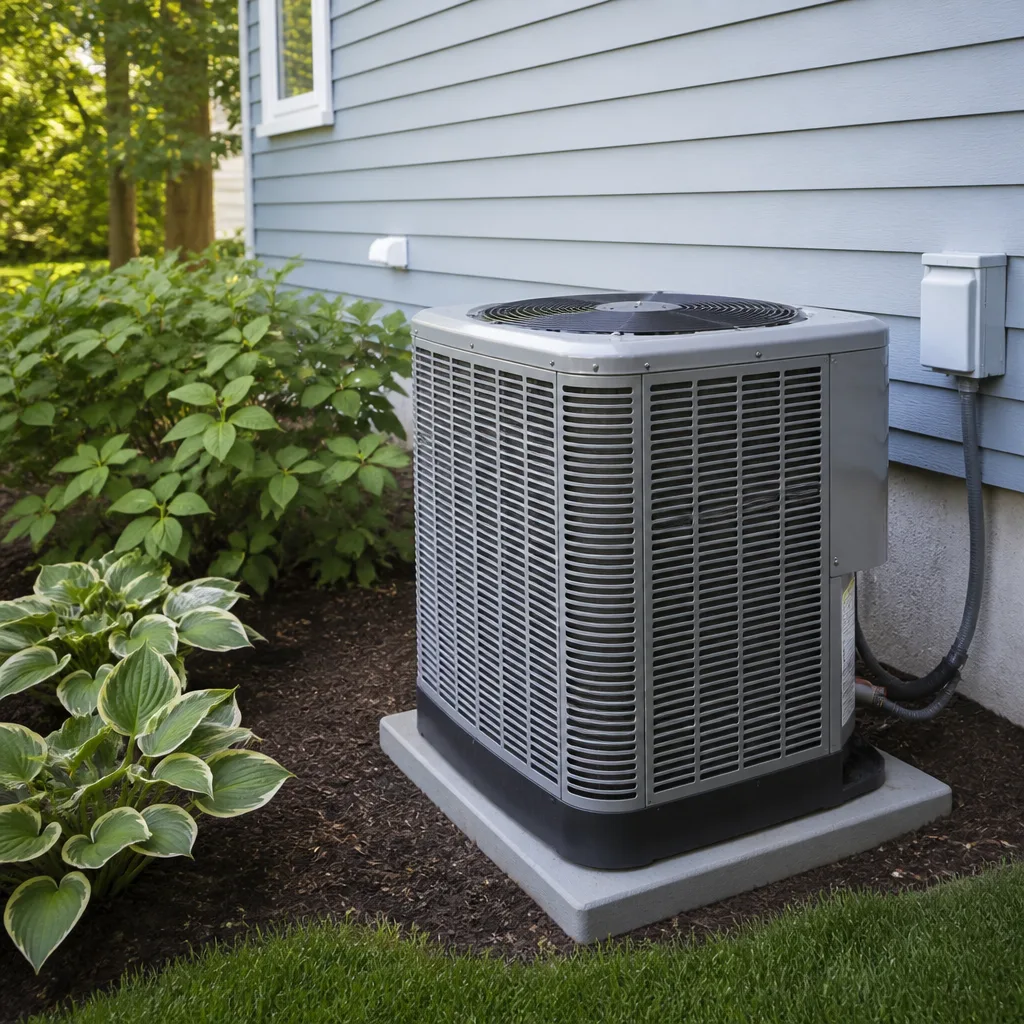 AC repair
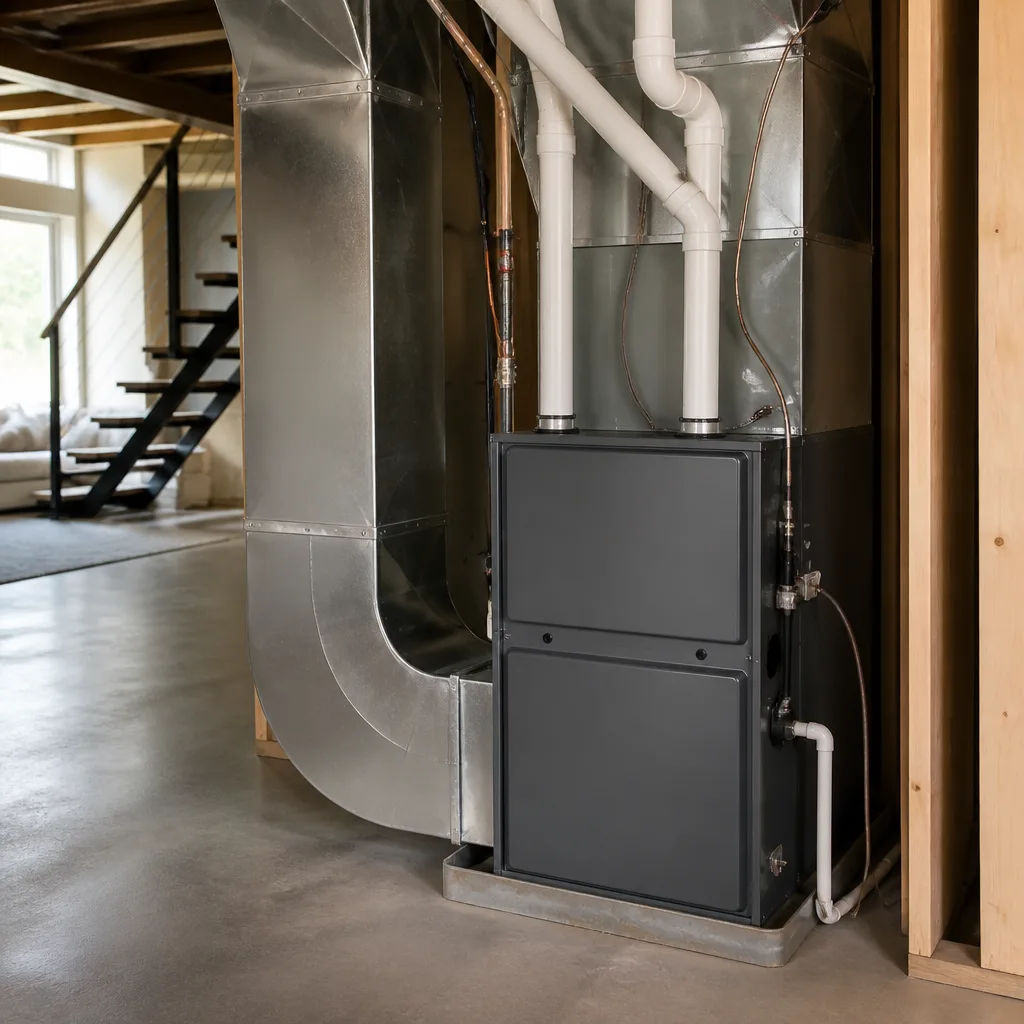 Furnace & heating
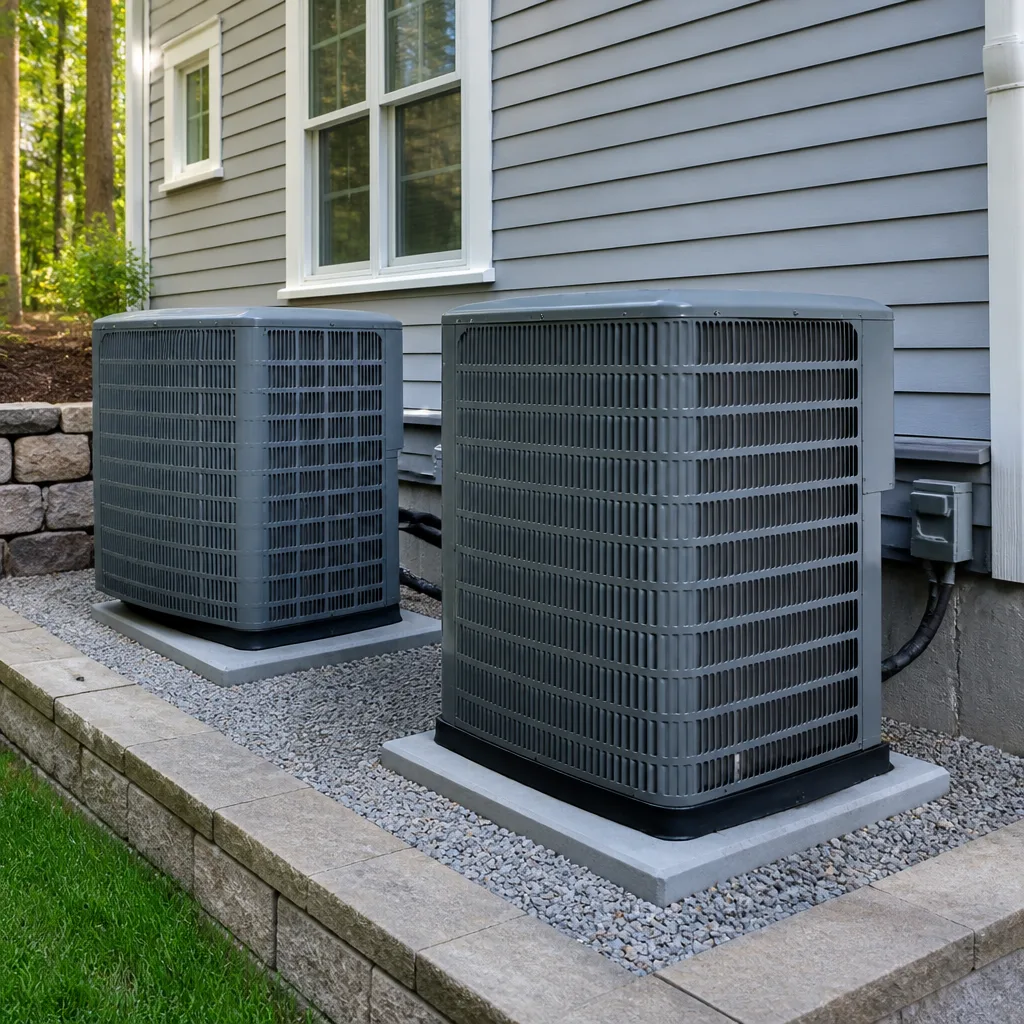 Heat pumps
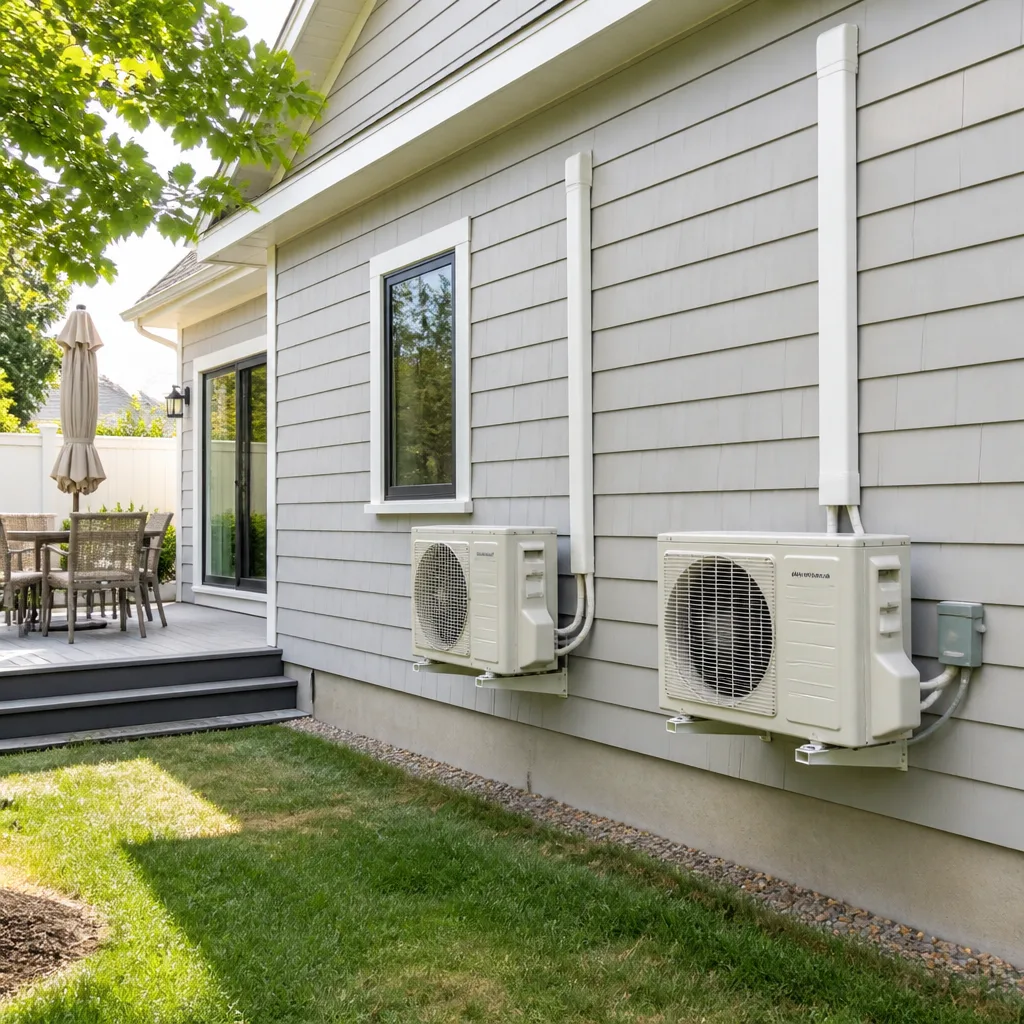 Ductless mini splits
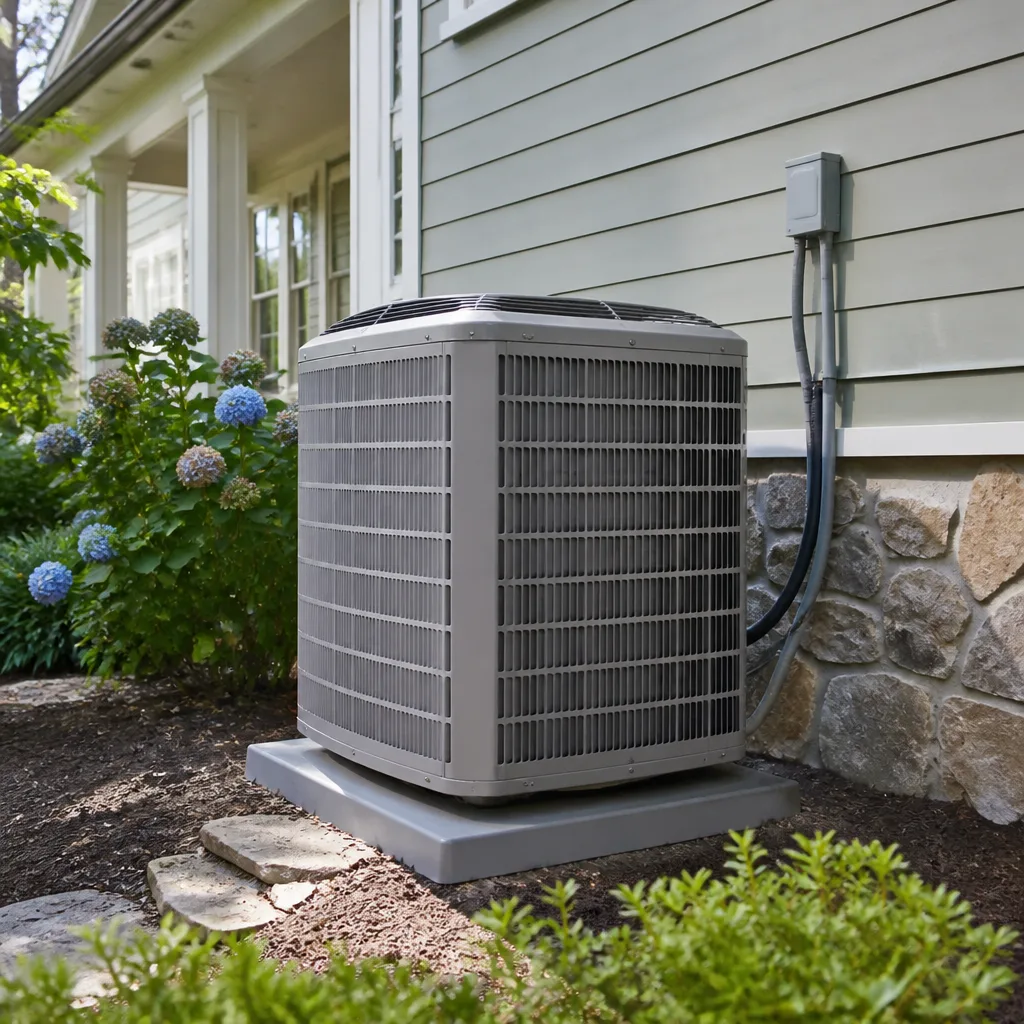 Carrier
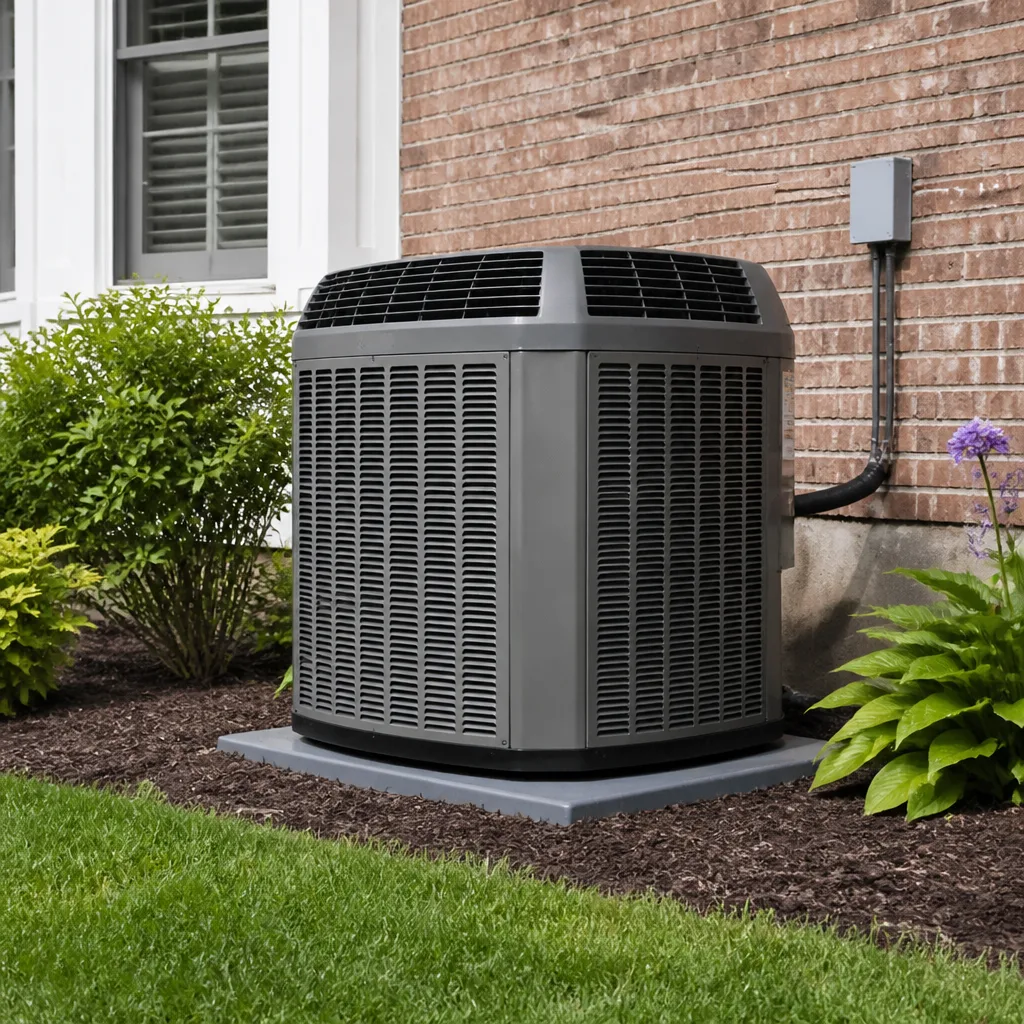 Trane
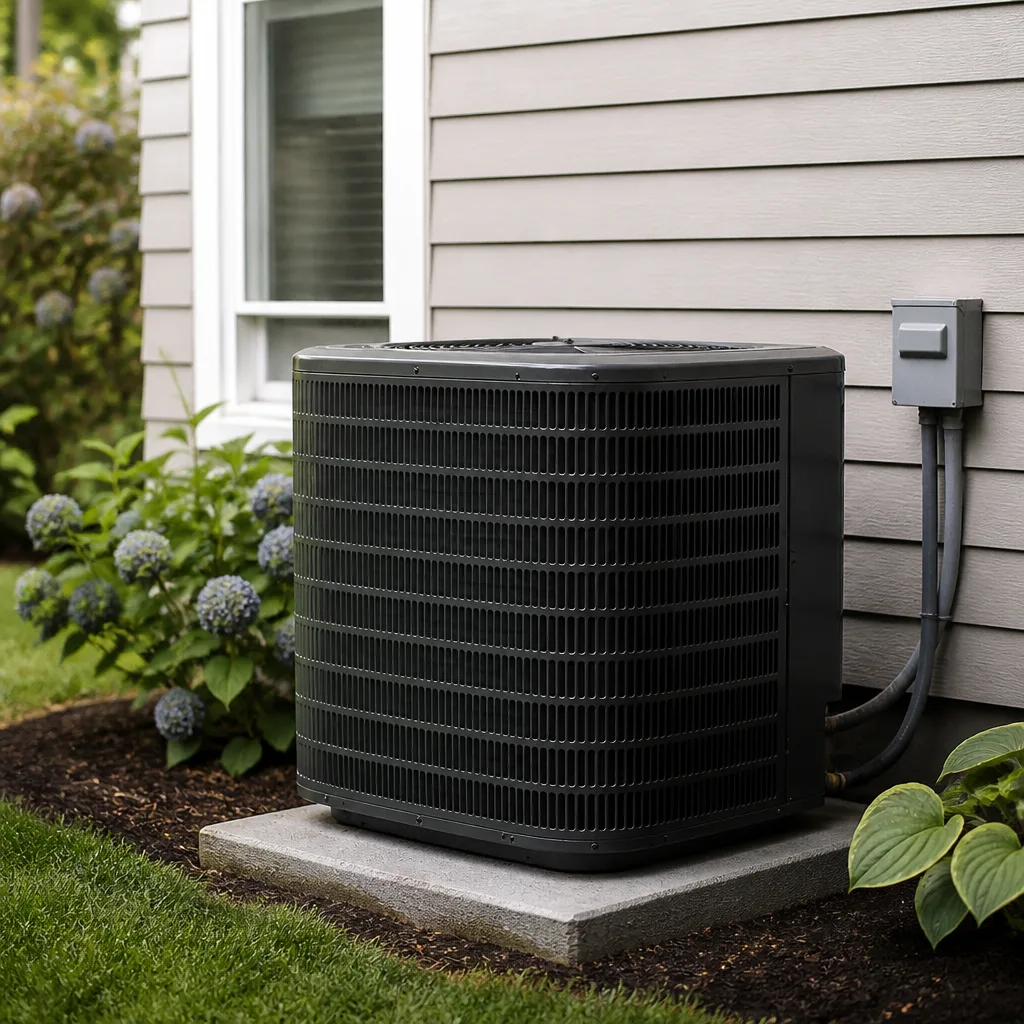 Goodman
Seasonal tune-up and full diagnostic on your Carrier, Trane, or Goodman system - readings shown to you before any repair is proposed
Diagnosis first, numbers second - you approve the repair price before a single part goes in.
Get your free estimateAC Installation Maintenance Checklist for Pasadena Homeowners
Most air conditioning maintenance checklists are written by manufacturers for a national audience, which is why so many of them miss the failures that actually show up in Pasadena homes. A new system installed with a condensate drain line that isn’t properly sloped and cleaned will grow mold inside the air handler within a single Pasadena summer, and many installation crews finish that step in under four minutes. The checklist that follows is built backward from what we see failing one, three, and five years after installation, so you can verify the important work on day one instead of paying for preventable repairs later. You’ll learn what to check before the crew leaves, what to inspect at 30 days, and how to document maintenance so your warranty holds up.
Quick Answer
A proper post-installation maintenance checklist for a Pasadena home has three phases: verify five specific things before the installation crew leaves (refrigerant charge against manufacturer spec, drain line slope and cleanout, filter fit, thermostat calibration, and coil cleanliness), repeat a short inspection at the 30-day mark during peak humidity season, and log quarterly and annual tasks in writing so your manufacturer warranty stays valid. Pasadena’s long cooling season means systems here run more annual hours than in drier climates, so intervals should be tighter than the generic schedule in your owner’s manual.
Styles & brands we work with
- AC repair
- Furnace & heating
- Heat pumps
- Ductless mini splits
- Carrier
- Trane
- Goodman
Table of Contents
- What to Verify Before the Installation Crew Leaves
- Refrigerant Charge: Why “It Feels Cold” Isn’t a Measurement
- The 30-Day Post-Installation Inspection for Pasadena Humidity
- Annual Maintenance Intervals That Fit Pasadena’s Run Hours
- How to Document Maintenance So Your Warranty Holds
- The One Task You Can Safely Do Yourself: Outdoor Coil Rinsing
- What Changes When Your System Is a Carrier, Trane, or Bryant
- Common Mistakes to Avoid
What to Verify Before the Installation Crew Leaves
Five things deserve your eyes before the installers pack up. You don’t need gauges or a meter to confirm four of them, and the fifth is a matter of asking a direct question and getting a written answer.
The first is the condensate drain. The line from your air handler should slope continuously downhill to the outside or to a drain, with a visible trap and an accessible cleanout. In Pasadena, where outdoor humidity stays high through most of the year, a flat or reverse-sloped drain traps water in the pan, and standing water plus a dark cabinet is exactly where mold starts. Ask the crew to show you the slope and the cleanout before they button up.
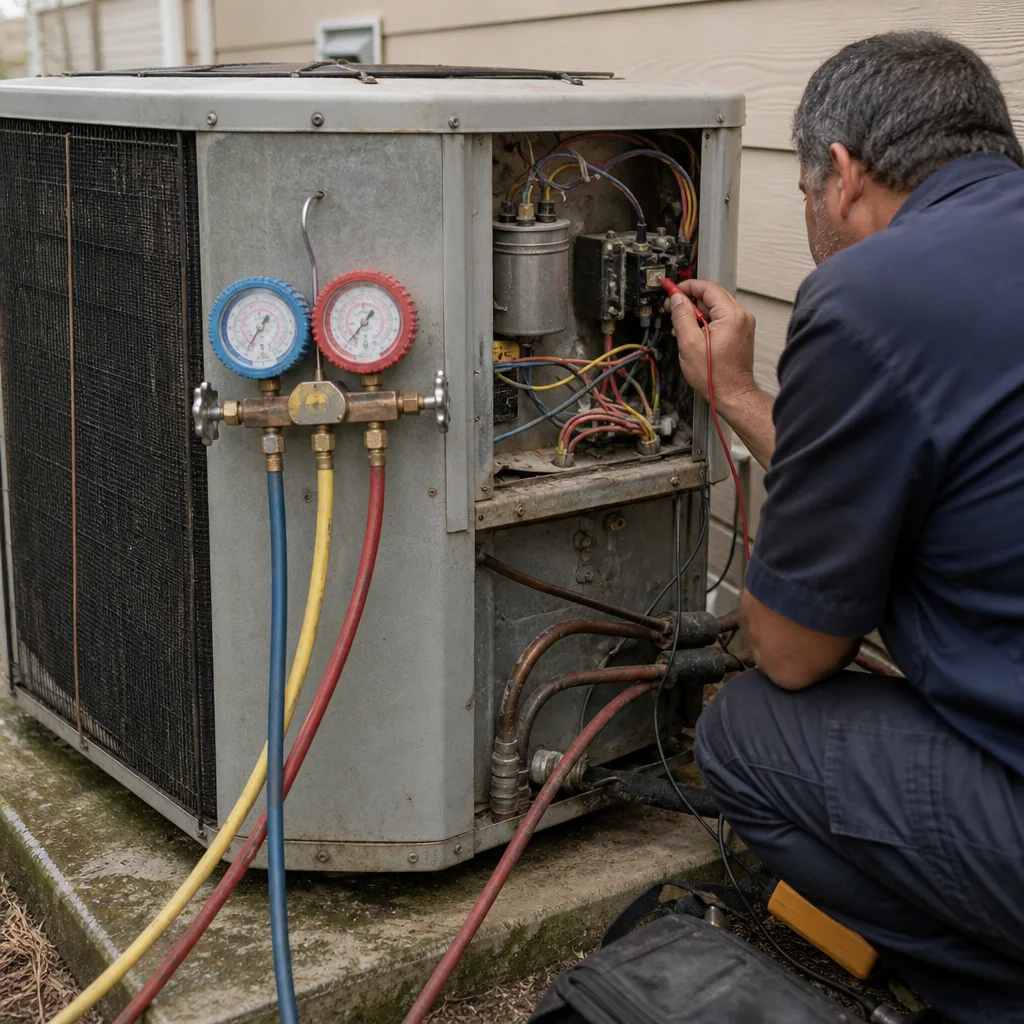
The second is refrigerant charge. The technician should verify it against the manufacturer’s specified superheat or subcooling values printed on the unit, and note the numbers on your paperwork. “It’s blowing cold” is not a charge verification, and a system that’s undercharged from day one runs longer and wears its compressor harder every summer.
Third, look at the filter fit. A filter that’s slightly too small or resting crooked lets unfiltered air bypass it and coat the evaporator coil with dust. Fourth, thermostat calibration: ask what the thermostat reads versus a second thermometer in the same room, and confirm the schedule is set. Fifth, coil cleanliness: the indoor and outdoor coils should be visibly clean before the panels go back on, because a dusty coil from a construction or renovation install is a repair bill waiting to happen.
Every one of those checks takes minutes. Skipping any of them is how a good new system in a Pasadena home starts its life already behind. We walk through this list on every AC installation we’re part of, and we’ll show you the numbers on paper.
Refrigerant Charge: Why “It Feels Cold” Isn’t a Measurement
Refrigerant charge is the single most consequential thing an installer can get wrong, and it’s the hardest for a homeowner to verify without the right tools. That’s why you ask for the measurement, not the feeling.
A system’s charge is correct when the superheat or subcooling reading matches the manufacturer’s specification for that model, at that outdoor temperature, with that indoor load. Those numbers live on the data plate and in the installation manual, and a trained technician reads them off the gauges and writes them down. A system that’s 10 percent off spec still cools a room on a mild day, which is exactly why guesswork passes. Then August in Pasadena arrives, the system has to run longer to hit setpoint, and the compressor carries a load it wasn’t designed for.
Ask the technician three questions before they leave:
- What did you read for superheat or subcooling, and what does the spec call for?
- What was the outdoor temperature and indoor return temperature when you took the reading?
- Can you write both numbers on the invoice or startup sheet?
Manufacturers warranty compressors for years, and a component failure claim frequently turns on whether the system was charged and maintained to spec. A written startup reading is your best defense if a compressor claim is ever questioned. It’s also a fair question to ask an installer before you hire them. An installer who can’t tell you what superheat is, or who says they go by feel, isn’t the right fit for a system that has to run through a long Pasadena cooling season.
The 30-Day Post-Installation Inspection for Pasadena Humidity
Thirty days after installation is when the small problems that didn’t show on day one have had a chance to announce themselves. In Pasadena, that inspection should focus on anything water touches, because humidity is the local variable that does the most quiet damage.
Start with the drain pan. It should be dry at the edges and have no pooled water, no slime film, and no discoloration. If you see any of the three, the drain isn’t doing its job yet. Next, look at the evaporator coil through the access panel if the manufacturer gives you a view, or ask a technician to confirm it’s still clean. A brand-new coil that’s already gray with dust at 30 days means air is bypassing the filter, which usually points back to fit or to gaps around the filter rack.
Check the filter itself. It should look dirty but not collapsing, and it should seat flush with no visible gaps at the edges. If the filter is matted and dark after a month, either the MERV rating is too high for your system’s airflow or there’s a return-air leak pulling in attic dust. Third, calibrate the thermostat against a separate thermometer in the same room. A thermostat reading two degrees off its actual condition makes the system run longer than it should, every single cycle.
The 30-day walk-through is short: about fifteen minutes with a flashlight and a thermometer. Do it in writing. Note the date, what you saw, and any follow-up a technician did. That note becomes the first entry in the maintenance log that carries your warranty later. Homeowners in Pasadena who do this simple inspection consistently catch filter and drain issues in the first month, while they’re still a quick fix rather than a compressor problem.
Annual Maintenance Intervals That Fit Pasadena’s Run Hours
Manufacturer maintenance schedules are usually written as a yearly cadence with a footnote “or as needed based on run hours.” In Pasadena, run hours are the operating variable that puts you at the high end of that recommendation. Long, humid summers mean a Pasadena AC system logs more hours of compressor run time than a system in a drier, hotter city where the equipment cycles less and humidity recovery isn’t part of the load.
That reality changes the schedule in a few practical ways:
- Filter changes: every 30 to 60 days through cooling season rather than the “every three months” default. Humidity keeps windows and doors used more, which pulls outdoor dust in faster.
- Coil cleaning: the indoor evaporator coil inspected at six months and cleaned as needed, not once a year. The outdoor coil needs a rinse quarterly (see below).
- Drain line flushing: every six months, or every three in homes with pets or heavy outdoor dust. A blocked condensate line is the most common Pasadena cooling failure for a very boring reason: it’s the one part of the system that depends on gravity alone.
- Full tune-up: once a year at the start of cooling season, plus a heating-side check before the first cool snap. Heating and cooling share components, and one contractor covering both sides means nobody has to re-open the system twice.
The right cadence is on the tighter end of the manufacturer’s range, but keeping it ordered in a single log is the only way to prove you followed it. That log is the subject of the next section.
How to Document Maintenance So Your Warranty Holds
Most manufacturer warranties on compressors and coils are valid only when the system has been maintained to the manufacturer’s schedule, and a component failure claim is where that requirement gets tested. The company reviewing your claim will ask, politely, for your maintenance records. If you don’t have them, the claim can be denied on paperwork grounds even when the failure was a manufacturing defect.
Build a maintenance file the day the system is installed, and keep it in one place: a folder, a cloud note, or a paper log taped inside the air handler door. It needs to capture six things for every service visit:
- Date of service and who performed it (company name is enough).
- What was done: filter change, coil cleaning, drain flush, tune-up, refrigerant check.
- Any readings taken, especially superheat or subcooling and temperature split.
- Parts replaced, with part numbers where available.
- Any notes the technician left about a component to watch.
- Your copy of the invoice, with the service description visible.
The old cliché is that warranties are designed to be voided, and while that’s unfair to most manufacturers, the practical version is true: they’re enforced on documentation. A homeowner who can produce three years of tune-up receipts and filter records has a very different conversation with a warranty department than one who says “I’m sure somebody came out, I just don’t remember when.” We hand every Pasadena customer a written report after each visit for exactly this reason, so the record is theirs to keep.
One more thing: photograph the installation. The data plate, the serial number, the indoor coil label, and the outdoor unit label, all with your phone. If the unit ever needs to be identified for a warranty claim, those photos save days of back-and-forth.
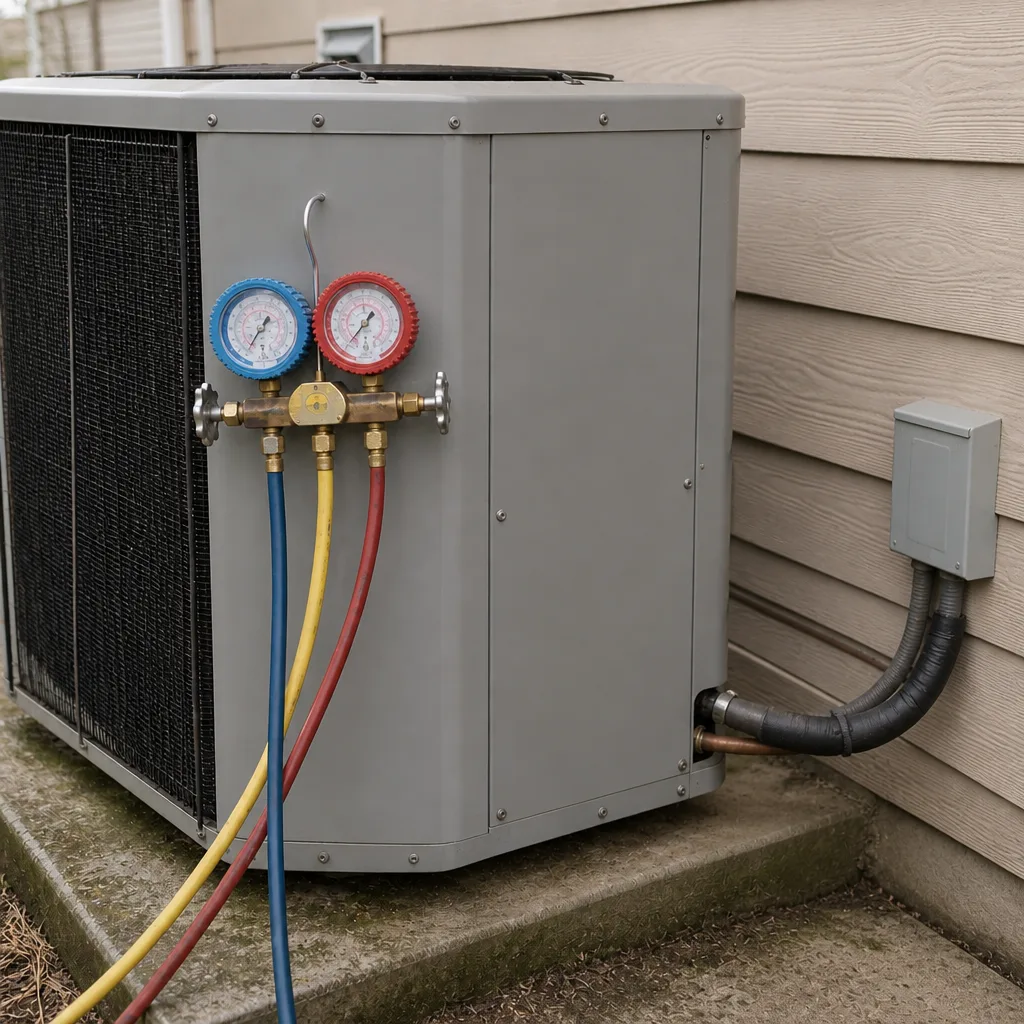
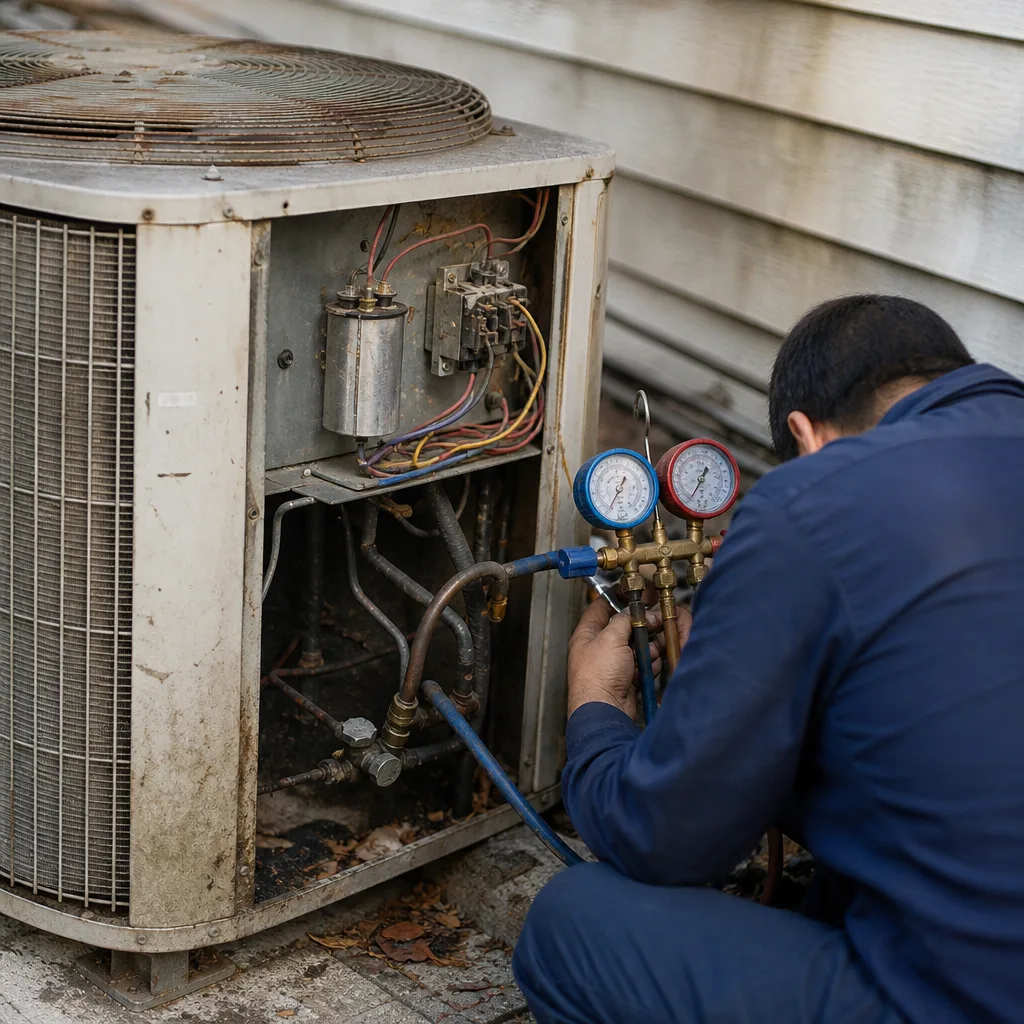
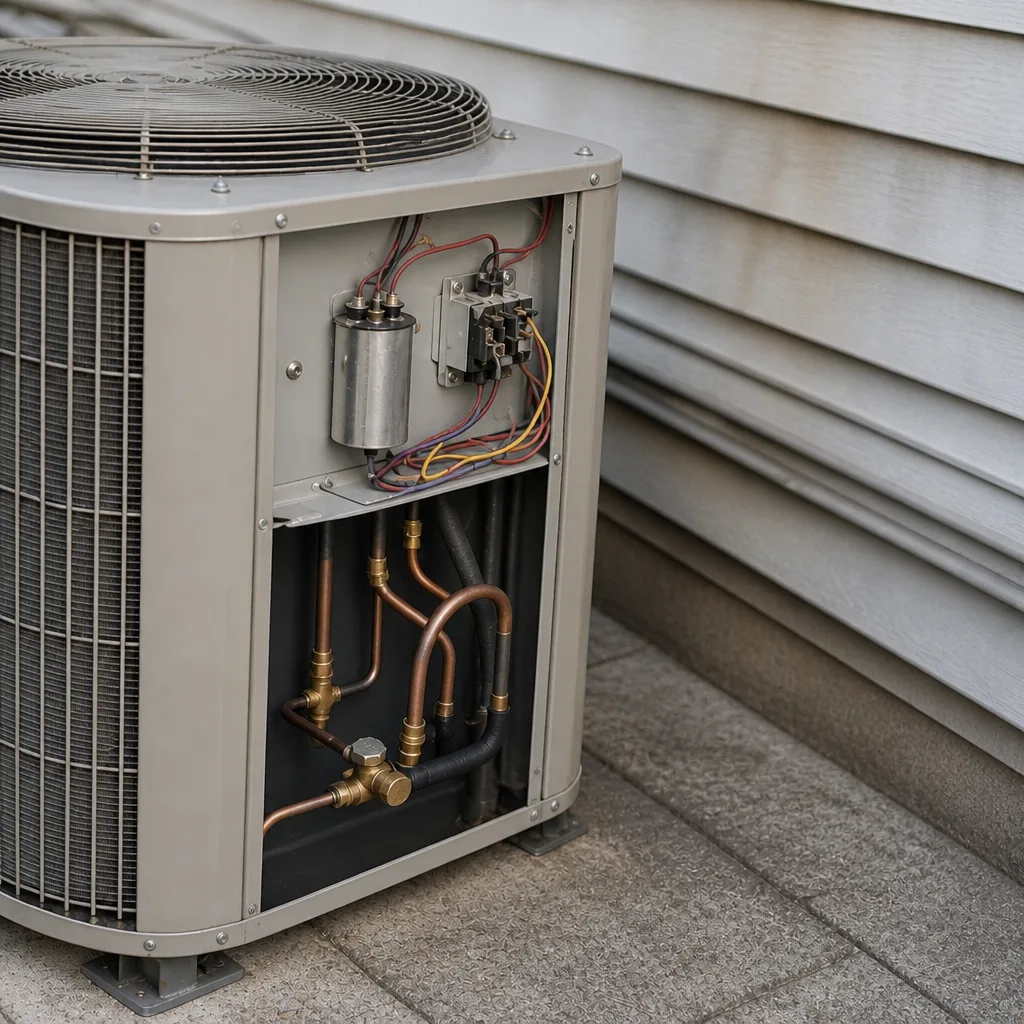
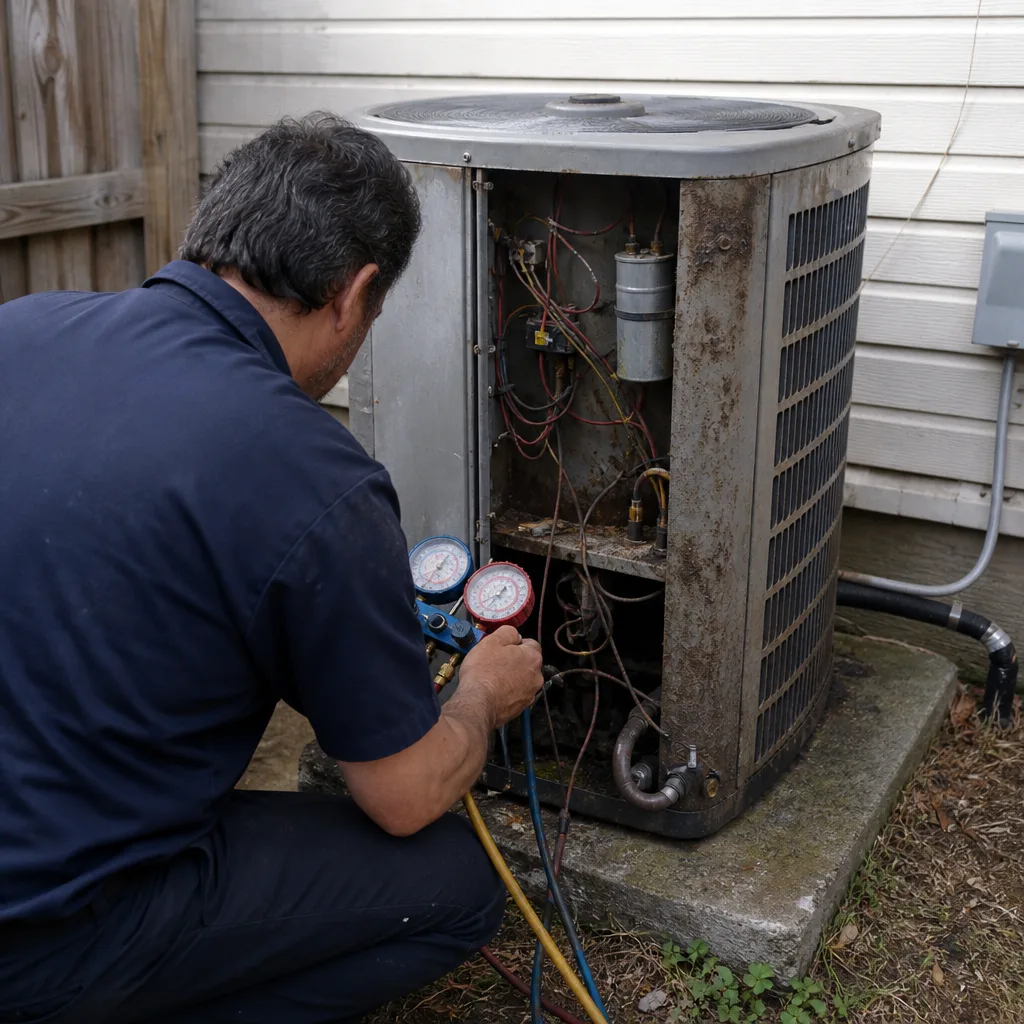
See the difference
 Before
 After
 Before
 After
 Before
 After
The One Task You Can Safely Do Yourself: Outdoor Coil Rinsing
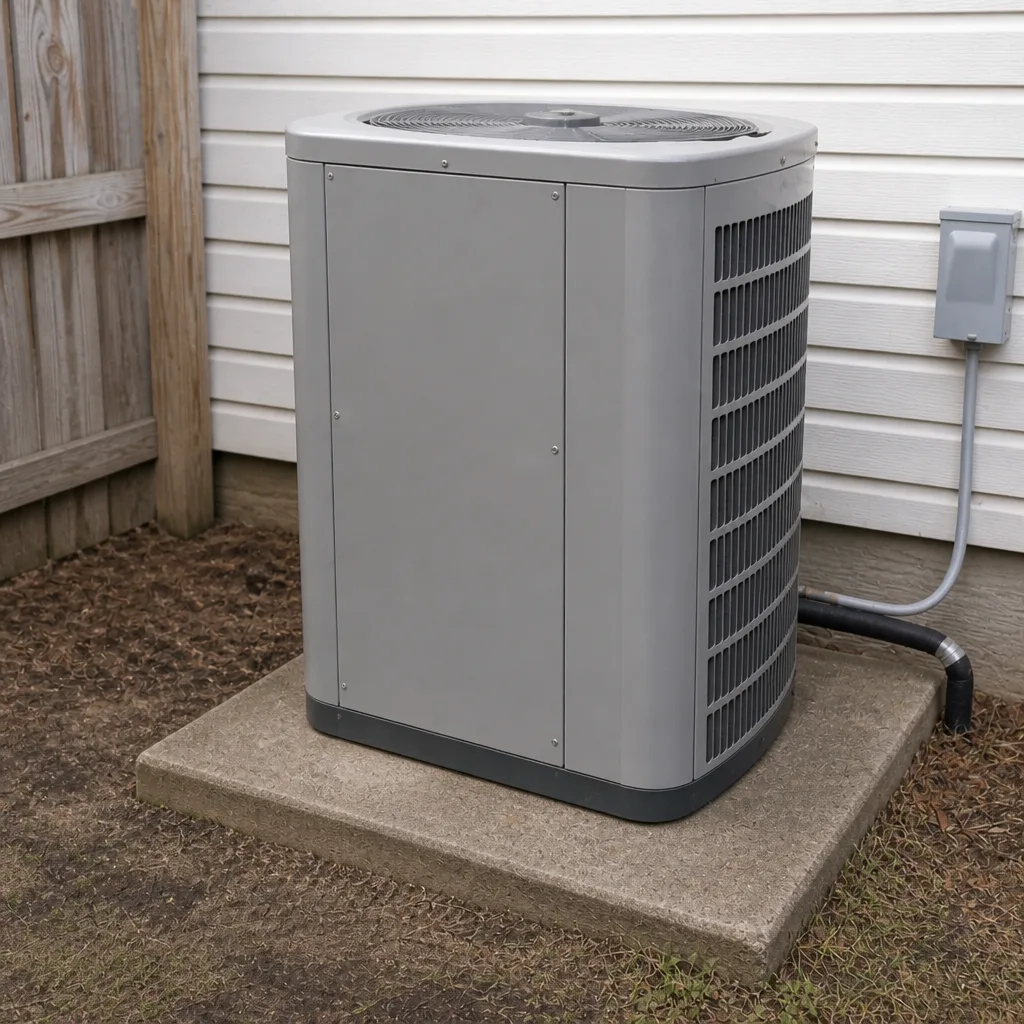
There is one maintenance task most homeowners should do on their own, quarterly, and it pays for itself in compressor life: rinsing the outdoor condenser coil. It’s low risk, it takes ten minutes, and it directly reduces the load the compressor has to work against on every one of those long Pasadena summer run hours.
The outdoor coil is the finned panel that wraps the outside of the condenser cabinet. It pulls outdoor air through itself, which means it also pulls in pollen, dust, lawn clippings, and whatever else is airborne in your yard. A coil that’s glazed with dust forces the compressor to work harder to reject heat, and over a few seasons that extra load is what shortens its life. Rinsing it removes the layer that builds up.
Do this with the system off at the thermostat. Use a garden hose on a gentle spray, and work from the inside of the coil outward if you can reach it, or from the top down through the fins. Don’t use a pressure washer, because the fins are thin and crush easily, and don’t use a nozzle that sprays a hard, narrow jet for the same reason. If the fins are bent or matted, note it and let a technician straighten or clean them. If the coil looks oily or has a visible crust, that’s beyond rinsing and worth a professional cleaning.
What you should not do yourself: anything inside the air handler, refrigerant work, electrical panel work, or opening the refrigerant circuit. Refrigerant systems are under pressure, and improper handling can cause serious injury, so leave that to a trained professional with the right tools. Everything on the outdoor cabinet that doesn’t involve a wrench is fair game.
What Changes When Your System Is a Carrier, Trane, or Bryant
The checklist above applies to every brand, but a new system’s documentation and drain layout do vary by manufacturer, and knowing which one you have keeps you from chasing the wrong numbers. The startup sheet that comes with a Carrier or Trane system lists specific superheat or subcooling targets and a recommended drain configuration. Bryant equipment typically ships with a similar startup sheet, though the drain trap orientation on some models is documented in a separate installation manual rather than on the sheet itself. American Standard and Trane share engineering platforms, so a technician trained on one has a head start on the other.
The practical takeaway: pull the manufacturer’s installation manual from the internet using the model number on the data plate, bookmark it, and give a copy to whoever services the system. Your maintenance log should reference the manufacturer’s specified intervals, not a generic one-size-fits-all schedule. That’s part of why brand fluency matters. Our technicians are certified to work on nine leading manufacturers, including Carrier, Trane, Lennox, Goodman, Rheem, York, Daikin, Bryant, and American Standard, so a Pasadena homeowner doesn’t need to call a different company when the equipment changes or the seasons turn. Whatever brand you have, we know it, and that extends from the first tune-up through mid-life furnace repair and eventually replacement.
Common Mistakes to Avoid
Even careful homeowners fall into these. Each of them is preventable, and each shows up in Pasadena homes often enough that we keep a mental list.
- Skipping the on-site verification because the crew is in a hurry. The five checks before the installers leave take about ten minutes, and confirming refrigerant charge and drain slope is the difference between a system that lasts and a compressor claim two summers from now.
- Using a high-MERV filter to “be safe.” Restrictive filters choke airflow, and in a humid Pasadena home that means a cold, wet evaporator coil and a system that runs longer. Match the filter to the manufacturer’s airflow spec, not to the highest number on the shelf.
- Letting the condensate drain go unflushed because the pan “looks dry.” By the time a pan shows water, the drain is already blocked and the mold has started. Flush on schedule and check the cleanout.
- Rinsing the outdoor coil with a pressure washer. It crushes fins and reduces heat transfer, which is the opposite of what the rinse is supposed to do. Use a garden hose and gentle spray.
- Treating maintenance as optional once the warranty period starts winding down. The manufacturer warranty is the highest-value thing on the system, and it’s conditional on documented maintenance. Don’t let the paperwork lapse.
- Calling a different contractor for the heating side in winter. Splitting heating and cooling between two companies means two maintenance logs, two sets of startup sheets, and no single party accountable if a shared component fails.
- Trusting “feels cold” as a performance measurement. A system can cool a room and still be badly charged. Ask for readings, and put them in writing.
When to Call a Professional
Some tasks in this guide belong in your hands. Others call for a trained technician with gauges, a meter, and the manufacturer’s specifications for your model. Call a professional if you notice any of the following: water standing in or near the air handler, ice forming on the indoor or outdoor coil, the system running continuously without reaching setpoint, a burning or musty smell at the thermostat or vents, refrigerant readings that don’t match the manufacturer’s startup sheet, or a warranty claim on a component. Rinsing the outdoor coil, changing filters, and noting the drain condition are safe for most homeowners; opening the air handler, touching electrical components, or handling refrigerant is not. If the system is more than a decade old and you’re facing a major repair, it’s also worth a professional opinion on whether a repair is the right call versus replacement, rather than a guess based on the price of the part alone. Paragon AC Repair offers free estimates in Pasadena and can review your maintenance log against the system’s actual condition. Call (866) 982-5097. We answer 24/7. Fast dispatch from 7am to 7pm, Sunday through Friday.
Frequently Asked Questions
Every 30 to 60 days during cooling season in a typical Pasadena home, and more often if you have pets or live near an active construction site. Pasadena’s humidity means windows and doors get used more, so outdoor dust comes in faster than in drier climates. A matted filter after a month points to either the wrong MERV rating or a return-air leak, and either one should be checked before the next filter goes in.
You can and should handle filter changes and quarterly outdoor coil rinsing; those are safe and effective for any homeowner with a garden hose. Everything inside the air handler, plus refrigerant, electrical panel work, and any disassembly, needs a trained professional. Refrigerant is under pressure, and the safety risk of getting it wrong is real, so leave it to someone certified.
Keep a written log of every service visit, including the date, what was done, the readings taken, and a copy of the invoice. Manufacturer warranties on compressors and coils generally require proof that the system was maintained to spec, and a component failure claim without records is a losing argument. Start the log on the day of installation with the startup sheet and photos of the data plate and serial numbers.
Because run hours are higher here. Pasadena’s long, humid cooling season means the compressor logs more hours of operation than a system in a drier climate, and manufacturers write their schedules for an average. The right approach is to treat the manual’s intervals as a floor and tighten them where humidity touches the system: filters, drain flushing, and coil cleaning.
Yes, with the system off at the thermostat and a garden hose on a gentle spray. Never use a pressure washer, because the jets crush fins and reduce the coil’s ability to reject heat. If the coil looks oily or has a crust that a gentle rinse won’t remove, that’s a professional cleaning, not a homeowner job.
It depends on which component failed, what the warranty will cover, and how the rest of the system is holding up. A compressor or coil failure on a young system with a valid warranty is usually a repair; a mid-life system with a failed compressor and out-of-warranty components is often a replacement conversation. A written diagnosis against the manufacturer’s specs is the right starting point before you decide, and a free estimate is the way to get one.
The Bottom Line
A properly installed and documented system is a maintenance contract you write for yourself on day one. The five on-site verifications, the 30-day inspection, and a written log of every quarterly and annual task are what turn a manufacturer warranty into something you can actually use. Pasadena’s run hours mean the schedule should be tighter than the manual says, not looser, and the single most valuable homeowner task is a quarterly rinse of the outdoor coil. Get the startup readings in writing, keep the file, and the system in your Pasadena home will last closer to its design life than one that goes un-maintained.
If you want a second set of eyes on the installation, a maintenance walk-through, or a written report that will stand up to a warranty claim, call Paragon AC Repair at (866) 982-5097 for a free estimate. We answer 24/7. Fast dispatch from 7am to 7pm, Sunday through Friday. One contractor, every season, from the first installation checklist through the last replacement.
To learn more about our full range of services, start with Paragon AC Repair.
Written by the team at Paragon AC Repair.