
Last updated November 15, 2026
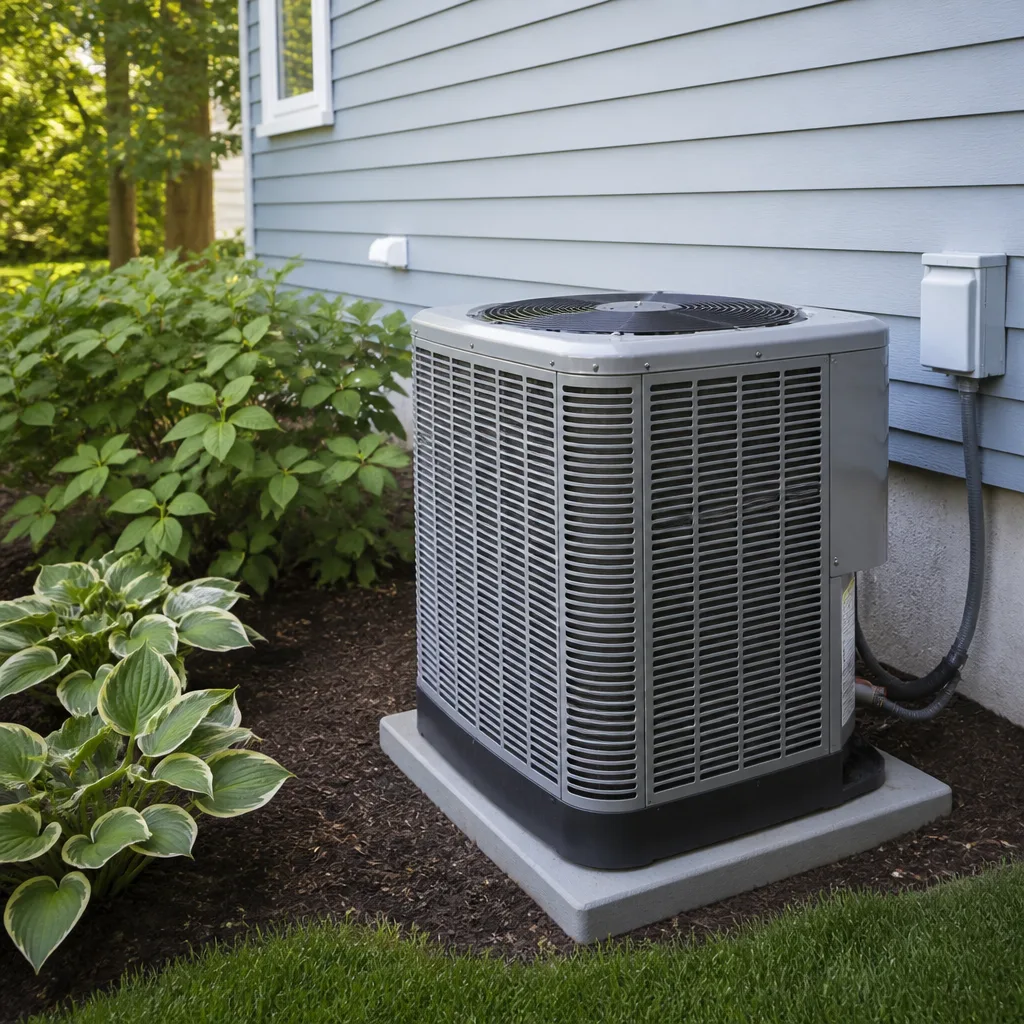 AC repair
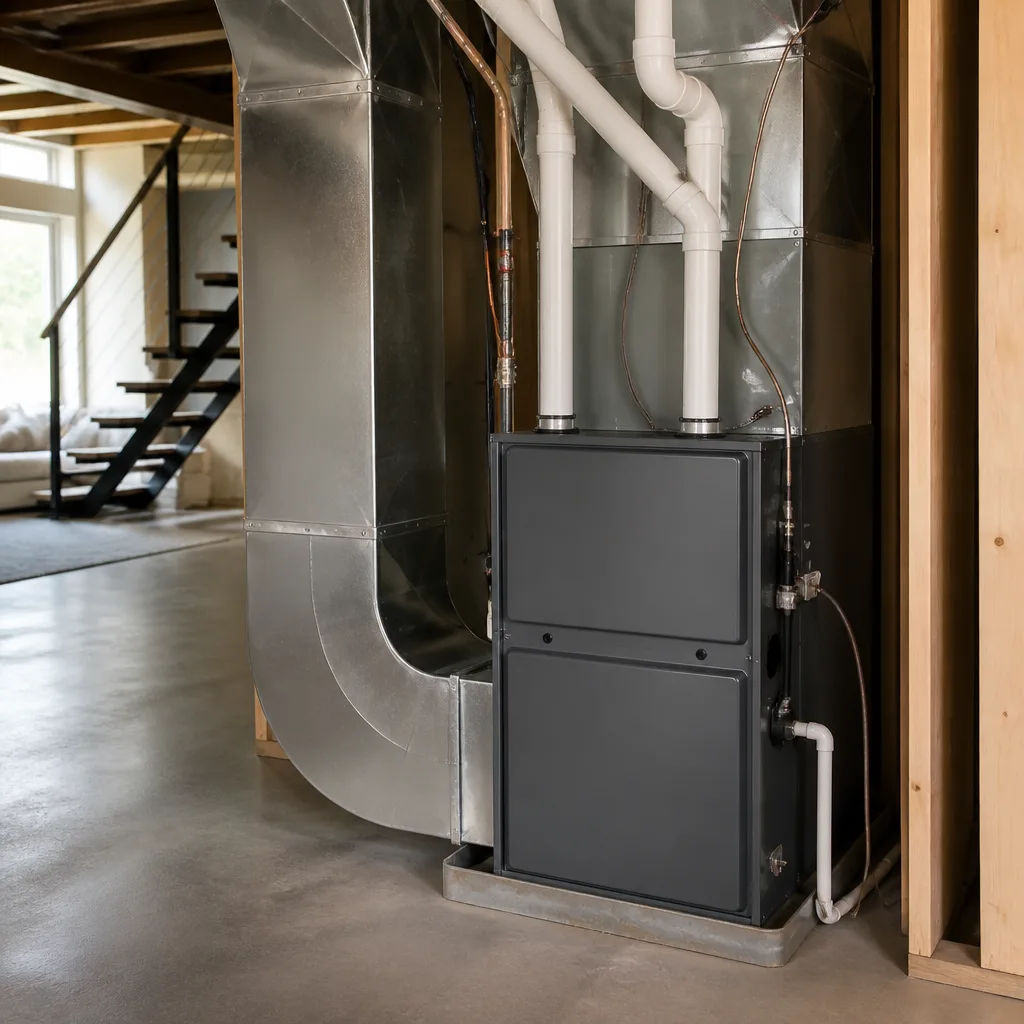 Furnace & heating
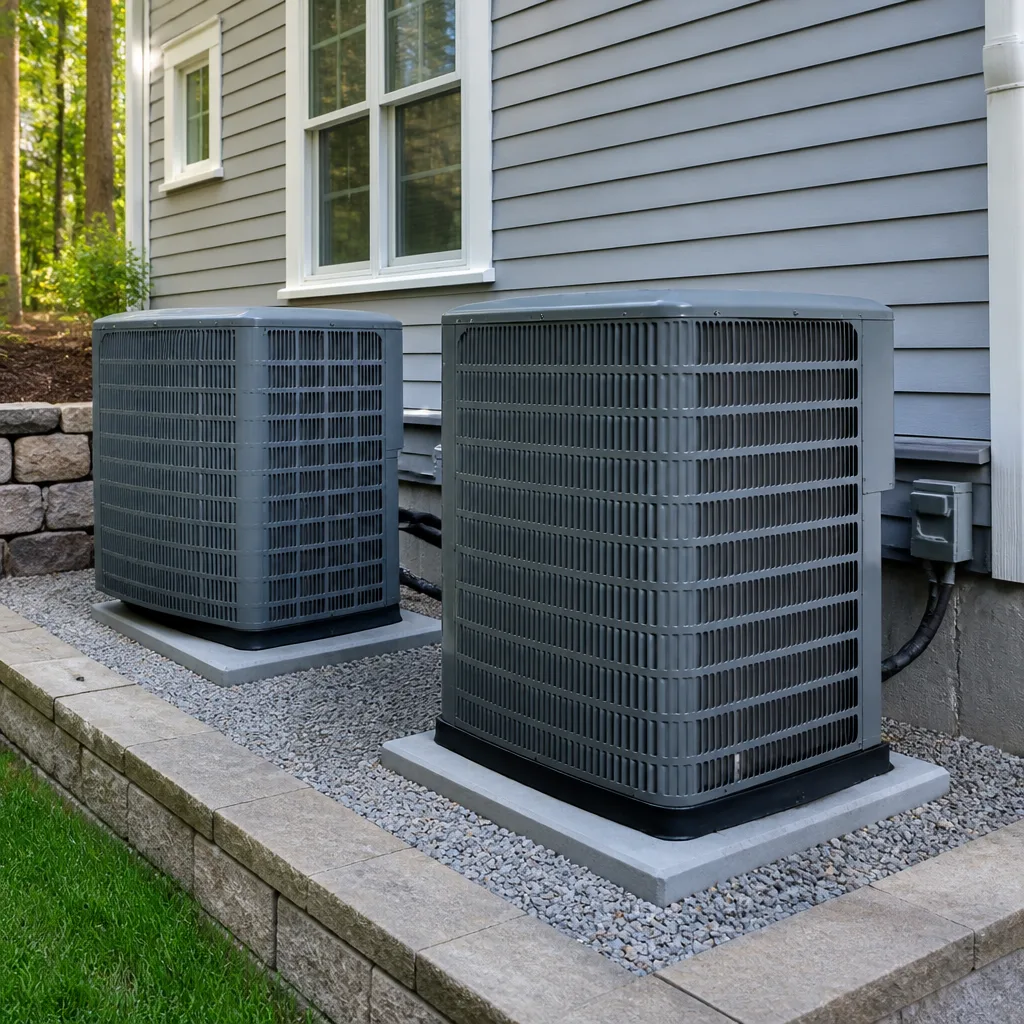 Heat pumps
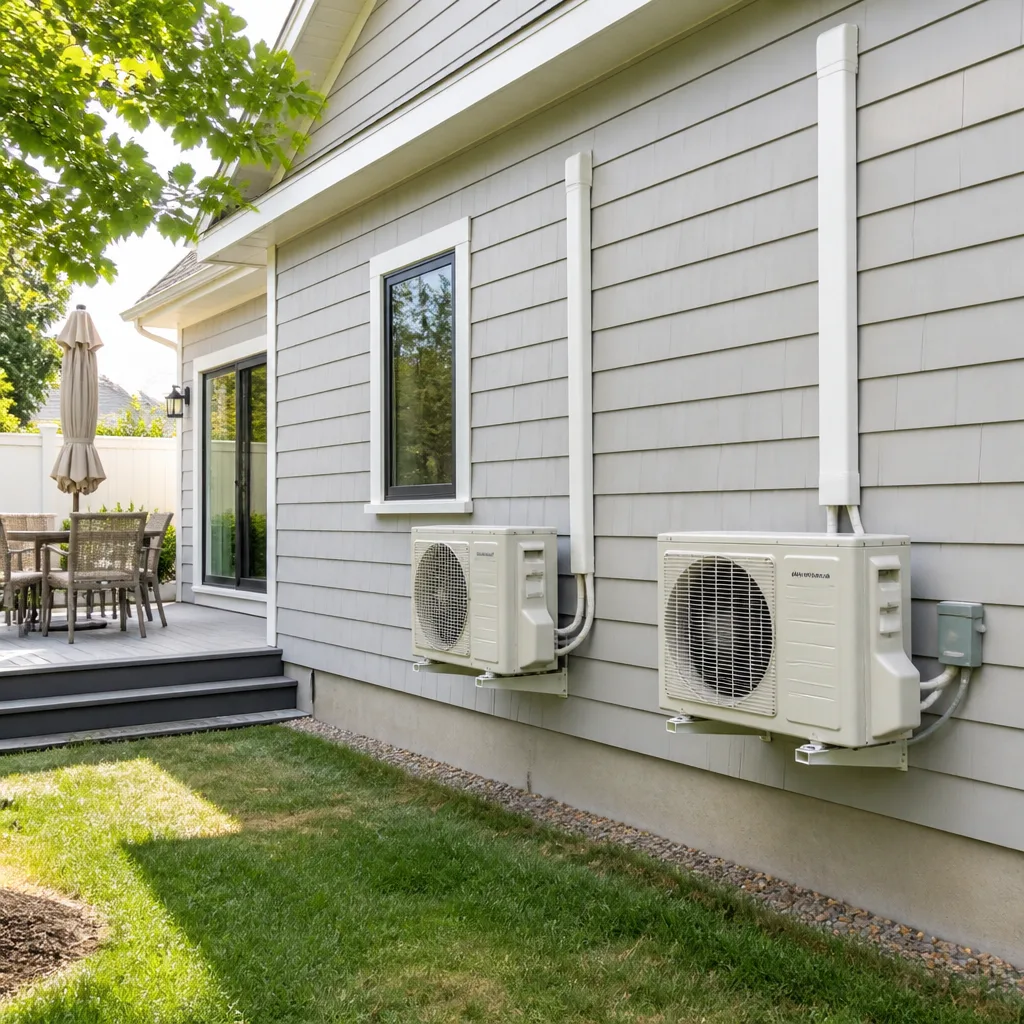 Ductless mini splits
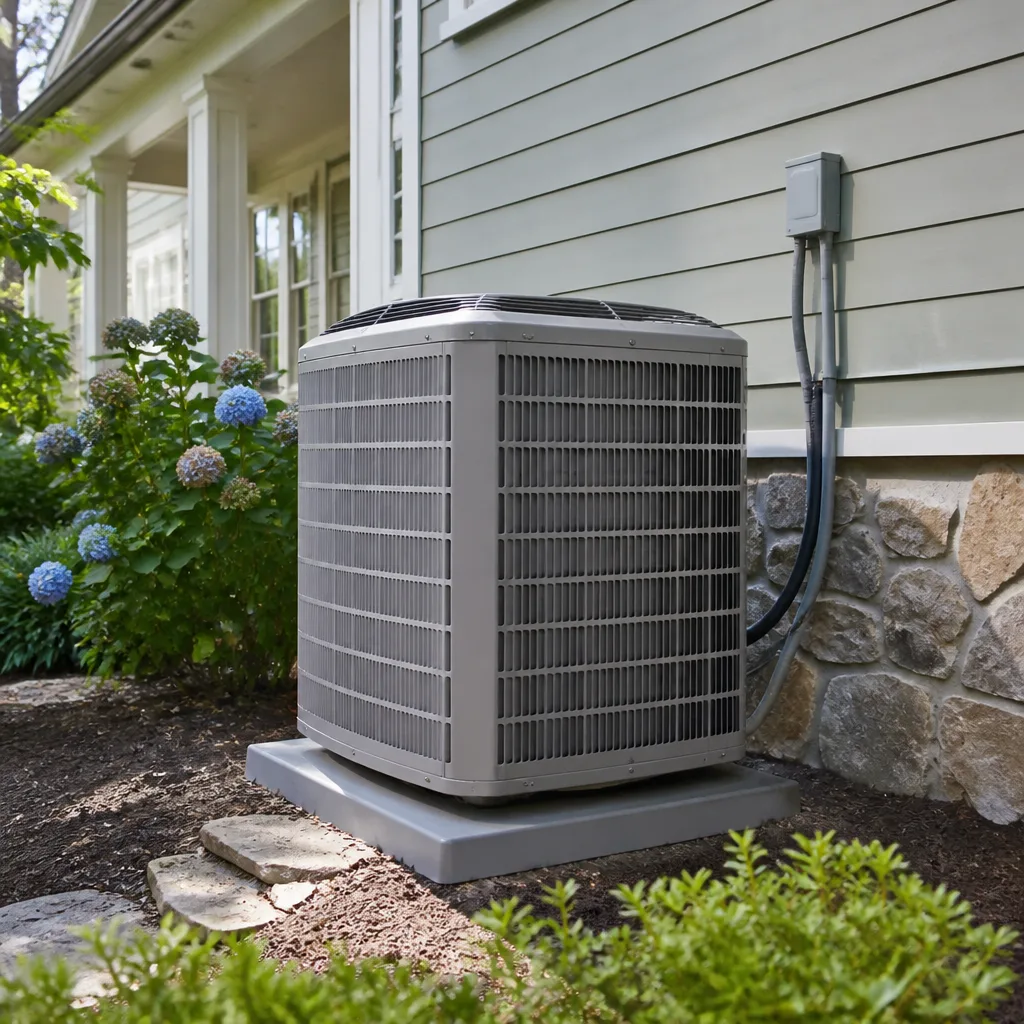 Carrier
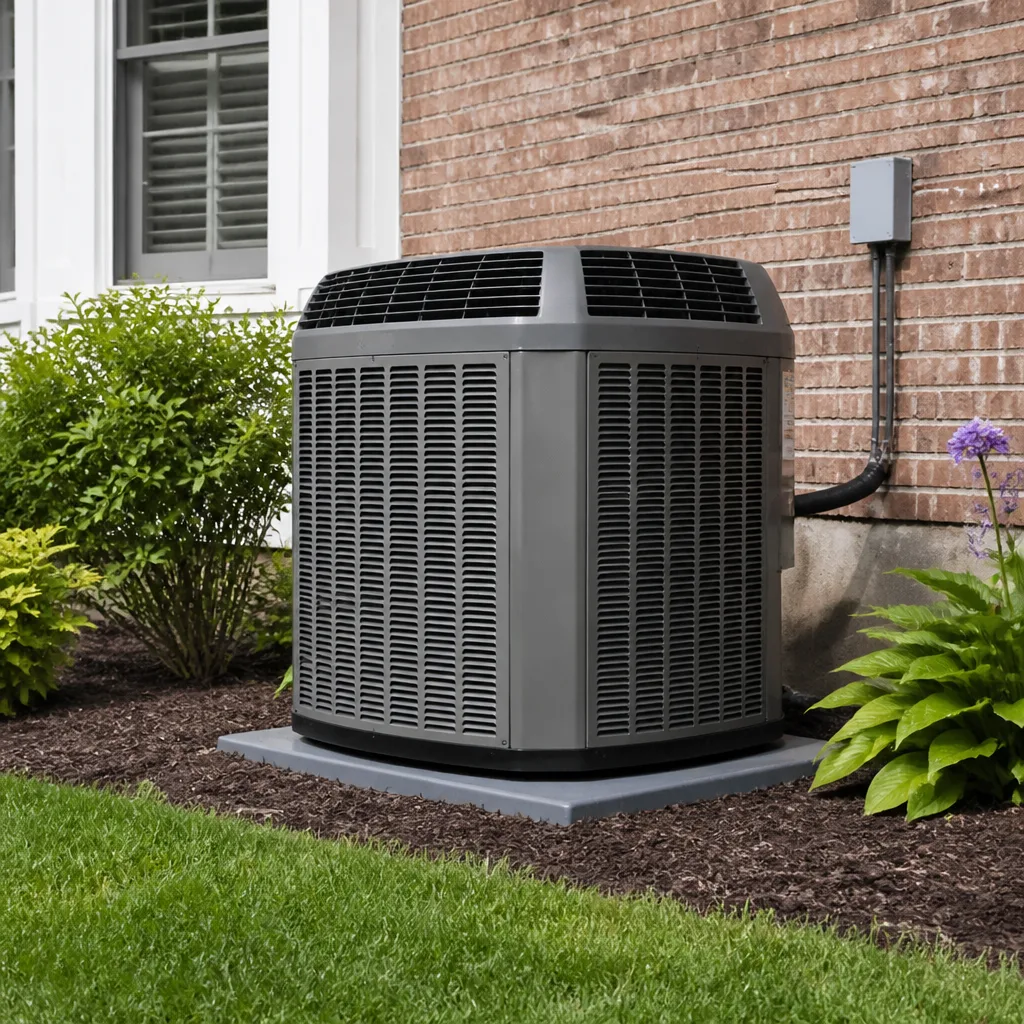 Trane
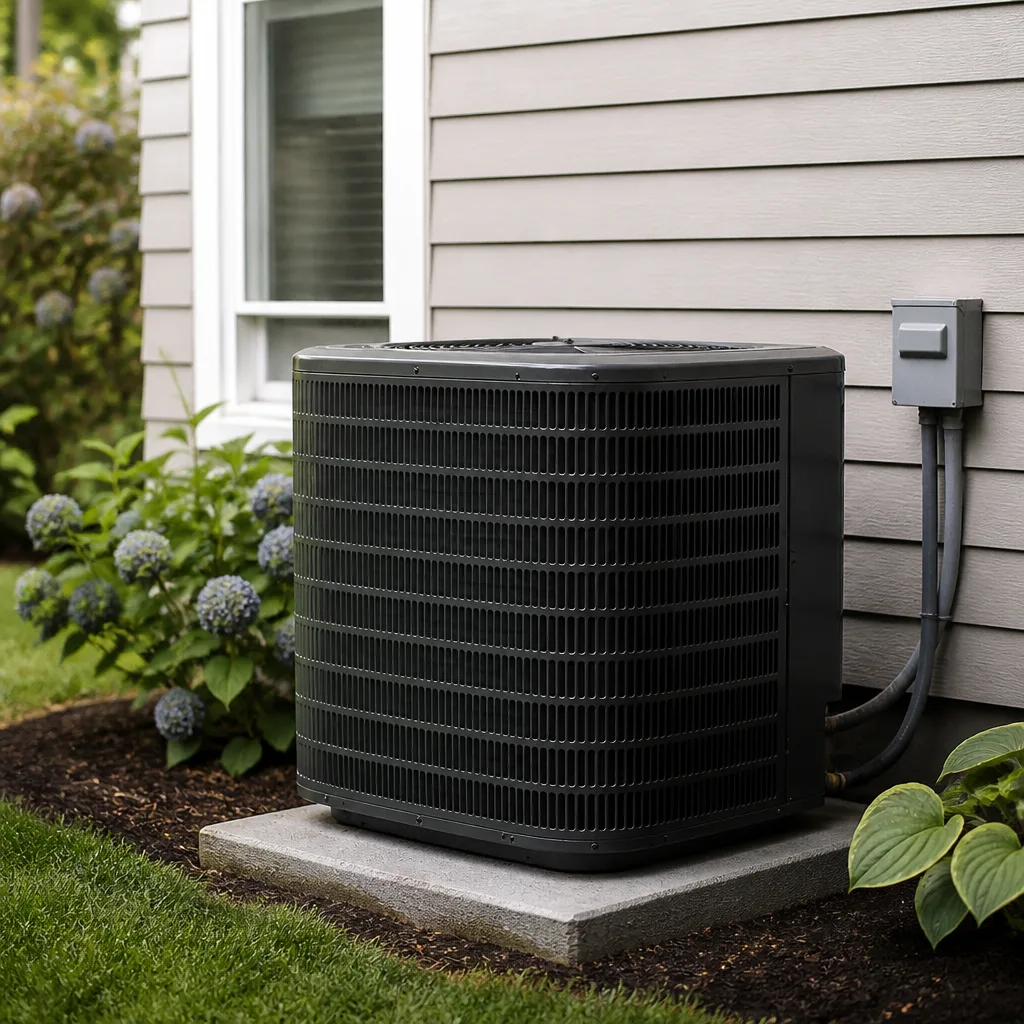 Goodman
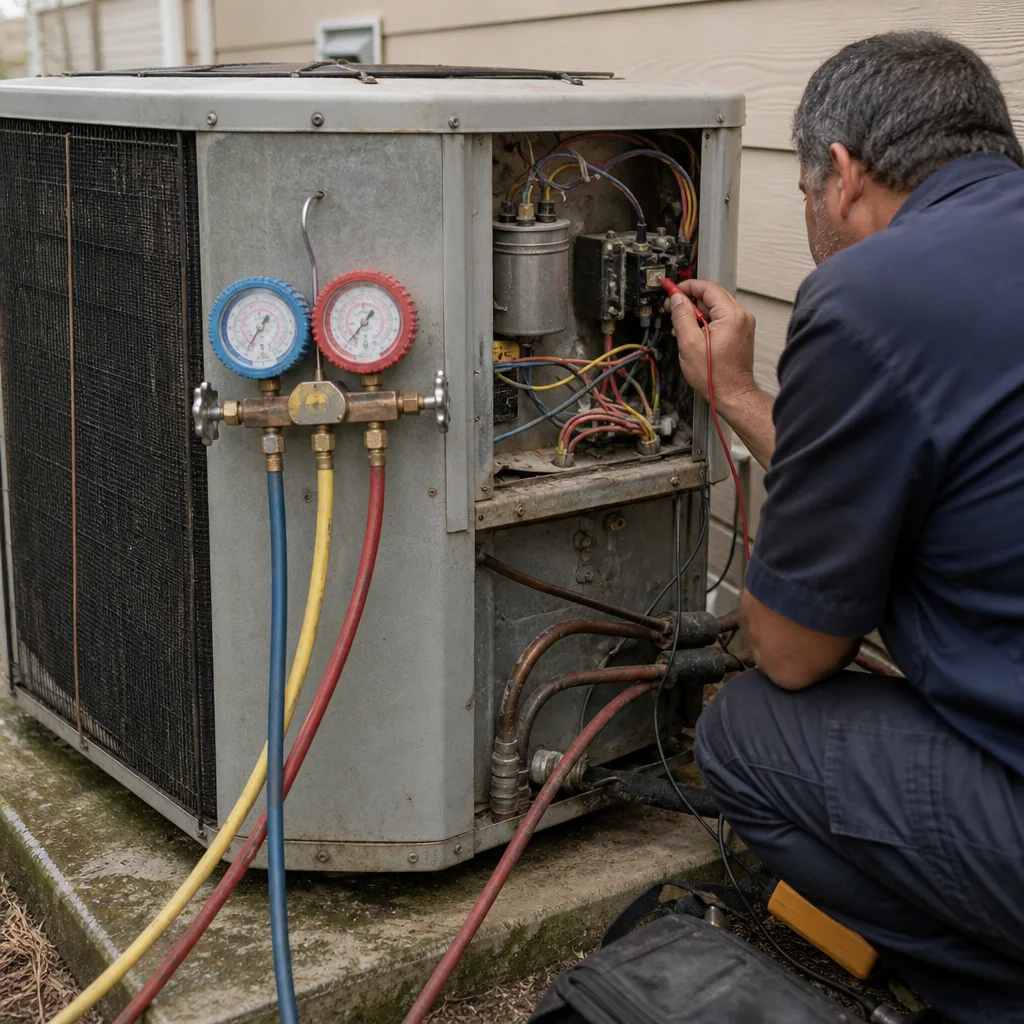
Seasonal tune-up and full diagnostic on your Carrier, Trane, or Goodman system - readings shown to you before any repair is proposed
Diagnosis first, numbers second - you approve the repair price before a single part goes in.
Get your free estimateChoosing the Right HVAC Brand: A Buyer’s Guide for Pasadena
Here’s the part most buying guides skip: a system’s rated efficiency tells you how it performs in a lab, not how it lives in a Pasadena attic. Two units can carry the same efficiency label and behave very differently after several summers of Gulf Coast humidity and heat cycling. The difference usually comes down to coil construction, parts support in the Houston metro, and how the manufacturer handles warranty claims in a humid climate. Brand choice matters, but not in the way the national rankings suggest. In this guide, we’ll walk through what actually determines long-term performance in a Pasadena home, how the premium and value brands really compare, and why the person installing the equipment often matters more than the nameplate on it.
Quick Answer
The right HVAC brand for a Pasadena home is the one with corrosion-resistant coil construction, fast parts availability in the Houston metro, and a warranty process that works in a high-humidity climate, paired with a contractor who knows how to install it correctly. Premium names like Trane and Carrier and value-tier names like Goodman can all perform well here when specified and installed properly. The brand is one variable; installation and service quality are the others, and they’re often the bigger ones.
Styles & brands we work with
- AC repair
- Furnace & heating
- Heat pumps
- Ductless mini splits
- Carrier
- Trane
- Goodman
Table of Contents
- Why the Efficiency Label Doesn’t Tell the Whole Story
- How Coil Construction Affects Durability in Pasadena
- Parts Availability: A Reality Check for the Houston Metro
- Warranty Registration, Transfer, and Claims
- Premium vs. Value Brands: A Time-Horizon Decision
- Why Contractor Expertise Outweighs Brand Loyalty
- A Step-by-Step Approach to Choosing Your Brand
- Common Mistakes to Avoid
Why the Efficiency Label Doesn’t Tell the Whole Story
Efficiency ratings are measured under standardized test conditions. They’re useful as a baseline, but they don’t predict how a coil will hold up when it’s cycling through humid air day after day in a Pasadena summer. A unit rated at a higher efficiency tier with a poorly protected coil can lose a meaningful share of its real-world capacity within a few years, while a lower-rated unit with better coil protection may still be performing near its rated numbers. That gap is invisible on the showroom spec sheet.
What actually shapes long-term performance in Pasadena’s climate:
- Humidity load. Coastal Gulf humidity puts constant moisture stress on the indoor and outdoor coils. Coils that shed condensate well and resist oxidation last longer.
- Airflow and static pressure. Undersized ductwork or a poorly balanced return can drive up static pressure and reduce airflow, which forces the system to run harder and shortens equipment life.
- Refrigerant charge accuracy. Even a great brand underperforms if the charge tolerance for that specific system isn’t respected during installation.
- Heat cycle stress. Pasadena’s long cooling season means the compressor and contactor run for months at high duty cycles. Component quality and assembly tolerance matter more here than in a mild-summer climate.
This is why a brand-agnostic approach pays off on a page about choosing brands. We’re certified to service nine of the industry’s leading manufacturers, including Carrier, Trane, Lennox, and Goodman, so we can talk about how each one actually behaves in the field. When you’re comparing brands and contractors, ask how the equipment will be specified for your specific house, not just what’s on the box. That conversation is the first real test of any HVAC relationship in Pasadena.
How Coil Construction Affects Durability in Pasadena
Coil construction is where the biggest durability differences hide. The coil is the heat exchanger that meets the air, and in a humid climate it spends a lot of its life wet. Four construction types show up in residential equipment, and each handles moisture differently.
- Aluminum-only coils. Aluminum doesn’t rust in the traditional sense, but it can still oxidize and pit in a humid environment. Without a protective coating, aluminum-only designs tend to be the entry point for coil failure over time.
- Copper tube with aluminum fins. Often the most corrosion-resistant combination for the coil circuit itself, with a longer service life than aluminum-only fins in humid conditions. Copper costs more, but it can be worth it for a long-term owner.
- Spine-fin or plate-fin designs. Fin density and fin design affect how well the coil sheds condensate. Denser fins can hold water longer and trap debris, which is worth understanding for Pasadena’s pollen and dust seasons.
- Microchannel coils. Compact, efficient, and common on outdoor units. They perform well when clean, but they demand good filtration and periodic cleaning because their tighter passages clog faster than a conventional fin-and-tube coil.
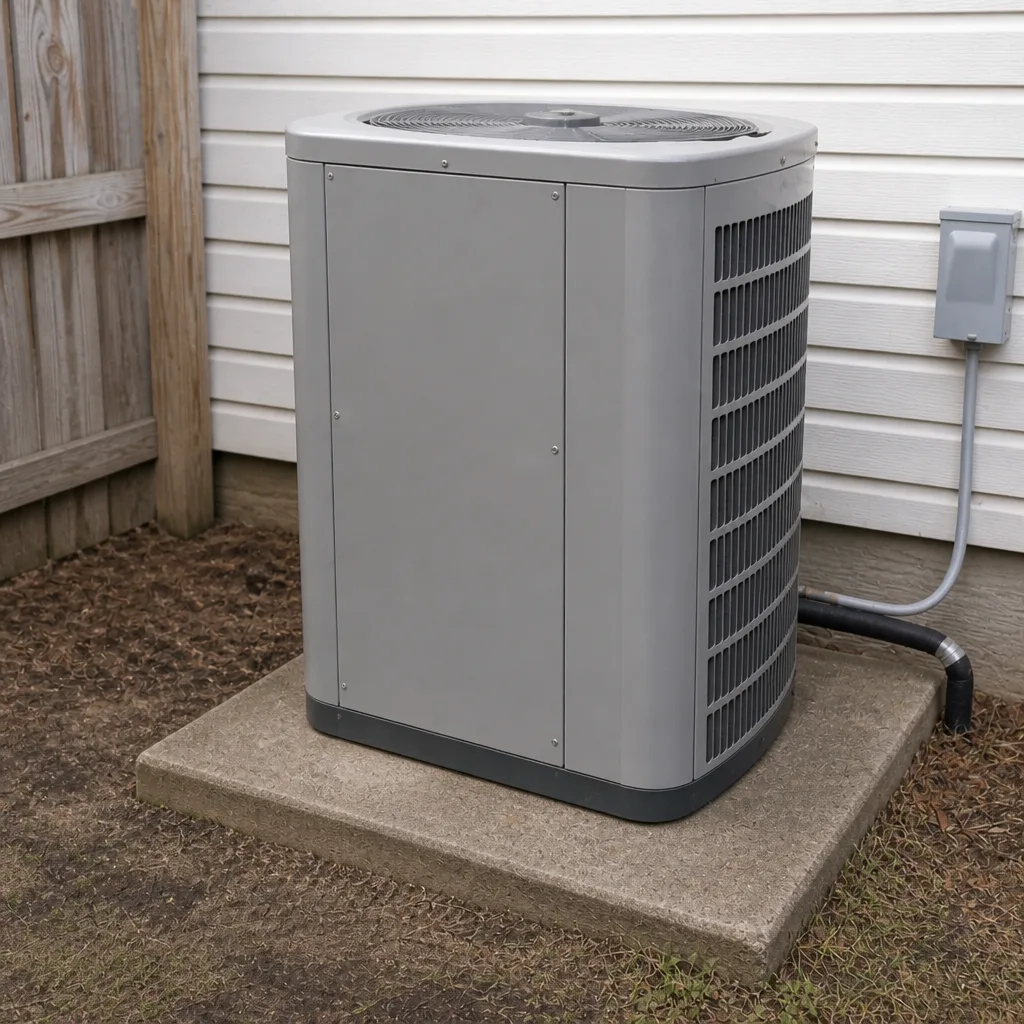
The practical point: a coated or copper-containing coil is usually the more durable choice for a Pasadena home than an uncoated aluminum-only design at the same efficiency tier. Ask for the coil construction and coating specification in writing. A contractor who can’t tell you what the coil is made of is telling you something about their process. Filtration and periodic cleaning also protect whichever coil you choose, which is why we treat filter and coil maintenance as part of the install conversation, not an afterthought once the system is running.
Parts Availability: A Reality Check for the Houston Metro
Parts availability is the difference between a two-day repair and a frustrating week without cooling in August. In the Houston metro, some manufacturers stock common components in distributor warehouses that allow same-day or next-day fulfillment. Others route common parts through freight channels that can stretch to three to seven days. When your condensing fan motor fails in July, that difference matters.
Here’s a numbered way to evaluate parts support before you buy:
- Ask where the nearest distributor warehouse is. A distributor inside the Houston metro is a meaningful advantage for common parts like capacitors, contactors, fan motors, and blower assemblies.
- Ask how long common components typically take to source. If a contractor can’t tell you the realistic timeline for the brand you’re considering, that’s useful information too.
- Ask about less-common parts. Circuit boards, reversing valves, and specialty compressors often take longer regardless of brand. Understand the realistic downtime for those components.
- Ask about alternate-part handling. Some brands allow cross-compatible components when a specific manufacturer part is back-ordered, which shortens repair timelines. Not every brand does.
- Consider what your home can tolerate. A single-system home in Pasadena is more exposed to parts delays than a home with a zoned or multi-system setup.
This is also a good place to point out that emergency comfort matters here. Gulf heat is not a small inconvenience. That’s why a brand with distribution inside the Houston metro deserves real weight in a Pasadena purchase, and why parts support is something we look at carefully when we recommend equipment. When cooling matters, ask about parts before you sign, not after.
Warranty Registration, Transfer, and Claims
Warranty paperwork is where a lot of Pasadena homeowners get surprised. Registration deadlines, installer requirements, and transfer rules vary by manufacturer and by equipment tier. A great-sounding warranty can quietly evaporate if a box isn’t checked or a registration isn’t filed with the right installer credentials.
What to confirm before the install is scheduled:
- Registration is filed by the dealer. Many manufacturers require the installing dealer to register the equipment within a set window after installation. If you’re buying through us, we handle that paperwork and confirm it was recorded.
- Installer licensing or certification requirements. Some brands require a licensed or certified installer for the full warranty to activate. Confirm this with the manufacturer’s published terms for the specific equipment line you’re considering.
- Warranty transfer terms. If you’re buying a Pasadena home with recently replaced equipment, ask for proof of installation and any transferable warranty paperwork. Some brands allow a one-time transfer, others limit it, and some don’t allow it at all. Get it in writing.
- Claim process and labor coverage. Equipment warranties cover parts. Labor is usually separate. Ask what labor coverage is included and whether it’s provided by the manufacturer or the dealer.
- Keep the record. Save the model and serial numbers, the install invoice, and the registration confirmation. A missing serial number is the most common reason a claim stalls.
For a Pasadena homeowner with a long time horizon, a brand that ships with a clean, transferable warranty and a dealer-friendly registration process is often worth more than a slightly higher nominal efficiency rating. It’s the kind of detail that rarely makes a spec sheet but decides how a claim goes.
Premium vs. Value Brands: A Time-Horizon Decision
The premium-versus-value question isn’t about quality in the abstract. It’s about how long you plan to stay in the home and how much you value having a system built to slightly tighter tolerances and supported by a denser service network. Both categories can be good choices in Pasadena. The right pick depends on your horizon.
For a long-term owner (10+ years in the Pasadena home): Premium names like Trane and Carrier tend to have higher-grade components, tighter manufacturing tolerances, and broader service networks. Paired with a well-constructed coil and a contractor who installs to spec, the advantage shows up later in the equipment’s life, not on day one. A value brand installed well can also reach that horizon. The deciding factor is often how well you can protect the equipment with maintenance, not the badge on the condenser.
For a shorter horizon (roughly 5 years): A value-tier brand like Goodman or Rheem, installed correctly and supported by the same contractor, is a sensible choice. The efficiency and durability gap over a short window is narrower, and the initial cost savings matter more. The critical caveat: the install quality has to be right, or the value advantage disappears fast.
Here’s the pattern in a
- we find useful:
- Long horizon + humid climate + good maintenance record: premium brands often make sense, provided the coil is well-specified.
- Shorter horizon or tighter budget: value brands are viable when installed correctly by a technician who knows the equipment.
- Unknown horizon: focus on install quality and parts support first, brand tier second. That keeps your options open.
- Load calculation before equipment selection. The size of the system is determined by the house, not by what’s on sale. A manual load calculation is standard practice, and skipping it is a red flag.
- Ductwork evaluation. Airflow is part of the system. A great brand paired with undersized or leaking ducts will underperform a value brand with properly sized ductwork.
- Refrigerant charge verification. Charge is set to the manufacturer’s specification for the specific equipment and indoor coil, verified with instruments, not guessed by feel.
- Commissioning. Airflow, static pressure, temperature split, and electrical readings are checked at startup. A written record of those numbers is standard for a serious contractor.
- Follow-through after the invoice. The relationship continues through maintenance, repair, and eventual replacement. A contractor who disappears after the install isn’t much use when a capacitor fails in a Pasadena August.
- Get a load calculation for your house. Correct sizing comes first. Without it, no brand on the shortlist can do its best work here.
- Inspect the ductwork. Airflow capacity, duct leakage, and return sizing are evaluated before equipment selection. The best brand in the world won’t fix a duct problem.
- Check the coil specification. Ask about the coil construction and any protective coating. For a Pasadena home, a coated or copper-containing coil is worth prioritizing.
- Confirm parts support in the Houston metro. Ask about distributor proximity and realistic timelines for common components.
- Confirm warranty activation requirements. Ask about installer licensing/certification requirements, registration, and transfer terms.
- Match brand tier to your time horizon. Premium brands for longer horizons; value brands for shorter ones. Both, installed correctly, work here.
- Ask how the contractor tracks performance after install. A written commissioning report and a maintenance path are signs of a serious contractor, not just a sales operation.
- Buying on efficiency rating alone. The number on the box is measured under lab conditions. In Pasadena’s humid, long cooling season, coil construction and install quality often matter more than a small jump in the rated tier.
- Skipping the load calculation. Oversized or undersized equipment underperforms no matter how good the brand is. A manual load calculation is standard practice before equipment is selected for a house.
- Ignoring the ductwork. Undersized or leaking ducts are common in older Pasadena homes and will quietly drag down a premium system’s performance. Get the ducts evaluated as part of the purchase decision.
- Assuming warranty coverage automatically applies. Registration, installer credentials, and transfer rules vary by manufacturer. A great warranty can be void if the process isn’t followed, so ask for the terms in writing.
- Not asking about parts timelines. A brand supported by distributors inside the Houston metro can get common parts faster than brands relying on multi-day freight. Ask about this before the emergency happens in July.
- Assuming brand loyalty guarantees good service. A familiar brand on the truck doesn’t fix a charge tolerance or airflow problem. The technician’s competence is the deciding factor on almost every call.
- Switching contractors every season. Whoever installs the system should be the ones who know its history. Calling a second company in the heating season means the new technician starts from scratch, and the hand-off costs you time and information.
Whatever the horizon, AC installation done to spec is the deciding variable. Whether you go with a premium brand or a value brand, a proper manual load calculation, correct refrigerant charge, and clean duct design are what actually let the equipment do its job. Heating is the same story. If your plans include furnace work, our furnace repair and furnace replacement services are handled by the same company, so you’re not handed off to a second contractor when the seasons change. One contractor, every season.
Why Contractor Expertise Outweighs Brand Loyalty
A perfectly good Carrier unit installed by a technician unfamiliar with that system’s refrigerant charge tolerances will underperform a Goodman installed by someone who knows exactly what they’re doing. That single fact explains more real-world performance differences in Pasadena than any brand ranking does. The equipment is one half of the system. The install is the other half, and in a humid climate the install is often the dominant half.
What contractor expertise looks like in practice:
This is the core of our shop philosophy: whatever brand you have, we know it. We’re certified to work on nine leading HVAC brands, and our technicians have up to 9 years of experience. The right fix, not the fastest upsell, is the standard. The Paragon name is meant as a benchmark: not the cheapest option, but the most reliable one, work done correctly the first time. We’d rather tell you honestly which brand fits your house than sell you a name that sounds better on paper. To see how that plays out across our service area, visit Pasadena.
A Step-by-Step Approach to Choosing Your Brand
When you’re weighing brands, the process matters more than any single data point. Here’s a numbered sequence we use with homeowners to keep the decision grounded in the house and the climate, not the marketing.
This is the sequence that prevents the most common regret: buying on spec sheet alone and discovering the coil or the ductwork was the weak link. If you want to talk this through for your specific home, we’re always happy to do that. Heating or cooling, we handle both, and Paragon AC Repair is set up to support that conversation from the estimate through the install.
Common Mistakes to Avoid
See the difference
 Before
 After
 Before
 After
 Before
 After
When to Call a Professional
Some brand decisions are best made with hands-on input, not from a spec sheet. If your current system is nearing end of life, if you’ve budgeted for replacement in the next two years, or if you’re buying a Pasadena home with recently installed equipment and unclear warranty paperwork, a professional evaluation is worth the call. Same goes for systems that have had recurring coil issues, unexplained performance drops, or a repair history concentrated on the same component. Those are signals worth a closer look, and the right move is to have an experienced technician inspect the system, check the charge and airflow, and confirm what your brand is actually capable of in your house. Call (866) 982-5097. We answer 24/7. Fast dispatch from 7am to 7pm, Sunday through Friday. Paragon AC Repair offers free estimates in Pasadena.
Frequently Asked Questions
There’s no single best brand for a Pasadena home, because the right answer depends on coil construction, parts availability in the Houston metro, warranty terms, and how well the system is installed. Premium names like Trane and Carrier and value brands like Goodman and Rheem can all perform well here when specified and installed correctly. The brand that fits your house and your time horizon is the better choice. Call (866) 982-5097 for an exact quote on the right fit for your home. Estimates are free.
Not necessarily. A higher SEER2 rating reflects lab efficiency, not durability under Gulf Coast humidity. A high-efficiency unit with a poorly protected aluminum-only coil can lose real-world performance over a few summers, while a lower-rated unit with a coated or copper-containing coil may perform closer to its rating longer. Evaluate coil construction alongside the efficiency tier. Call (866) 982-5097 to talk through your specific home.
Parts availability determines how long a repair takes when something fails. Brands supported by distributor warehouses inside the Houston metro can often source common components like capacitors, contactors, fan motors, and blower assemblies same-day or next-day. Brands that rely on freight channels for common parts can see three to seven days of downtime. That difference matters in a Pasadena summer. Call (866) 982-5097 if your system is down now.
In most cases, yes, and the registration process varies by manufacturer. Many brands require the installing dealer to register the equipment within a set window after installation, and some require a licensed or certified installer for the full warranty to activate. Warranty transfer rules also vary if you sell the home. Ask for the terms in writing. Call (866) 982-5097 if you’re unsure what applies to your equipment.
It depends on your time horizon. If you plan to stay in your Pasadena home 10 years or more, a premium brand like Trane or Carrier may make sense, especially with a well-specified coil and a solid maintenance record. If you’re looking at roughly a five-year horizon, a value brand like Goodman or Rheem installed correctly is a sensible choice. Install quality is the deciding variable either way. Call (866) 982-5097 for a free estimate tailored to your plans.
Yes, and it’s more common than the rankings suggest. A value-tier system installed to spec, with the correct refrigerant charge, duct sizing, and airflow, will typically outperform a premium system that was installed without those controls. Manufacturer choice is one variable; installation quality is often the bigger one. Call (866) 982-5097 to talk through your situation with a technician who works on both tiers.
The Bottom Line
The best HVAC brand for a Pasadena home is the one matched to the house and the climate, not the top of a national ranking. Look at coil construction first, because in Gulf Coast humidity the coil decides how much of the rated efficiency you keep. Confirm parts support in the Houston metro and read the warranty terms carefully, including registration and transfer rules. Match the brand tier to how long you plan to stay, and remember that installation quality often decides real-world performance more than the nameplate does. A good contractor makes a value brand shine and keeps a premium brand running to its capability.
If you’d like help sorting through your options, we’re happy to walk through them with you. Call Paragon AC Repair at (866) 982-5097 for a free estimate. We answer 24/7. Fast dispatch from 7am to 7pm, Sunday through Friday.
Written by the team at Paragon AC Repair.