
Last updated November 15, 2026
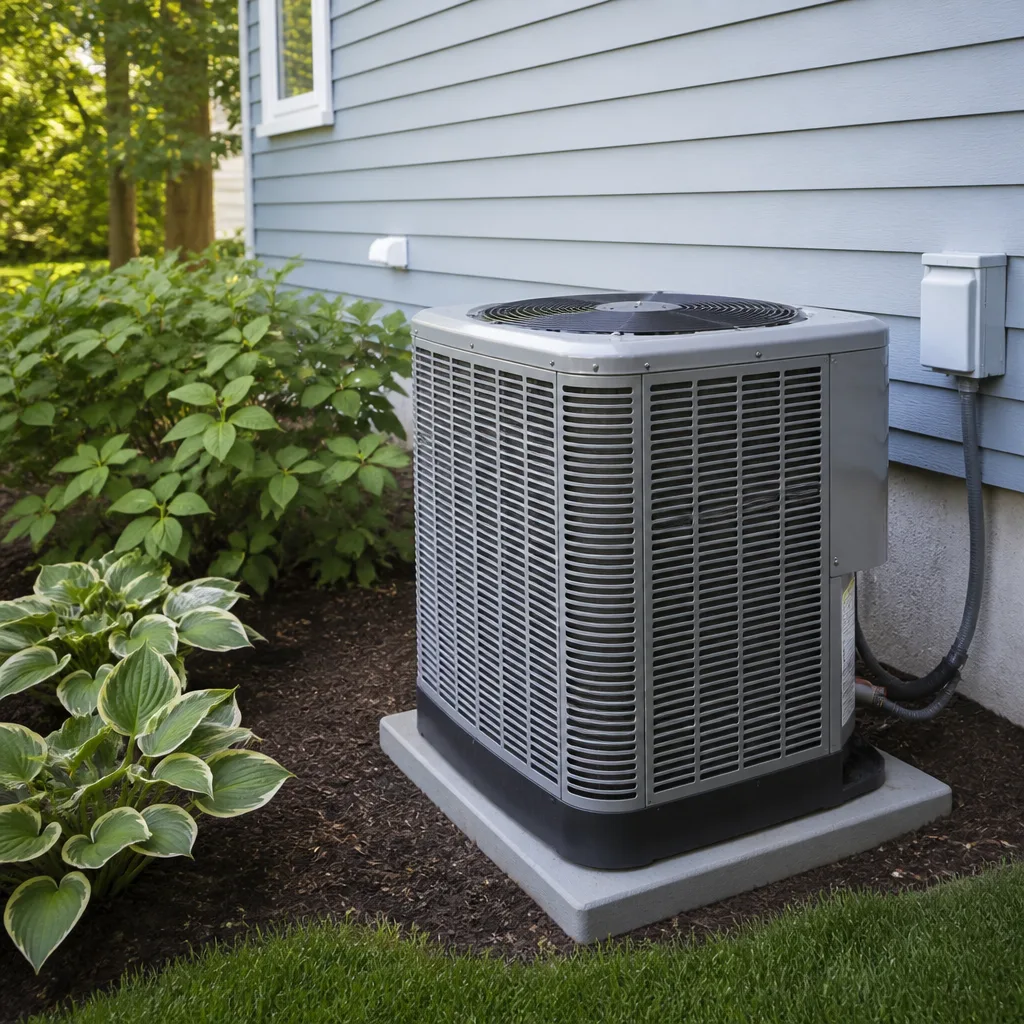 AC repair
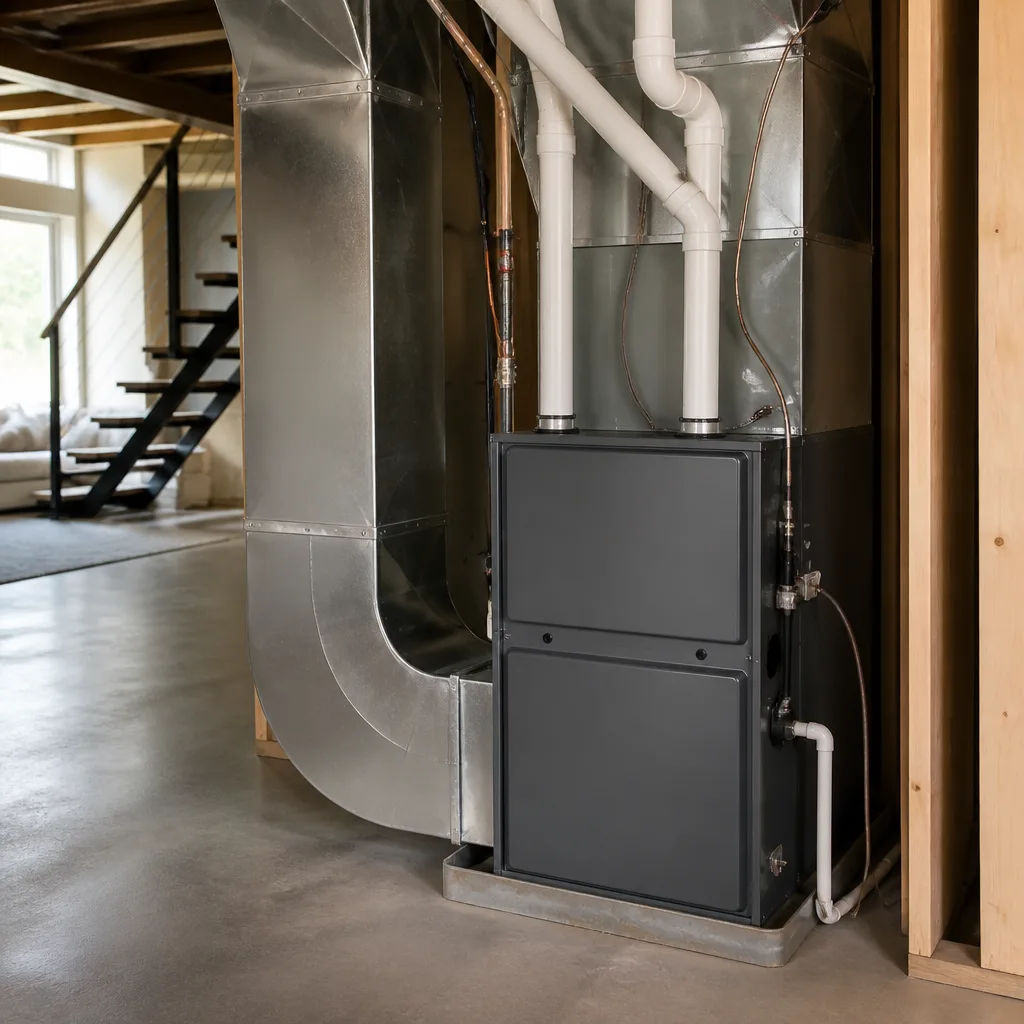 Furnace & heating
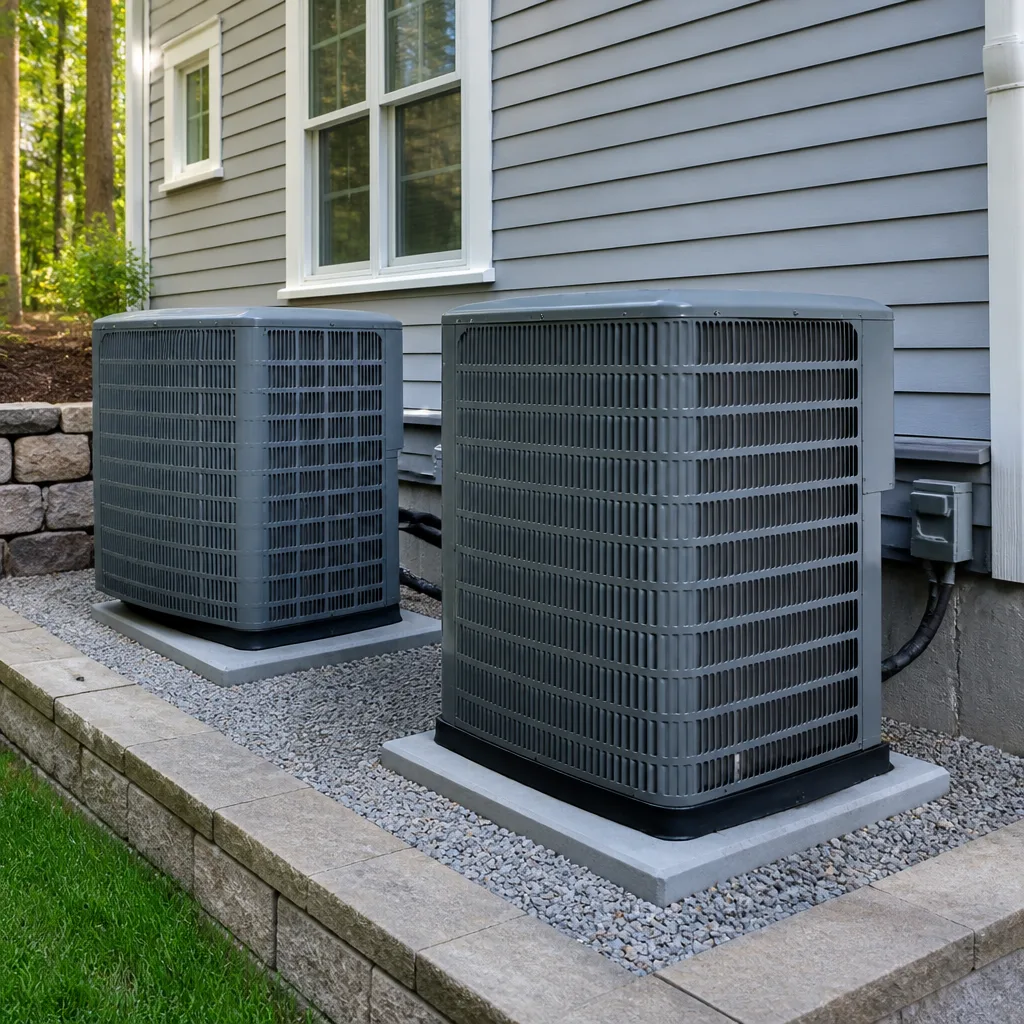 Heat pumps
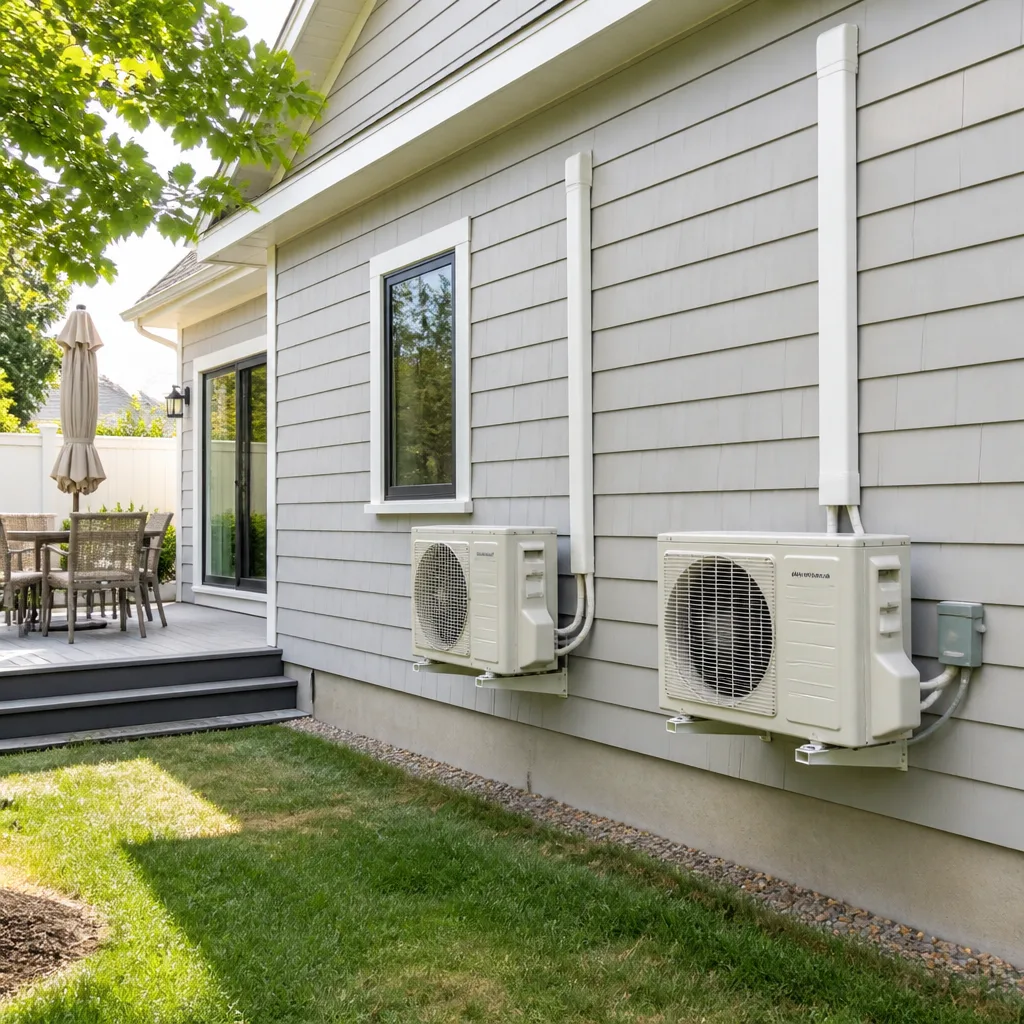 Ductless mini splits
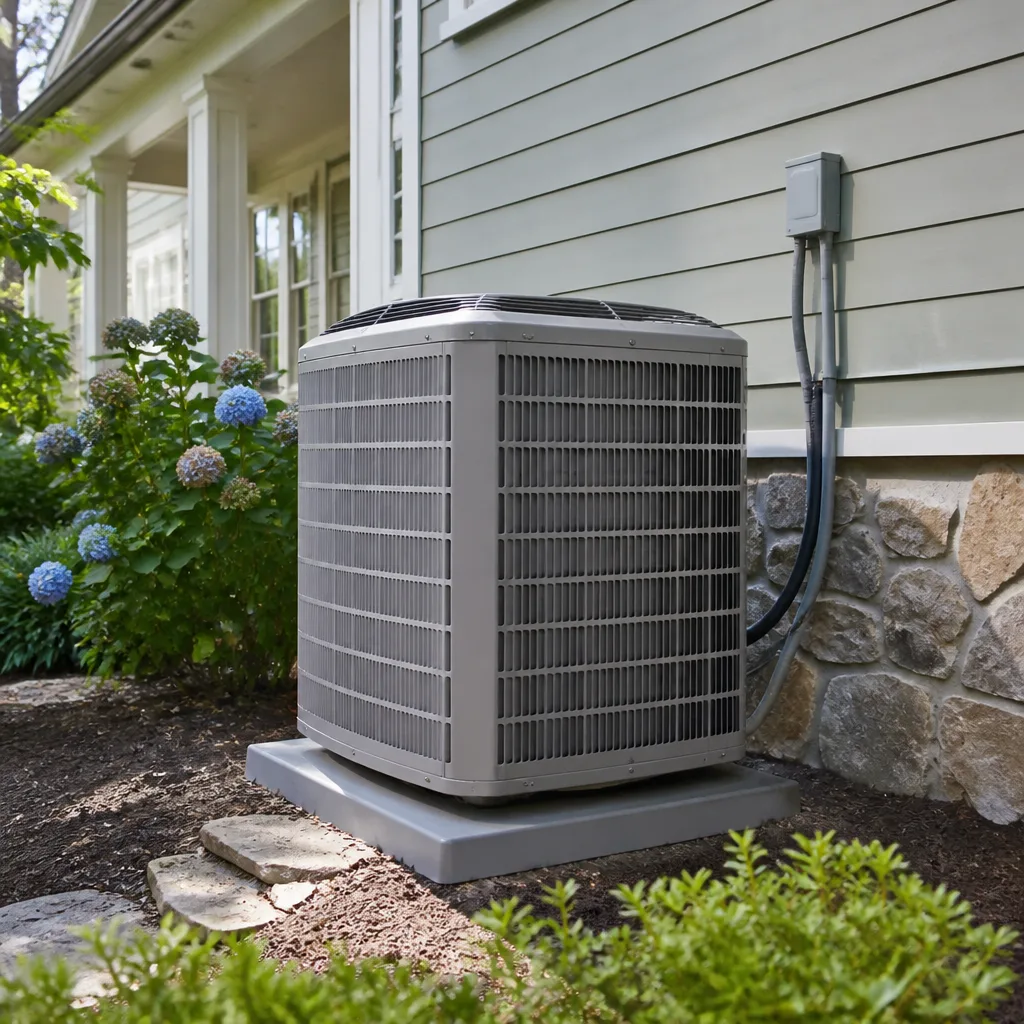 Carrier
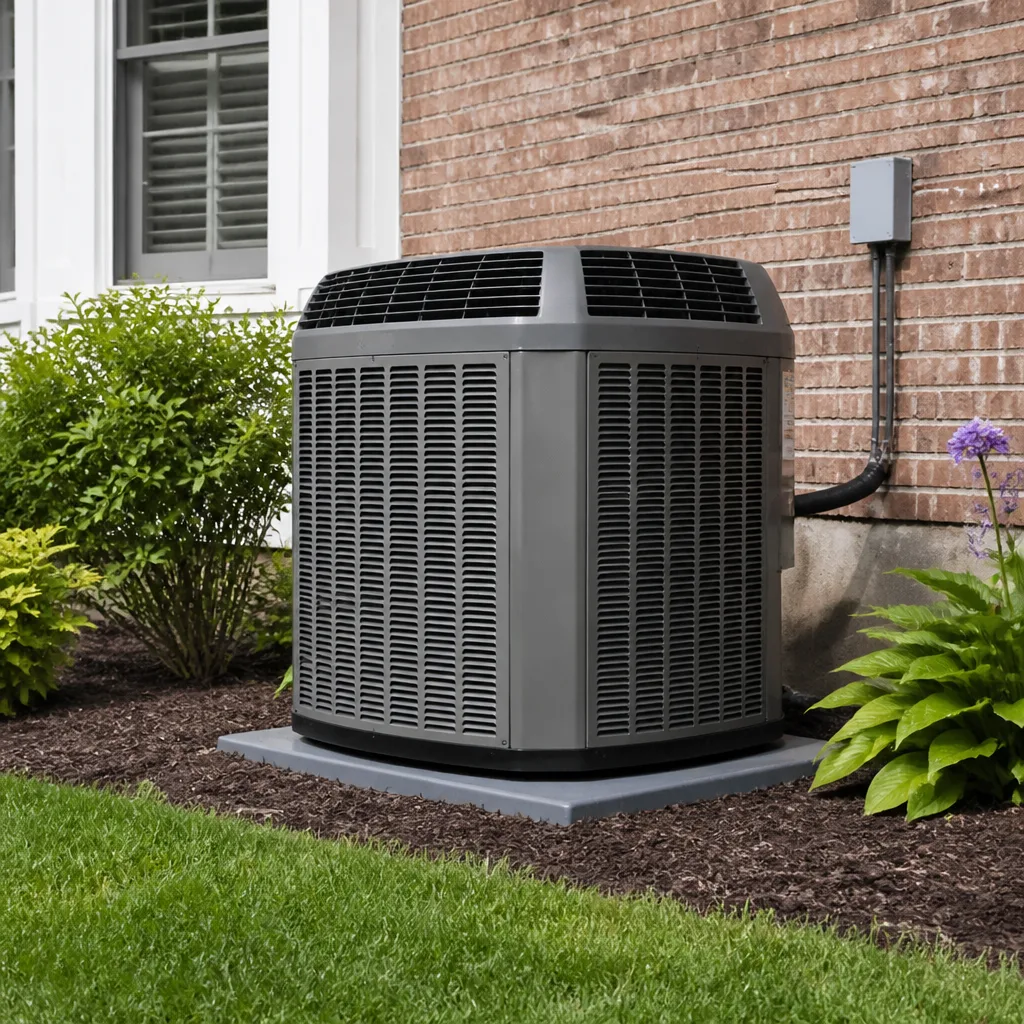 Trane
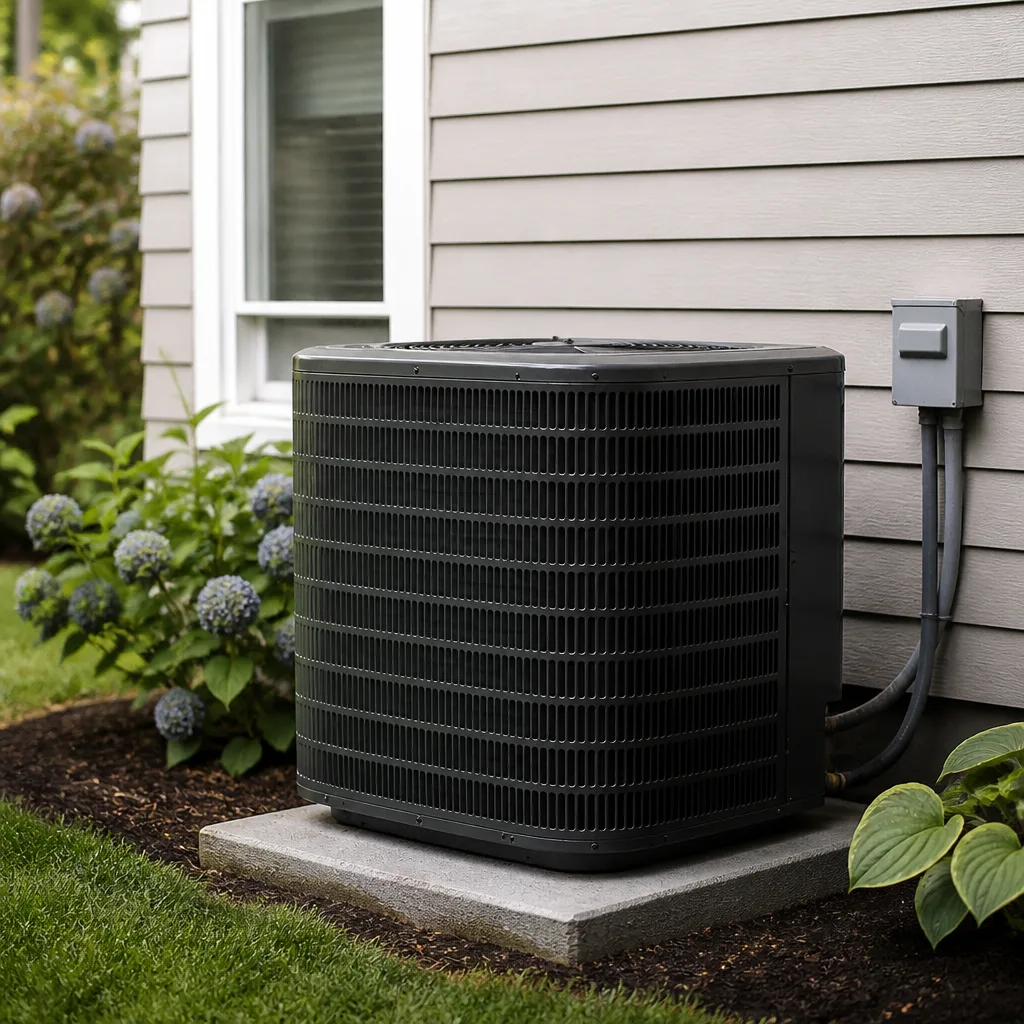 Goodman
Seasonal tune-up and full diagnostic on your Carrier, Trane, or Goodman system - readings shown to you before any repair is proposed
Diagnosis first, numbers second - you approve the repair price before a single part goes in.
Get your free estimateHVAC Permits, Codes & Inspections in Pasadena, TX: What You Need to Know
Most homeowners assume the permit is the contractor’s problem, so they never ask about it. That assumption is the expensive one. A mechanical permit is the only public record that the HVAC work on your house was done to code, inspected by the City of Pasadena, and closed out properly. When that record is missing, the problem doesn’t show up on install day. It shows up years later, when you sell the house and a buyer’s inspector finds a system with no paper trail, and suddenly you’re the one opening walls and paying to make it right. This guide walks through exactly which HVAC jobs in Pasadena need a permit, how the city processes mechanical permits, what Texas code actually requires, how to verify your contractor pulled the permit before anyone touches your equipment, and what happens when an inspection fails.
Quick Answer
In Pasadena, TX, replacing an HVAC system, installing new equipment, or modifying ductwork requires a mechanical permit and inspection through the City of Pasadena Building Department. Like-for-like repairs, refrigerant service, and routine maintenance generally do not. The permit is pulled by the licensed contractor before work begins, and the final inspection is what protects your insurance coverage and your ability to sell the home without a code dispute.
Styles & brands we work with
- AC repair
- Furnace & heating
- Heat pumps
- Ductless mini splits
- Carrier
- Trane
- Goodman
Table of Contents
- Which HVAC Jobs Need a Permit in Pasadena, TX?
- What Legally Doesn’t Require a Permit
- How the City of Pasadena Processes Mechanical Permits
- Texas Mechanical Code: What It Actually Means for Your Install
- How to Confirm Your Contractor Pulled the Permit
- What Happens at the Mechanical Inspection
- Failed Inspections: Who Pays to Fix It
- Why Pasadena’s Climate Makes Permit Details Matter
Which HVAC Jobs Need a Permit in Pasadena, TX?
Any change to the mechanical system of a Pasadena home requires a permit. Anything that restores it to the condition it was already in does not. That’s the simplest way to think about it, and it lines up with how most Texas municipalities, including Pasadena, enforce the mechanical code.
The following types of work require a permit and an inspection:
- Full system replacement – removing an existing condenser and air handler and installing new equipment. This is the most common permitted HVAC job in Pasadena.
- New system installation – adding HVAC to a home that didn’t have it, or adding a second zone or a mini-split to a room that was previously unconditioned.
- Ductwork modification – replacing a significant section of duct, adding or removing supply and return runs, or redesigning airflow. A quick patch or re-seal of a joint usually does not need a permit, but a re-duct of one or more rooms does.
- Equipment changeouts that affect the electrical or gas connection – swapping to a different tonnage, changing from a gas furnace to a heat pump, or altering the electrical circuit that feeds the unit.
- Relocating equipment – moving an outdoor condenser to a different pad or wall, or relocating the air handler to a different closet or attic location.
- Any structural alteration that affects the mechanical system – enclosing a carport, converting a garage, or cutting into the building envelope for a new return.
The pattern is simple: if the work changes the system, it needs a permit. If it repairs a system that already exists, it typically doesn’t. The gray area is where homeowners get caught, and it’s usually in ductwork. A section of flex duct that was crushed by a nuisance raccoon in Deer Park or a fallen attic board in Pasadena might look like a repair, but if the fix replaces the whole run and changes static pressure, the city can treat it as a modification. When our technicians aren’t sure, we treat it as a permit job and pull the permit before touching the system.
Replacement work in Pasadena covers a wide range of equipment, from older Carrier systems that are due for a changeout to newer Trane units that are under warranty. Whether the replacement requires a formal load calculation (which the permit process usually triggers) depends on what’s actually being changed. A like-for-like swap of identical tonnage is a simpler permit than a system resizing. Either way, the permit itself is non-negotiable.
What Legally Doesn’t Require a Permit
Not every HVAC visit needs the city involved, and a contractor who tells you otherwise on a routine call is either misinformed or padding the job. The following types of work generally do not require a mechanical permit in Pasadena:
- Like-for-like repairs – replacing a failed capacitor, contactor, blower motor, ignitor, or thermostat with a part that matches.
- Refrigerant recovery, evacuation, and recharge – recovering refrigerant, finding and sealing a leak, and recharging to factory spec. This is EPA-regulated but not mechanically permitted.
- Routine maintenance and tune-ups – coil cleaning, filter changes, condensate drain flushing, electrical tightening, thermostat checks.
- Minor duct repairs – re-taping a joint, sealing a small boot, re-wrapping a section of duct in mastic.
- Thermostat upgrade – replacing a thermostat with a new unit wired to the same terminals.
- Drain clearing – clearing a condensate line clog from the air handler.
- Diagnostic visits – inspecting and testing equipment without modifying it.
The line isn’t always bright. A furnace blower that fails on a Bryant furnace under warranty is a repair. But if the repair requires pulling the entire furnace to swap the blower housing, that same work may cross into modification because the gas line and vent are being disconnected and reconnected. In those cases, some homeowners prefer to pull the permit even when the city wouldn’t insist on one, because it establishes a clean record.
If you’re weighing furnace repair against furnace replacement, our team walks through the decision with you before recommending the more expensive option. We don’t treat repairs as upsells, and we don’t hide a permitted replacement behind a repair invoice when the honest answer is a replacement. You can read more about how we approach that conversation on our furnace repair page, and about the full-system scope on the Paragon AC Repair main page.
How the City of Pasadena Processes Mechanical Permits
The City of Pasadena Building Department issues the mechanical permits and dispatches the inspections. The process is straightforward, but there are specific steps in a specific order, and skipping any one of them creates the paper trail problem described above.
Here’s how the typical permit process runs for an HVAC replacement in Pasadena:
- Contractor applies for the permit before work begins. The permit application includes the property address, the scope of work, the contractor’s license information, and the equipment specs.
- The department reviews the application and issues the permit. Review times vary with department workload. Straightforward residential changeouts are usually reviewed faster than complex modifications, and turnarounds can be same-day or a few business days.
- The permit card is posted on the property. By code, the permit needs to be visible at the job site. On a residential HVAC replacement, that means taped to the interior of a window or the front door, or posted at the mechanical closet.
- The work is completed and inspected. The contractor calls for inspection when the install is done. The mechanical inspector visits the property, reviews the install against code, and either passes it or writes a correction list.
- The inspection is signed off and the permit is closed. Once the inspector signs off, the permit is closed out in the city’s system. That closure is what appears in a title search or a buyer’s inspection report years later.
Permit fees in Pasadena are set by the city on a schedule tied to the value and scope of the work, and they’re paid by the contractor who pulls the permit. For a typical residential HVAC replacement, the fee is a modest line item in the overall job, not the reason to skip the permit. The larger cost by far is the correction work if the job is done unpermitted and later flagged.
Inspections are scheduled through the same Building Department, and the contractor typically calls them in as the install wraps up. Turnaround on the inspection itself is usually within a few business days. A contractor who can’t tell you when their inspection is scheduled is a contractor who may not have pulled the permit at all. That’s worth checking before the install, not after.
Texas Mechanical Code: What It Actually Means for Your Install
Texas has adopted the International Mechanical Code (IMC) as the state base for mechanical work, and local jurisdictions like Pasadena enforce it with any local amendments or additions the city has adopted. Getting comfortable with what that means in practical terms is more useful than memorizing code sections.
What the IMC most affects on a Pasadena residential HVAC job:
- Equipment sizing and load calculation. The code requires the equipment to be sized based on a load calculation for the home, not a rule of thumb. A contractor who “just matches the old tonnage” without doing the load calc is not following the code, and on a permit job that can trigger a correction.
- Combustion air and venting. On gas furnaces, the code is specific about how combustion air is supplied and how the flue is vented. Poor venting on a changeout is one of the most common inspection corrections.
- Clearances and access. Equipment needs accessible service panels, working clearances for electrical disconnects, and enough room for an inspector to reach and test the components.
- Condensate management. Drain lines, secondary pans, and float switches are all covered. In a Pasadena attic, this is a serious point because condensate standing in a pan can cause ceiling damage over time.
- Electrical and gas connections. Disconnects, breakers, and gas shutoffs need to meet code. An undersized breaker or a gas line that isn’t properly supported is an inspection fail.
Because Texas enforces the IMC and Pasadena has adopted it with the local amendments the city publishes, the version of the IMC in effect at the time of your permit is the version your install will be inspected against. That’s important to understand for anyone doing a changeout on an older home where the original equipment predated the current code. New equipment can’t be grandfathered in; the install is evaluated against current code.
The practical takeaway is that code compliance is a design question, not just an install-day question. Getting it right starts with the load calculation, moves through equipment selection, and lands on the installation details. Our technicians have up to 9 years of experience across the major brands, and we’ve worked on enough Pasadena changeouts to know which corrections an inspector is likely to flag.
How to Confirm Your Contractor Pulled the Permit
Never take “we’ll handle the permits” as the answer. Ask for the permit number, and ask for it before the install starts. Confirming the permit is one of the fastest ways to separate a legitimate contractor from one who plans to install first and deal with the city if it becomes a problem.
Here’s how to verify a permit in Pasadena:
- Ask for the permit number before the crew arrives. A licensed contractor should be able to provide the permit number, the issuing jurisdiction (City of Pasadena Building Department), and the scope of the issued permit.
- Confirm the permit card is posted on the property. The card should be visible and it should match the contractor’s company name and your property address. If the card lists a different address or a company you don’t recognize, stop the job.
- Compare the scope of the permit to the scope of the quote. If the quote says “replace condenser and air handler” and the permit says “condenser only,” that’s a red flag. The permit should match the work.
- Check the permit status in the city’s system. Pasadena’s Building Department can confirm the permit status, the contractor of record, and whether the inspection has been scheduled. Ask the city directly if you have any doubt.
- Get the closed inspection record at the end of the job. The final document you want in your file is the signed inspection, not just the invoice. Ask for it after the inspection signs off.
The step most homeowners skip is asking a second time after the crew finishes. It’s easy to get busy and assume the inspector showed up and everything is fine. But the permit isn’t closed until the inspection is signed off, and the file you keep for the sale of your home is the closed record, not the open one.
If you’re on the front end of a replacement decision and haven’t chosen a contractor yet, we can walk through this process with you. Our AC installation service includes pulling the permit and scheduling the inspection as standard, not as an add-on.
What Happens at the Mechanical Inspection
The mechanical inspector is checking the install against the code, not auditing your contractor’s personality. That said, a clean install passes faster, and an install that skimps on details tends to generate a correction list.
What the inspector reviews on a residential HVAC replacement in Pasadena typically includes:
- Equipment sizing and nameplate data. The installed equipment matches the permit specs, and the load calculation supports the tonnage.
- Electrical connections. The disconnect is correctly installed and accessible, the breaker size matches the equipment, and the wiring is properly protected.
- Gas connections. The gas line is properly sized, supported, and shut off at the appliance. Combustion test if the equipment is gas-fired.
- Venting and combustion air. The flue is properly vented, combustion air is supplied, and clearances are maintained.
- Condensate. The drain line runs to an approved location, a secondary pan or float switch is present where required, and the line is properly sloped.
- Ductwork and airflow. On modification permits, the inspector checks that the ductwork provides adequate supply and return, and that the system delivers design airflow.
- Access and clearances. Service access is unobstructed, and clearances from combustibles are correct.
- Refrigerant line installation. Line sets are properly supported and insulated, and the penetrations through the building envelope are sealed.
In our experience, the corrections that come up most often on Pasadena residential jobs are combustion air on gas changeouts, condensate management on attic air handlers, and undersized electrical breakers on high-efficiency equipment. Each of those is a design detail that a careful contractor handles up front. None of them are things the inspector is going to let slide.
The inspection is also the moment when an unpermitted job gets exposed. If a neighbor or a buyer’s inspector calls the city on a job that was never permitted, the city can come out, inspect the installation against current code, and require correction. The contractor who did the work may be long gone. The homeowner isn’t.
Failed Inspections: Who Pays to Fix It
The installing contractor is responsible for the cost of correcting a failed inspection, as long as the same contractor is still in business and willing to stand behind the work. That’s the plain version. The complicated version is that in practice, this is the moment when the difference between a real contractor and a cheap one becomes obvious.
What happens on a failed inspection:
- The inspector writes a correction list. The corrections are specific to what was found, from “provide combustion air” to “correct condensate drain slope” to “resize breaker.”
- The contractor returns to correct the work. A legitimate contractor corrects the items written on the correction list without arguing about the invoice, because they pulled the permit and they own the outcome.
- The correction is reinspected. The inspector returns to verify the corrections. Passing the reinspection is what closes the permit.
- If the contractor won’t return, the homeowner hires someone else. This is the worst case, and it happens more than it should when the original contractor was unlicensed, out of business, or simply not showing up.
The liability question gets sharper when the work was never permitted. If you skipped the permit and the work was later flagged, you’re the one who pays to correct it, because the city will look at the current property owner. The system doesn’t kindly distinguish between the homeowner who chose a bad contractor and the homeowner who chose to skip the permit. The city’s enforcement target is the property.
There’s also the insurance angle. If a fire or a water loss is traced to improperly installed mechanical equipment, an insurer can push back on the claim. That’s not a hypothetical, it’s a clause in most homeowners policies that requires work on covered systems to be performed by licensed contractors to code. An unpermitted install is an uncomfortable position to be in when the adjuster is asking for documentation.
This is a big part of why we don’t treat the permit as an optional line item. The furnace repair and furnace replacement work we do includes the permit when the scope requires it, and the correction work is ours to handle, not yours.
Why Pasadena’s Climate Makes Permit Details Matter
Pasadena is hot and humid for a long stretch of the year, with a cooling season that puts a heavy load on the equipment. That climate shapes which permit details matter most in this city, and it makes some code items more consequential than they would be in a milder part of the state.
A few Pasadena-specific angles worth knowing:
- Long cooling runtime makes load sizing critical. An oversized system in Pasadena short-cycles less than it would in a cooler climate because the runtime is long already, but an undersized system fights the summer. The load calculation the permit triggers is what protects you from both.
- Attic installs and condensate are a common failure point. Many Pasadena homes have air handlers in the attic. In this humidity, a condensate line that clogs or a pan that overflows can cause ceiling damage within a cooling season. The secondary pan and float switch the code requires are exactly for this.
- Duct sealing matters more in humid climates. Duct leakage in a Pasadena attic pulls hot, humid air into the supply. The ductwork modification permits exist because the airflow design is what keeps the house comfortable.
- Gas furnace changeouts in older neighborhoods. Older parts of Pasadena have gas furnaces that predate current venting standards. The permit inspection is where venting corrections get caught.
- Deer Park, South Houston, and Pasadena share the regional climate. A contractor who works the Pasadena area is used to the same attic conditions and the same summer runtime on American Standard and Carrier equipment across these nearby cities.
The climate doesn’t change what code requires, but it does change which failures happen most. In our experience, the corrections we see in Pasadena mechanical inspections cluster in attic condensate management and gas furnace venting, both of which are directly tied to the humidity and the older housing stock. Knowing that in advance is why we handle those details up front rather than on a correction list.
Common Mistakes to Avoid
- Assuming the contractor pulled the permit without asking for the number. Plenty of contractors talk a good game about permits and then don’t file. Ask for the number, check the posted card, and confirm in the city’s system before the crew starts.
- Letting the crew start before the permit card is posted. The card is required to be visible on the property during the job. If the crew is unloading equipment and there’s no card in the window, stop and ask.
- Treating a significant duct modification as “just a repair.” Replacing a whole run of duct, adding a return, or re-ducting a room is a permit job in Pasadena. Not pulling a permit on that scope is a real liability at resale.
- Believing the old system is grandfathered in. A changeout is inspected against current code, not the code from when the original system went in. That’s the whole point of the permit.
- Not getting the closed inspection record after the job. The invoice is not proof the job passed. The signed inspection is, and that’s the document you want in your file for insurance and for the eventual sale of the home.
- Hiring a contractor who can’t tell you which version of the mechanical code applies. In Texas, the current IMC with local amendments is what your install will be inspected against. A contractor who can’t answer that is not a contractor who is going to pass the inspection cleanly.
- Assuming a home warranty or home inspection process covers you. Neither pulls a permit for you. If the previous install was unpermitted, you inherit the correction cost as the current owner in Pasadena.
See the difference
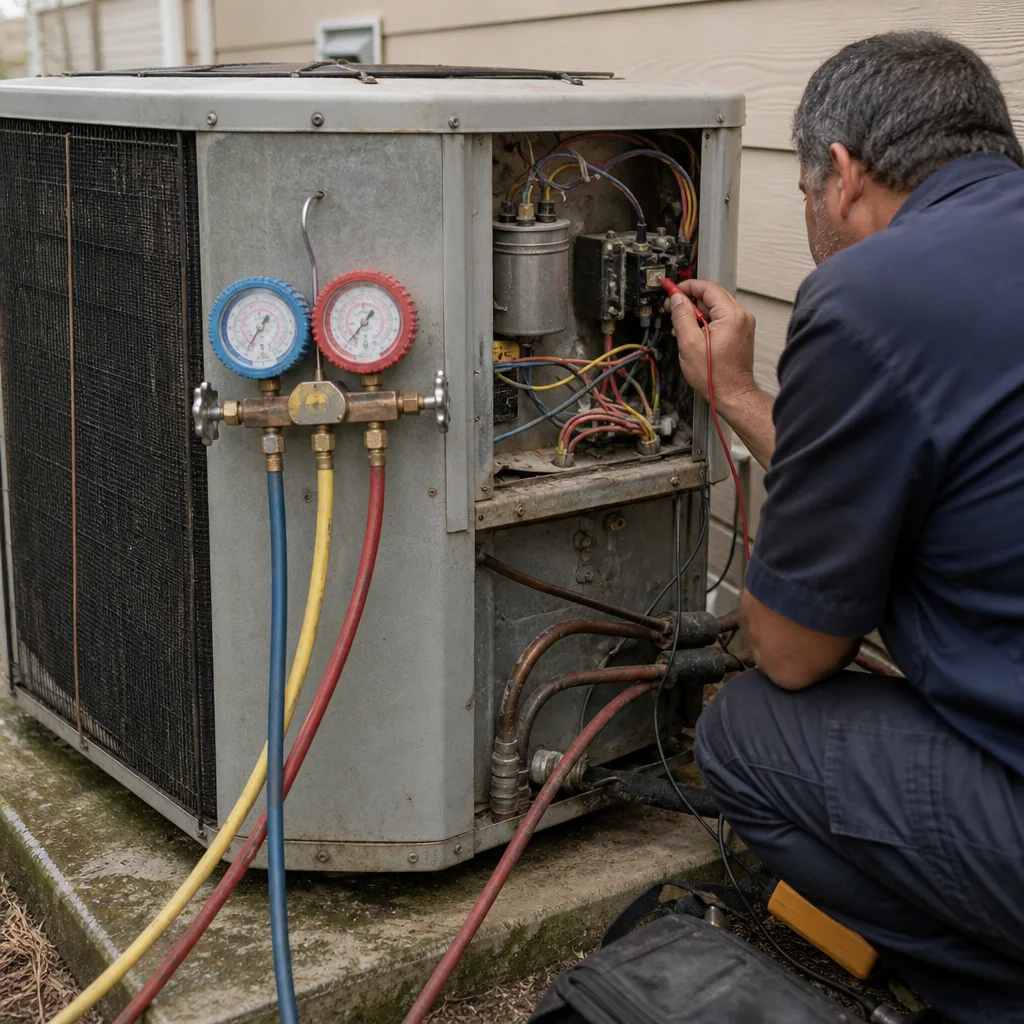 Before
 After
 Before
 After
 Before
 After
When to Call a Professional
Call a professional the moment you’re considering a full system replacement, a new install, a mini-split addition, or any change to your ductwork. These are permit jobs, and the permit is the contractor’s job to handle, not yours. Get a written estimate that clearly lists the permit and inspection as part of the install. If the contractor won’t put the permit on the estimate, that’s the answer you need.
Call us when an inspector has written a correction list you don’t understand, when a previous contractor has disappeared, or when a buyer’s inspector has flagged an unpermitted installation and you need it documented and corrected. Call us when you’re not sure whether the job in front of you is a repair or a replacement, because that’s the moment when a contractor’s honesty about scope matters most. Paragon AC Repair offers free estimates in Pasadena; call (866) 982-5097. We answer 24/7. Fast dispatch from 7am to 7pm, Sunday through Friday. Heating or cooling, we handle both, and we’ll tell you plainly which permits your job needs and why.
Frequently Asked Questions
Yes. A full system replacement in Pasadena requires a mechanical permit and an inspection through the City of Pasadena Building Department. The permit is pulled by the licensed contractor before work begins, and the final inspection closes the permit. Call (866) 982-5097 for a free estimate that includes the permit as part of the scope.
Like-for-like repairs, refrigerant service, routine maintenance, thermostat replacement with a matching unit, minor duct sealing, and condensate drain clearing generally don’t require a mechanical permit. The line moves when the work changes the system rather than restoring it, so a contractor who isn’t sure should treat it as a permit job. Call (866) 982-5097 to talk through your specific scope.
Permit fees in Pasadena are set by the city on a schedule tied to the value and scope of the mechanical work, and they’re paid by the contractor who pulls the permit. On a residential changeout, the permit is a modest line item compared to the install cost. The written estimate from your contractor is where the permit should appear. Call (866) 982-5097 for a free estimate in Pasadena.
The installing contractor is responsible for correcting the work at their cost, and the correction is reinspected until it passes. If the original contractor won’t return or has gone out of business, the current homeowner in Pasadena is on the hook to bring the work up to code. Call (866) 982-5097 if you’re dealing with a failed inspection and need someone to walk it back through the process.
Texas has adopted the International Mechanical Code as the state base, with local amendments applied by the City of Pasadena, and the version in effect at the time of your permit is what your install is inspected against. That means a changeout on an older system is still evaluated against current code. Call (866) 982-5097 for help understanding what that means for your specific replacement.
You can try, but the buyer’s inspection typically catches it, and a missing permit record can trigger a demand that the work be brought up to code at the seller’s expense. In practice, it’s far cheaper to pull the permit before the install than to correct it during a sale. Call (866) 982-5097 for a free estimate that gets the paperwork right the first time.
The Bottom Line
The permit exists for one reason: it makes the record. It documents that the mechanical work on your Pasadena home was done by a licensed contractor, to the code in effect when it was installed, and passed inspection by the city. Without that record, the work is only as good as the contractor’s word, and the correction cost lands on the homeowner years later when the buyer’s inspector asks for paperwork. Which HVAC jobs need a permit in Pasadena is straightforward: replacements, new installs, and ductwork modifications do, and like-for-like repairs don’t. Pulling the permit is the contractor’s job, not yours, and the closed inspection record is the document you keep. Whether you’re planning a replacement, weighing a repair, or cleaning up a previous install, we can lay out the scope, the permit, and the honest cost. Built to the Paragon standard, one contractor, every season.
Call (866) 982-5097 for a free estimate. We answer 24/7. Fast dispatch from 7am to 7pm, Sunday through Friday. You can also read more about our Pasadena service on our city page, and pick up the right fit for your system on our AC installation page.
Written by the team at Paragon AC Repair.