
Last updated November 15, 2026
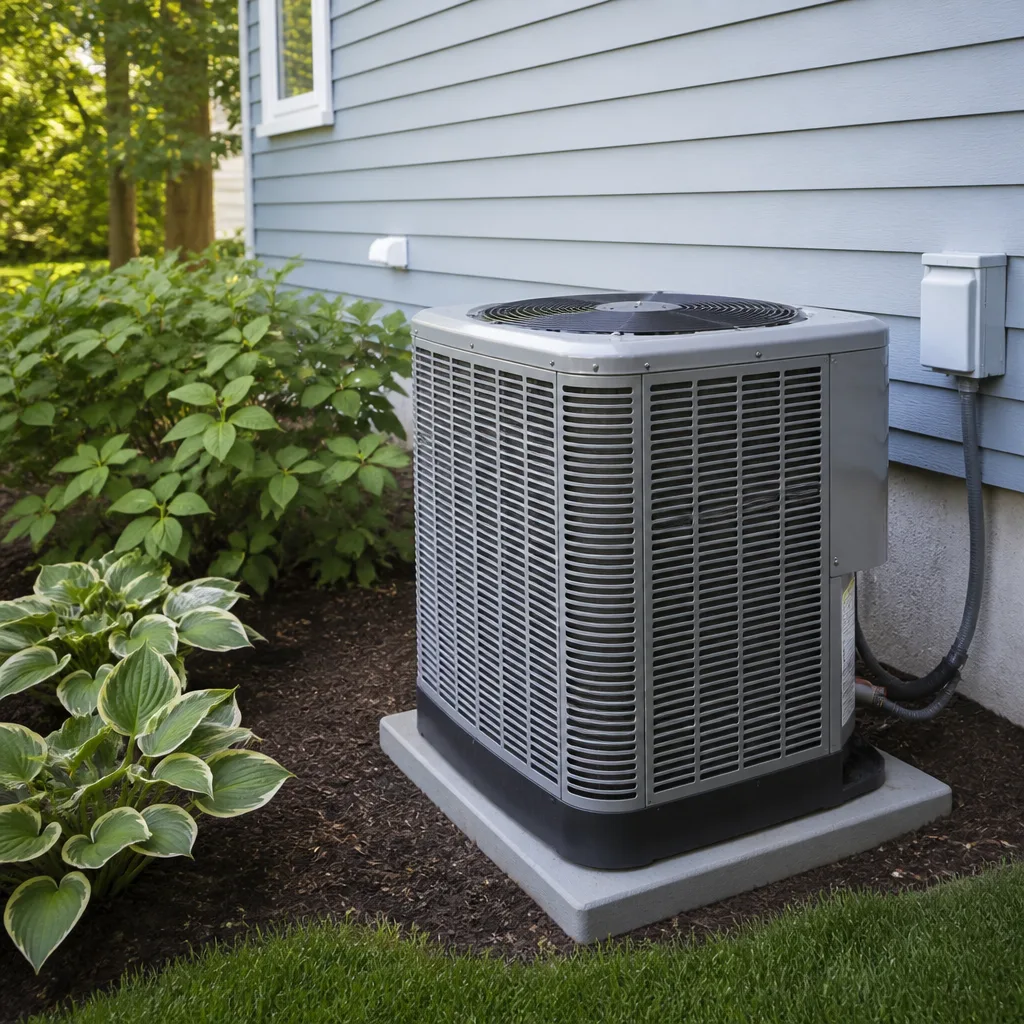 AC repair
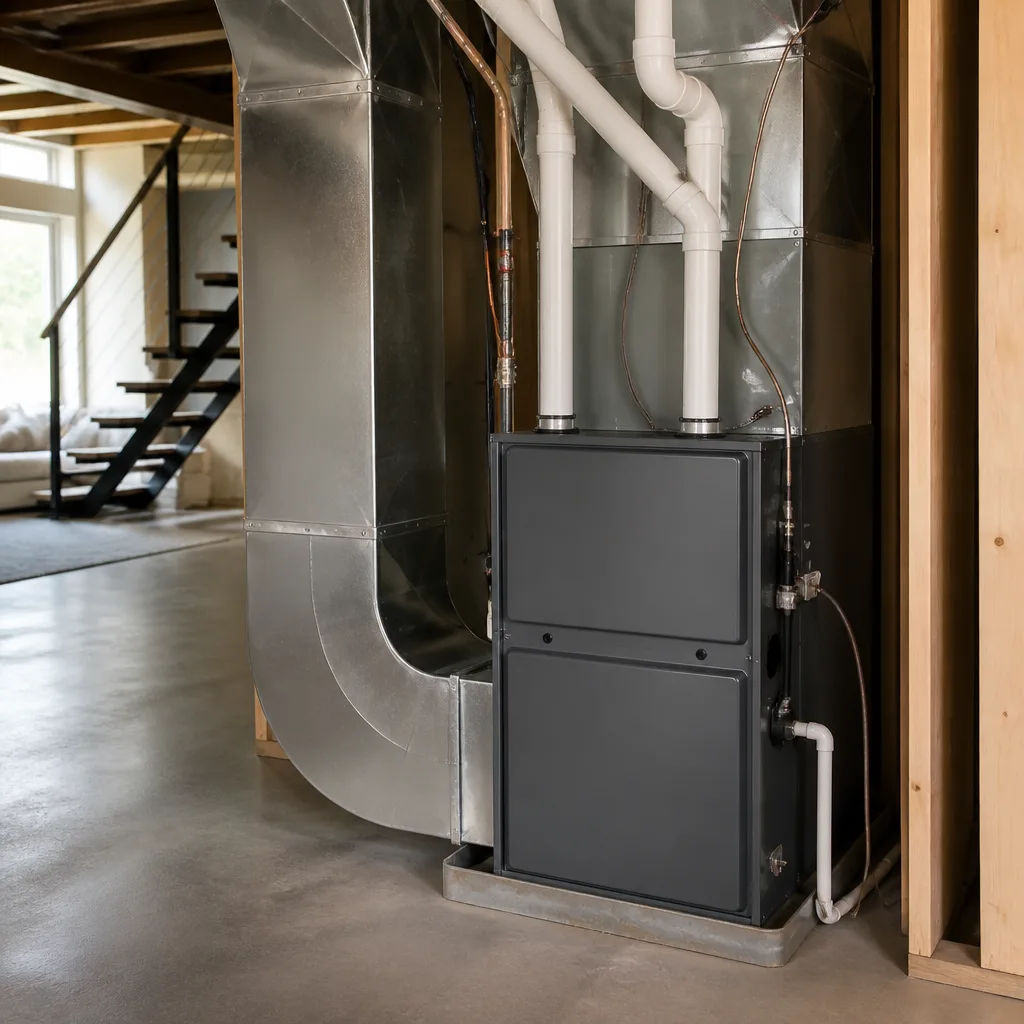 Furnace & heating
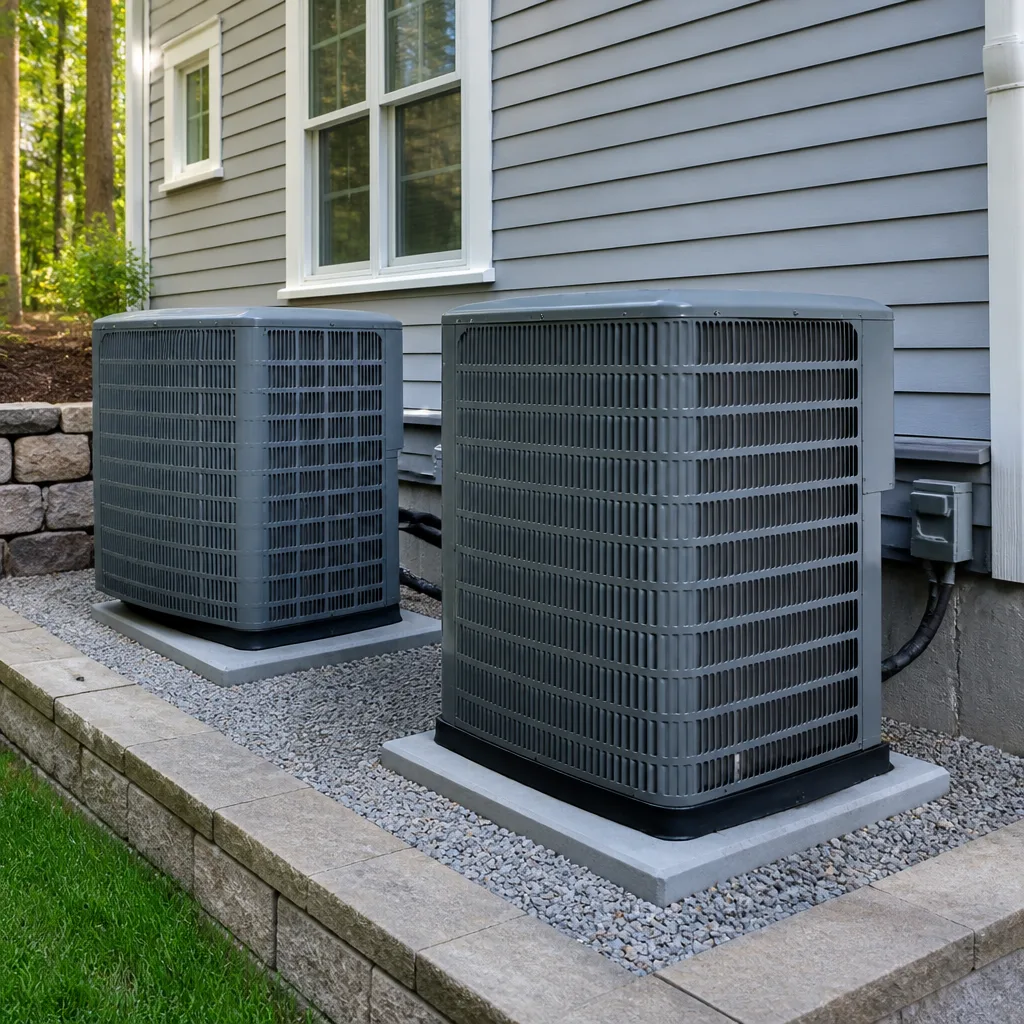 Heat pumps
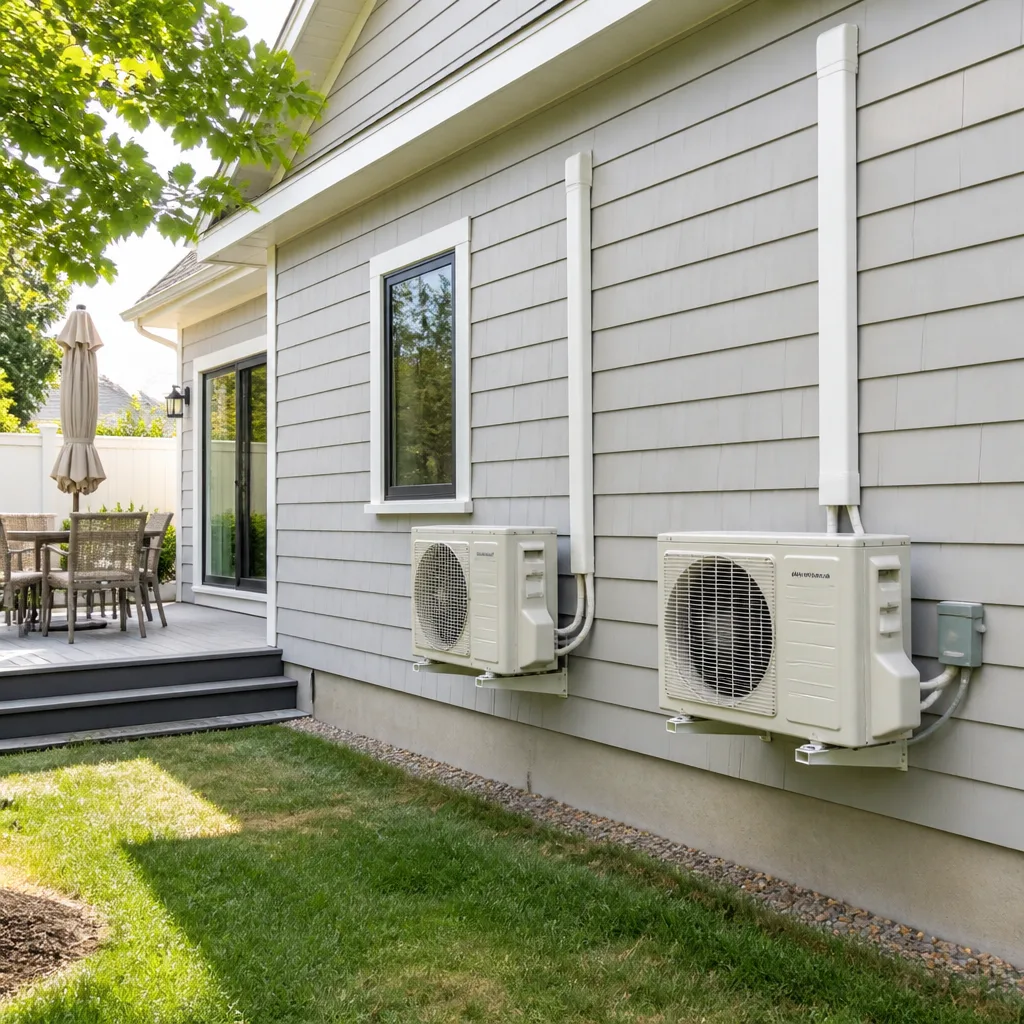 Ductless mini splits
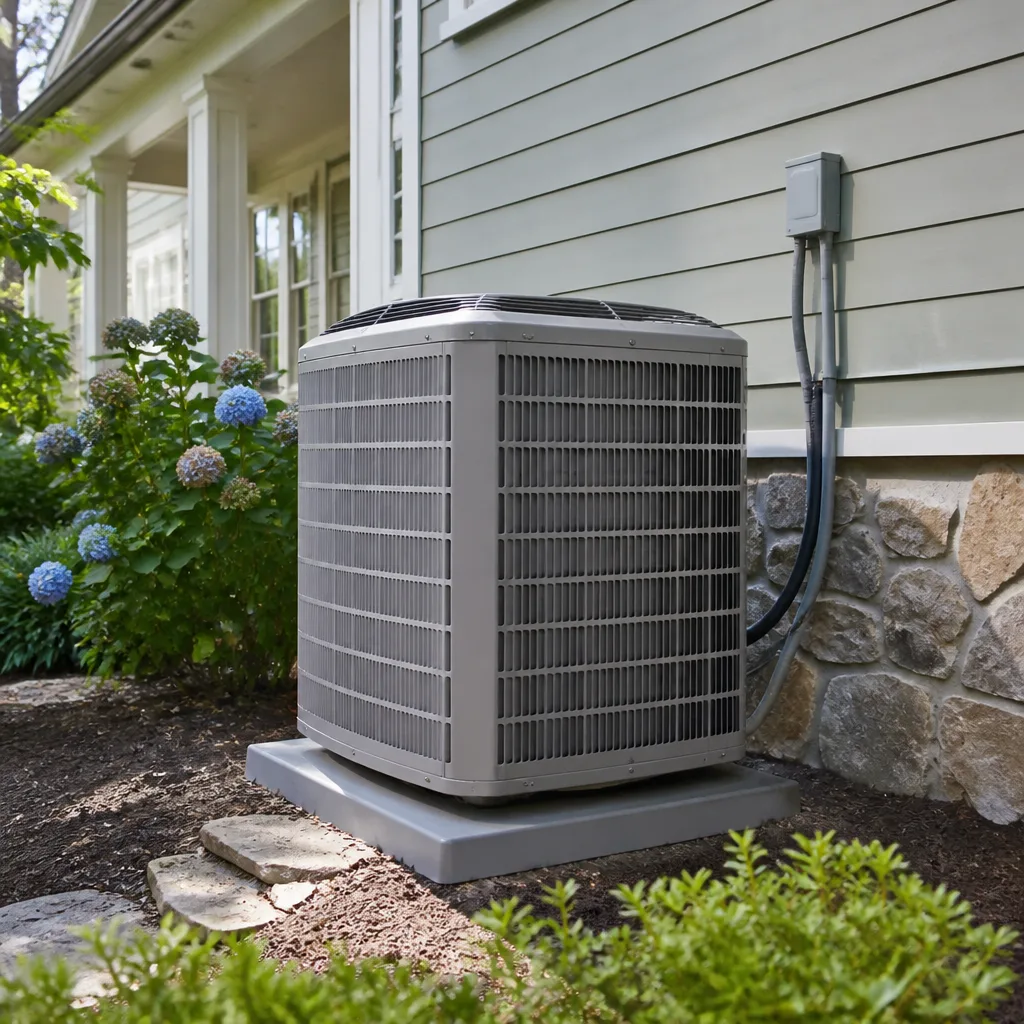 Carrier
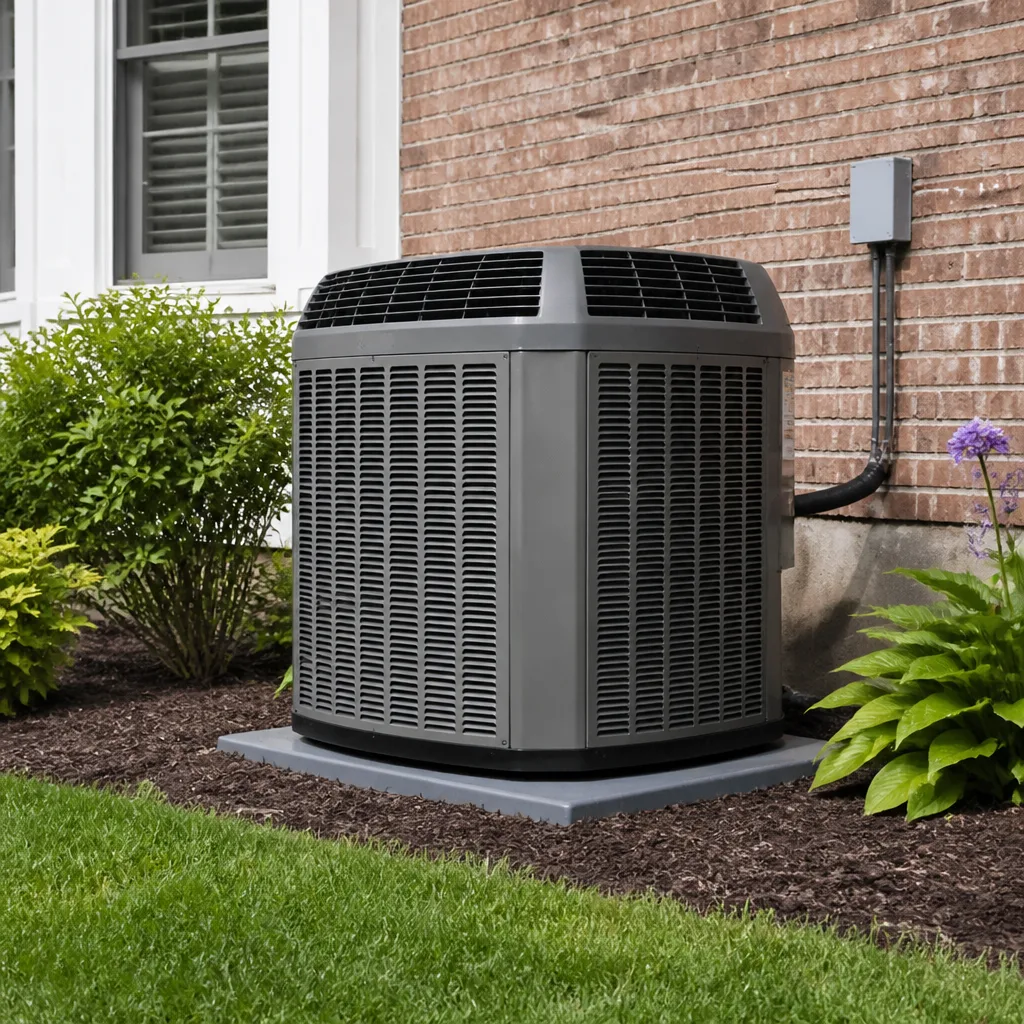 Trane
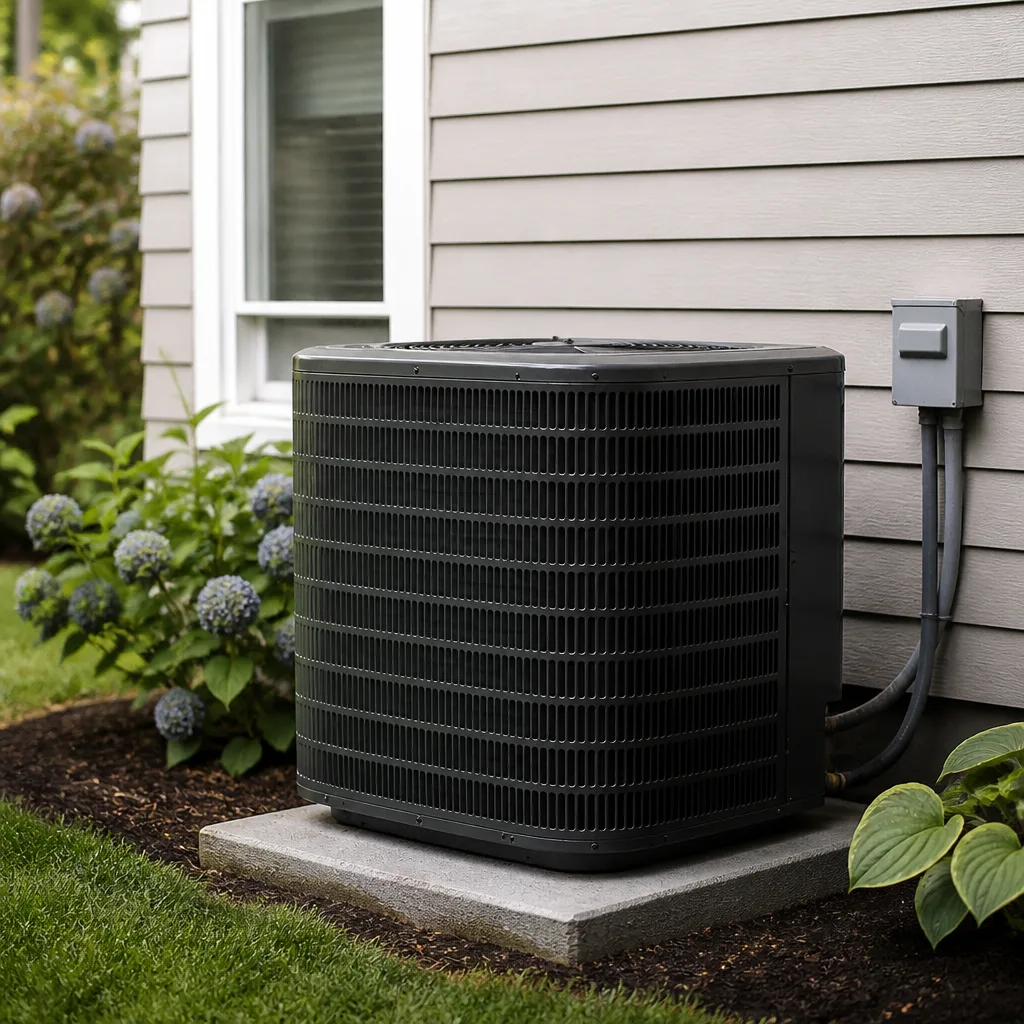 Goodman
Seasonal tune-up and full diagnostic on your Carrier, Trane, or Goodman system - readings shown to you before any repair is proposed
Diagnosis first, numbers second - you approve the repair price before a single part goes in.
Get your free estimateHow to Hire an HVAC Contractor in Pasadena: A Step-by-Step Guide
Here’s something most homeowners never learn until it’s too late: Texas requires HVAC technicians to hold a state-issued license through the Texas Department of Licensing and Regulation (TDLR), but it does not require the company owner to hold one. That means you can legally hire a fully unlicensed HVAC company as long as one employee somewhere holds credentials. The license you’re shown at the door isn’t always the one that covers the person doing the work. This guide walks through the five questions that separate a licensed HVAC specialist from a handyman with a refrigerant cert, how to verify a license in under a minute, and how to structure a Pasadena contract so your money follows the inspector’s sign-off instead of the calendar.
Quick Answer
To hire an HVAC contractor in Pasadena, verify the TDLR license number online, confirm the license class matches the work being performed, request both a certificate of insurance and the policy declaration page, insist on a Manual J load calculation before any replacement quote, and tie payment milestones to inspection sign-offs rather than dates. Skip any of those five and you’ve handed the risk to yourself.
Styles & brands we work with
- AC repair
- Furnace & heating
- Heat pumps
- Ductless mini splits
- Carrier
- Trane
- Goodman
Table of Contents
- How Do You Verify a Contractor’s TDLR License?
- What Do the TDLR License Classes Actually Mean?
- Why a Manual J Load Calculation Is Non-Negotiable
- The Insurance Certificates You Need to Request
- Pasadena-Specific Red Flags to Watch For
- How to Structure the Contract
- Why Brand Coverage Matters in Pasadena
- Common Mistakes to Avoid
How Do You Verify a Contractor’s TDLR License?
You verify a contractor’s TDLR license by pulling up the TDLR license search portal, entering the license number or the company name, and confirming three things in under 60 seconds: that the license is active (not expired or suspended), that the license class covers the equipment being worked on, and that the name on the license matches the name on the estimate you’re being handed. If any of those three don’t match, put the phone down.
Most homeowners skip this step because the technician arrives with a badge and a truck and it feels rude to check. It isn’t. The TDLR database is public and free, and it’s the single fastest way to know whether the person who is about to touch the refrigerant lines in your Pasadena home is actually accountable to the state. Refrigerant handling carries real environmental and safety rules, and an unlicensed tech working on your system is a risk you inherit.
Here’s how to do the verification in under a minute:
- Ask for the license number before they arrive – any legitimate HVAC company in Pasadena will hand it over on the phone.
- Open the TDLR search page and search by license number, not just by company name (company names can be typo’d or gamed).
- Check the status field. “Active” is what you want. “Expired,” “suspended,” or “delinquent” are all red flags.
- Check the license class. It should cover the scope of work in your estimate (see the next section).
- Match the legal name on the license to the name on your written estimate and contract. If they differ, ask why in writing.
A note on refrigerant: technicians handling refrigerant must also hold EPA Section 608 certification on top of the TDLR license. Ask for both. A contractor who hesitates on either one is telling you something.
What Do the TDLR License Classes Actually Mean?
Texas issues three HVAC license classes, and they map to different scopes of work. A Class A license covers any size and type of HVAC equipment, including commercial. A Class B license covers equipment up to 25 tons, or up to 200,000 BTUs of heating capacity. A Residential license is limited to single-family and two-family residential systems under the same capacity limits.
For most Pasadena homes, a Residential license is legally sufficient for routine repair and replacement work. But the class matters most in two gray areas: when the job crosses into commercial-grade equipment (a large custom home with a big tonnage system, or a home being retrofitted to a heat pump system with unusual demand), and when the job involves a scope that a Residential license holder can’t legally sign off on. Getting a Class B quote on a job that requires a Class A isn’t a saving – it’s a future headache if the job gets inspected.
- Class A: covers any HVAC equipment, commercial or residential, any size.
- Class B: covers equipment up to 25 tons or 200,000 BTUs heating.
- Residential: single-family and two-family residences within the same capacity limits.
When you call for a quote in Pasadena, ask the contractor which class they hold and whether the class covers what you’re asking them to do. The answer comes easily to an organized company and awkwardly to a disorganized one. That’s information.
The other thing to understand: the TDLR license is held by an individual technician, not the company itself. Companies operating legally have at least one licensed technician on staff. That’s the legal minimum. It’s not the same as every technician on your job being licensed. Ask how the crew dispatched to your home is credentialed. It’s a fair question and a professional company will answer it without flinching.
Why a Manual J Load Calculation Is Non-Negotiable
A Manual J load calculation is the industry-standard method for sizing HVAC equipment to a specific home based on square footage, insulation, window placement and area, orientation, local climate data, and occupancy. It is not optional. A replacement system sized by rule of thumb (“about a ton per 500 square feet”) is a guess, and an oversized or undersized system costs you money every month for as long as you own it.
An undersized system runs constantly and never reaches setpoint during a Pasadena summer afternoon. An oversized system cools fast but leaves humidity in the air, cycles on and off, and shortens compressor life. Neither outcome is acceptable when you’re paying for a full replacement. This is where brand-agnostic contractors separate themselves from sales-focused ones.
How to spot a contractor who skips the Manual J: watch how they gather information before quoting.
- A contractor who quotes a replacement over the phone without a site visit has not done a Manual J. They cannot possibly have done one.
- A contractor who walks in, asks for square footage, and writes a number based on that is running a rule of thumb, not a calculation.
- A good contractor measures every room, counts windows and notes their orientation, checks attic insulation depth, looks at ductwork condition, and asks about occupancy patterns before recommending a tonnage.
- Ask directly: “Will you run a Manual J as part of this quote?” If the answer is “we’ve been doing this a long time,” that’s not a yes.
Ask for the Manual J report in writing with the proposal. Some contractors run it and disclose it. Others run it and keep it internal. Either way, if they can’t produce one, they didn’t run one. A well-sized replacement is the difference between a system that hums through a Pasadena July and one that fights the heat every day for 15 years. Our technicians have up to 9 years of experience with sizing across brands like Carrier and Trane, and we’ll walk you through the load calc before quoting a single unit.
For more on the replacement side specifically, our page on AC installation covers what a properly sized install looks like end to end.
The Insurance Certificates You Need to Request
Request two specific documents before any work begins: a certificate of insurance (COI) showing general liability coverage, and a certificate of insurance or separate proof showing workers’ compensation coverage. Both should list current policy dates and the name of the company you’re hiring. If the COI doesn’t match the legal name on your contract, ask why in writing before you sign.
Here’s the part most homeowners get wrong: a certificate of insurance is not the same as a policy declaration page. The COI is a one-page summary generated by the insurer or broker that says “yes, this company has coverage, here are the limits and effective dates.” The declaration page is a longer document from the insurer showing the actual policy details, coverage limits, exclusions, and named insureds. Both are legitimate; they serve different purposes. The COI is what most companies hand you as a matter of routine. The declaration page is what you ask for when you want to see what’s actually excluded.
Why both coverages matter, briefly:
- General liability covers property damage and bodily injury caused by the work – a technician damages your ductwork, a fall from a ladder on your property, and similar.
- Workers’ compensation covers the technician if they’re injured on your property. Without it, in some cases, the worker can come back after the homeowner. This is not a small detail.
Ask for the COI to be emailed to you directly from the insurer or broker, not forwarded from the contractor’s desktop. It takes the contractor two minutes and confirms what they’re actually carrying. A company that hesitates on this is a company you should call somewhere else.
Insurance is one of the fastest filter points on the whole hiring list. It takes five minutes to verify. Skipping it is the single most common way homeowners find out the hard way that “insured” was the contractor’s word for it rather than the insurer’s.
Pasadena-Specific Red Flags to Watch For
Pasadena’s HVAC market has a few patterns worth knowing. Some are universal, and some are shaped by how the city’s neighborhoods heat and cool. Pasadena sits in the Houston metro climate zone with humid Gulf summers and mild winters, so systems here run heavy cooling hours and lighter heating hours. That shapes how contractors quote and what they cut corners on. Three red flags show up more in this market than others.
Quoting over the phone without a site visit. This is common because it’s easy, and because the contractor can’t see your existing equipment, ductwork, or attic. Every phone quote is a placeholder for the real number. When the technician shows up and “finds something,” the number has a way of climbing. A written estimate that follows a site visit is the only one that means anything.
Not pulling permits. Most cities require a permit for HVAC replacement and some repair work; ask your city’s building department directly whether your specific job needs one. A contractor who says “we don’t pull permits for that” is telling you they’re either unfamiliar with the process or avoiding it. Both mean the same thing. If the work is inspected, you have a record; if not, you don’t. That record matters at resale.
Cash discounts that happen to equal the permit fee. This shows up in Pasadena more than homeowners realize. A contractor offers to knock, say, a couple hundred dollars off for cash – and separately mentions that pulling a permit will “add cost.” Those two line items tend to be suspiciously close in size. The “cash discount” is often just the permit fee they’re not paying. If you see this pattern, walk away.
Other Pasadena-specific warning signs:
- Quotes that list a single tonnage with no load calculation attached (very common in older neighborhoods with variable home sizes).
- A contractor who won’t tell you which brands they’re authorized to service, or who only handles one brand and pushes it regardless of your existing equipment.
- High-pressure “today only” pricing on replacement systems. Replacement should be scheduled after a load calc and a proposal review, not closed on the spot.
- A technician who arrives without a license number, or whose name isn’t on the TDLR search result.
If you’d like a sense of what service in Pasadena looks like from a company that operates on the other side of this list, our Pasadena page is a starting point.
How to Structure the Contract
Structure your HVAC contract so payment milestones are tied to inspection sign-offs, not calendar dates. This is the single most effective protection a homeowner can put in writing. A date on the contract rewards a contractor for showing up on time; an inspection sign-off rewards them for doing the work correctly. You want the second one.
A sound milestone schedule for a typical Pasadena replacement looks like this:
- Deposit at signing – enough to secure the equipment order, typically not more than a third of the contract value. Ask for a receipt that itemizes what the deposit covers.
- Equipment delivery – a milestone tied to the day the equipment arrives on site and matches the agreed model and serial numbers on the contract.
- Rough-in / installation complete – a milestone for when the physical installation is done, before the permit inspection.
- Inspection sign-off – a milestone for when the city or county inspection (if required for your job) is passed and documented.
- Final commissioning and walkthrough – the remainder, paid after the system is running to spec and you’ve been walked through operation and warranty registration.
Three things to write into the contract beyond the milestones:
- Equipment make, model, and serial numbers listed explicitly. Not “similar equipment.” Exact model numbers. This is where brand-agnostic contractors differ – a company that sells one brand will list that brand; a company like ours that’s authorized to service Carrier, Trane, Lennox, Goodman, Rheem, York, Daikin, Bryant, and American Standard will quote a unit based on your home, not the brand relationship.
- Permit responsibility spelled out. If a permit is required for your job, the contract should state who pulls it and who pays for it.
- Warranty terms in writing – labor warranty length, equipment warranty length, and whether any portion is voided by missed maintenance. Get the warranty terms from the manufacturer too, not just the contractor’s summary.
Read the contract line by line before signing. A contractor with nothing to hide will sit through your questions without rushing you. If the language feels pressured, that’s your answer.
Why Brand Coverage Matters in Pasadena
Most HVAC manufacturers publish authorized service networks for their equipment. Those networks exist because modern HVAC systems are proprietary in ways that matter – refrigerant charge tables, control board diagnostics, communication protocols between the thermostat, air handler, and condenser. A contractor without manufacturer authorization can still work on the equipment, but the diagnostic path becomes slower and less certain.
In Pasadena, system age varies widely by neighborhood. Newer builds with modern variable-speed equipment coexist with homes running 15-year-old single-stage units. A contractor who only knows one brand will either push a replacement on a system they can’t diagnose, or spend hours fumbling through a repair that a factory-trained technician would finish in one call. Brand-agnostic isn’t a marketing word when it’s real; it’s the difference between a repair and a “we recommend replacement.”
When you’re vetting a contractor, ask three questions:
- Which brands are you authorized to service?
- Will you service my existing brand even if you don’t sell it?
- If you recommend replacement, will you show me the diagnosis in writing?
A contractor who only sells one brand will have a harder time recommending an honest repair on a competitor’s unit. A company authorized across multiple brands can do both. Our technicians work on equipment from nine manufacturers – Bryant and American Standard among them – and quote replacements based on the home and the load calc, not on a preferred brand relationship. The right fix, not the fastest upsell.
Common Mistakes to Avoid
- Hiring on price alone. The cheapest quote in Pasadena is very often the quote that skipped the load calc, the permit, or the insurance. When you find out which, you’ll have paid more than the difference.
- Skipping the TDLR license check. It takes 60 seconds and it will tell you whether the technician in your home is accountable to the state. Most homeowners skip it. That’s how unlicensed companies stay in business.
- Accepting a phone quote for replacement. A phone quote cannot account for your ductwork, insulation, or existing system condition. It’s a number designed to get the technician in the door. The real number always looks different.
- Letting the contractor pull the permit “later.” If the permit isn’t pulled before work starts, it usually doesn’t get pulled. Ask for the permit number in writing on the day the work begins, not after.
- Signing a contract with calendar-based payment milestones. Payment tied to dates rewards the schedule. Payment tied to inspection sign-offs rewards the work. Only one of those protects you.
- Not asking for the declaration page. The COI is a one-page summary. The declaration page shows what’s actually covered. The difference matters the one time you need it.
- Skipping the warranty registration. Manufacturer warranties often require registration within a set number of days of installation. A good contractor handles this for you or tells you what to do. A bad one doesn’t mention it.
When to Call a Professional
Some HVAC problems are handled with a filter change and a thermostat battery. Others need a licensed technician, and waiting makes them worse. Call a professional when your system is short-cycling, when your AC runs constantly without reaching setpoint, when you hear banging, grinding, or repeated clicking at startup, when your refrigerant lines have ice on them, when your system trips the breaker more than once, or when your utility bill jumps without a usage change you can explain. For heating, call professional furnace help immediately if you smell gas, hear the blower running without heat, or see a yellow or orange flame instead of blue – those are signs of a serious problem and not something to troubleshoot on your own. Electrical panel work and refrigerant handling are also not DIY territory; both require training and licensing, and the wrong approach is a genuine safety risk.
Paragon AC Repair offers free estimates in Pasadena – call (866) 982-5097. We answer 24/7. Fast dispatch from 7am to 7pm, Sunday through Friday. Our technicians have up to 9 years of experience, handle both heating and cooling under one company, and quote replacement work after a proper load calc, not before it. For heating specifically, our furnace repair page covers what a furnace service call actually involves.
If you have a Carrier, Trane, Bryant, or American Standard system and you’ve been told it needs replacing, get a second opinion before you commit. A diagnosis in writing is a fair request. So is a load calc. So is a permit.
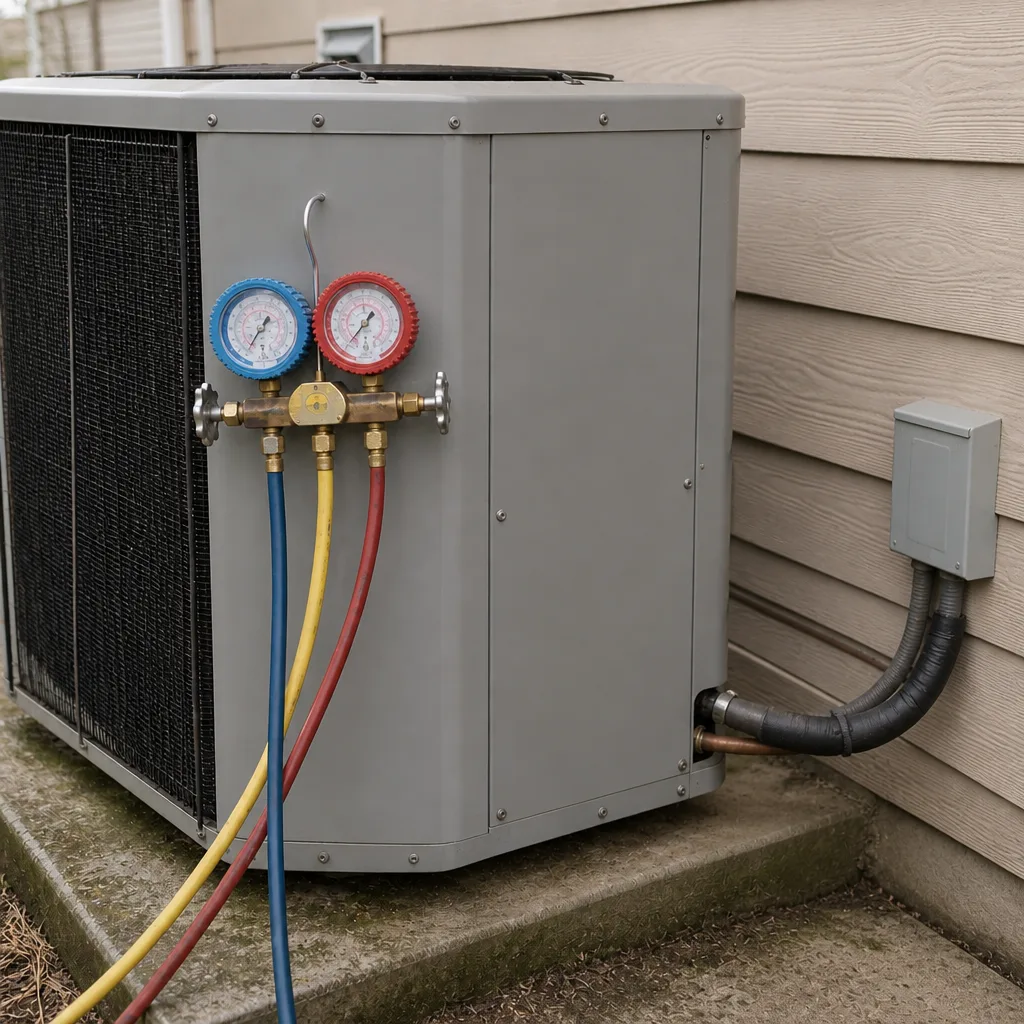
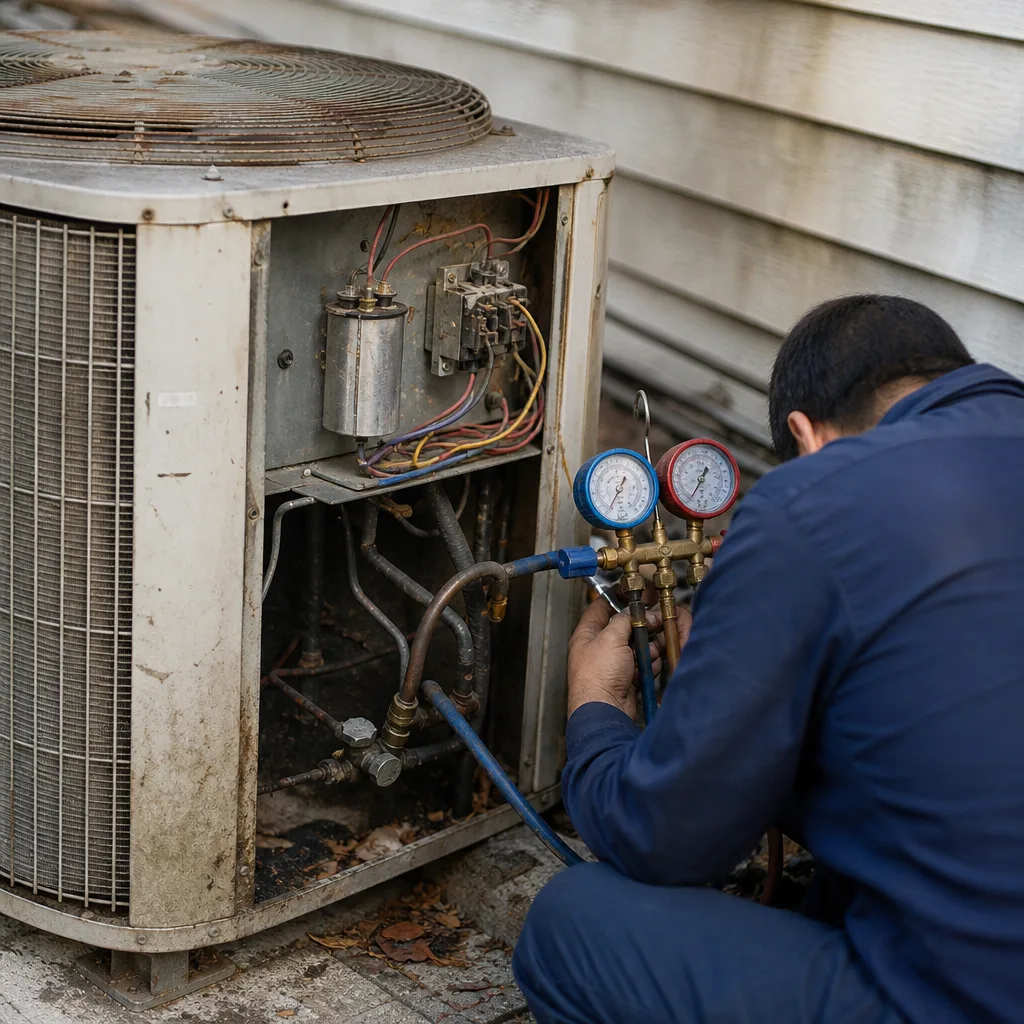
See the difference
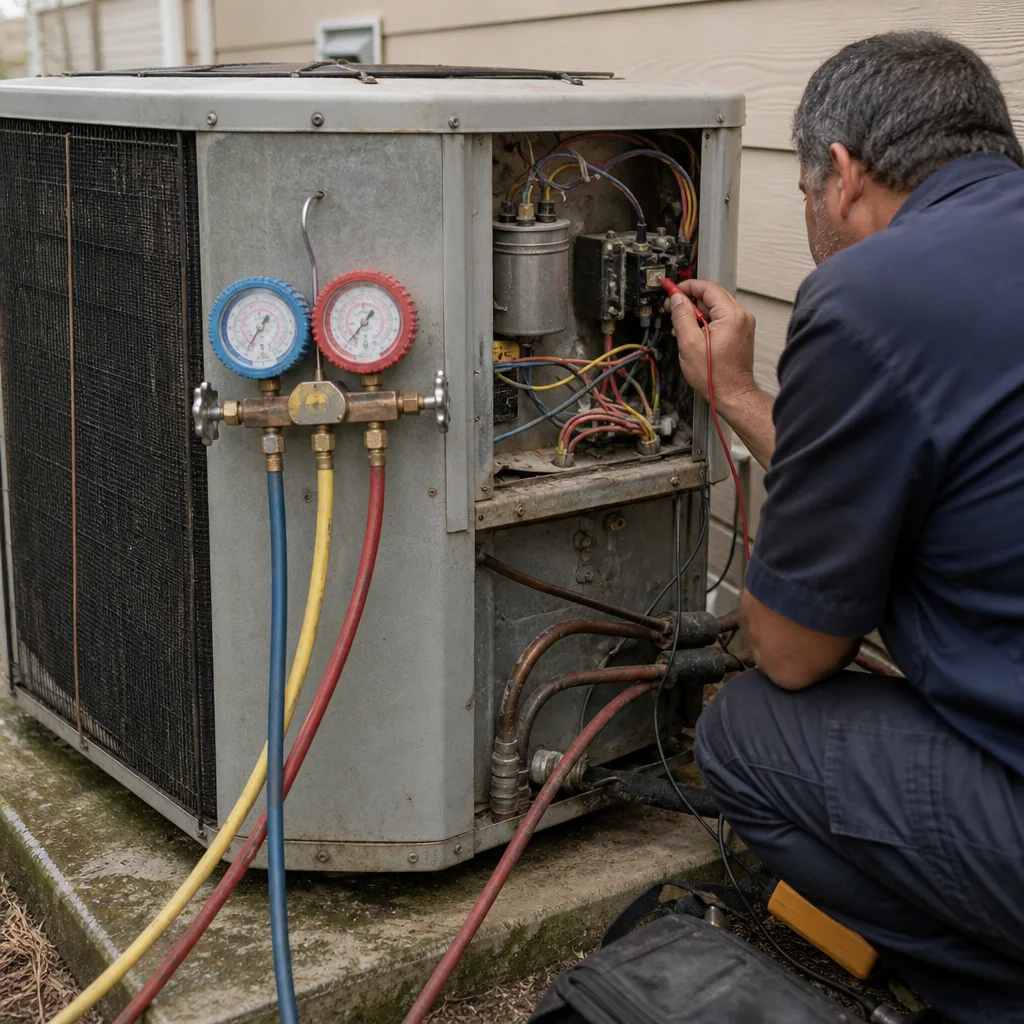 Before
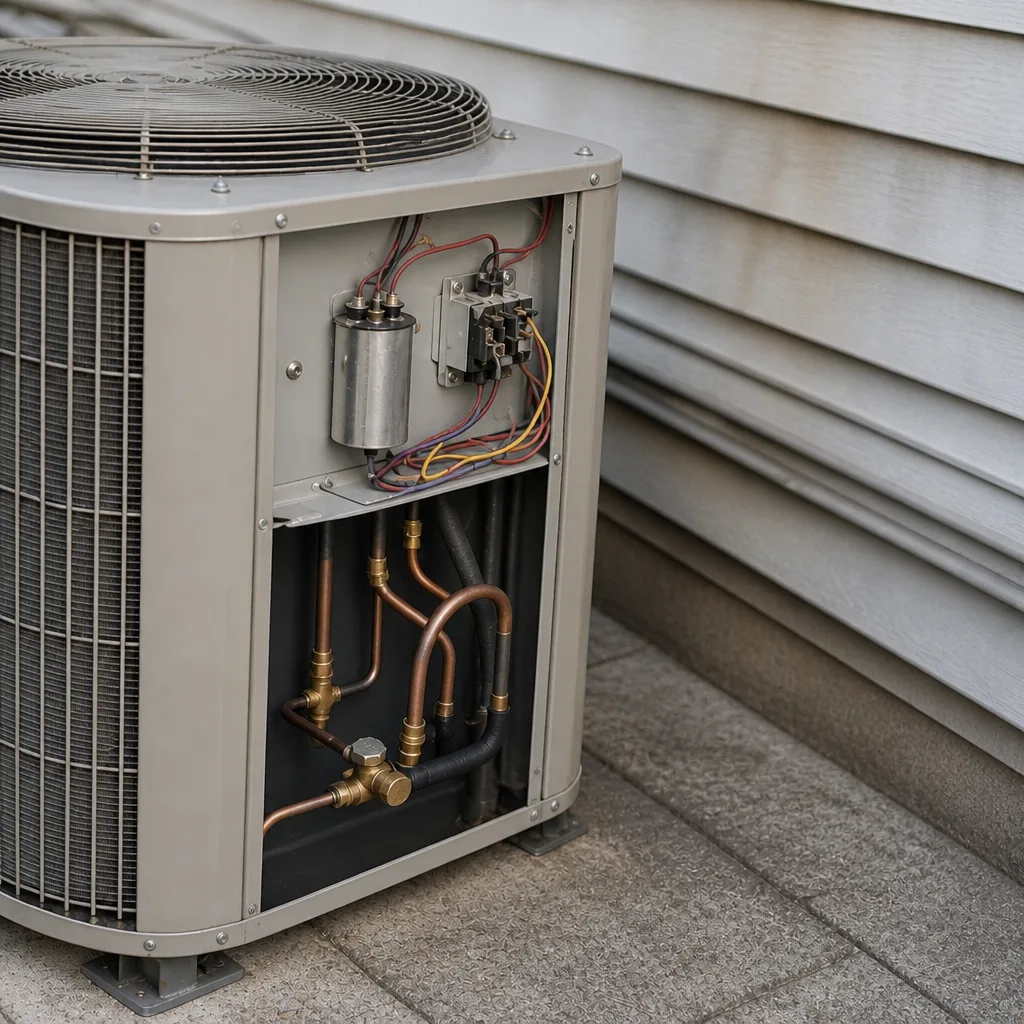
 After
 Before
 After
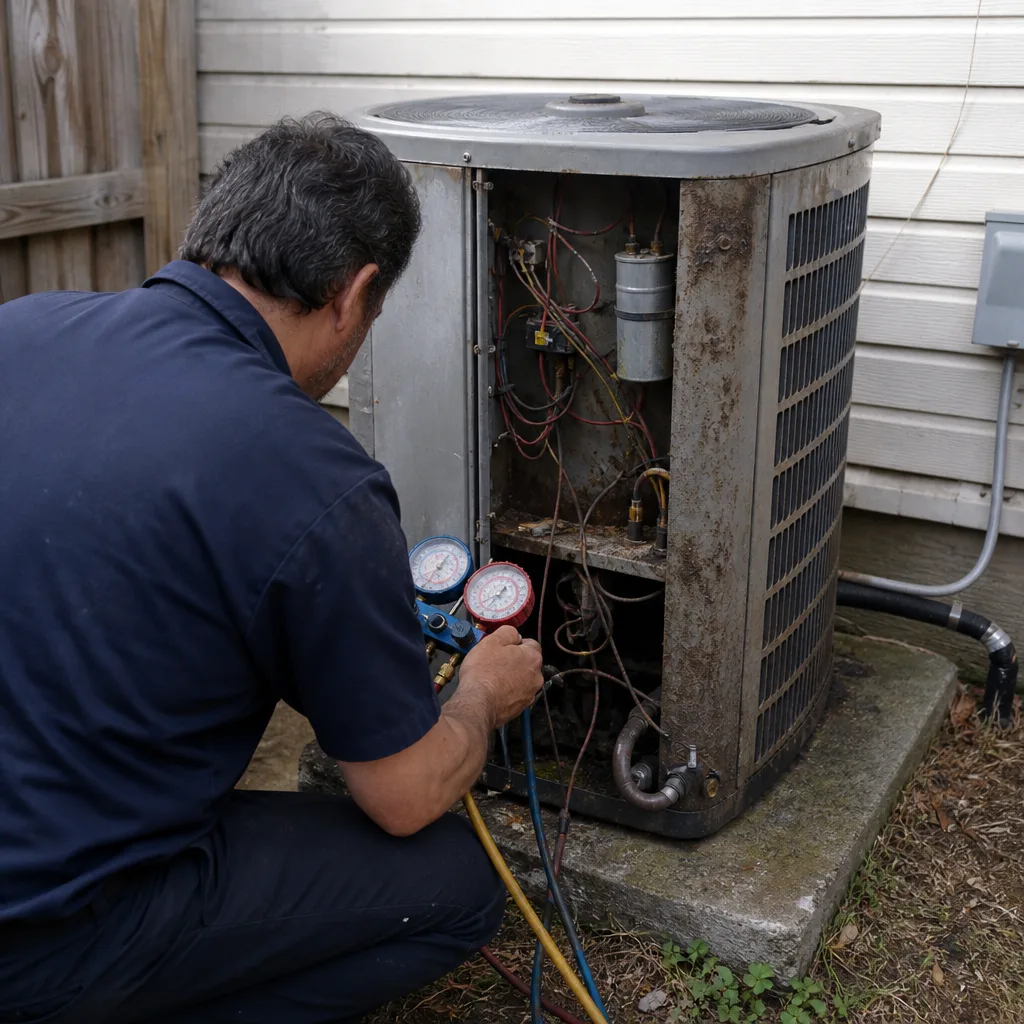 Before
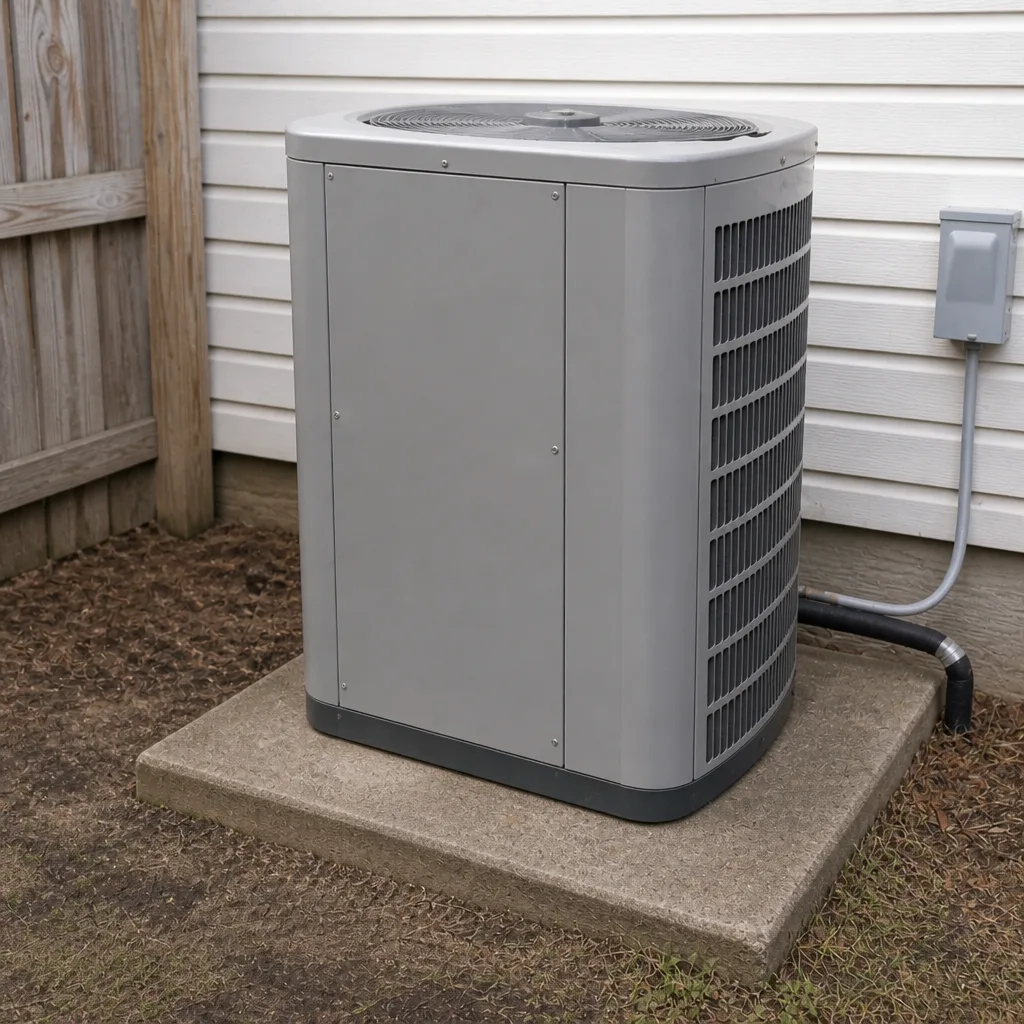 After
Frequently Asked Questions
Yes. Texas requires HVAC technicians to be licensed through the Texas Department of Licensing and Regulation (TDLR), and refrigerant handling additionally requires EPA Section 608 certification. Verify the license number on the TDLR search site before work begins. Call (866) 982-5097 for a free estimate from a licensed team.
You check a contractor’s license by searching the TDLR license lookup tool for the license number or company name, then confirming the license is active, the class covers the work being done, and the legal name matches the name on your contract. Ask for the number up front, then check it. If they hesitate to share it, that’s the answer.
Class A covers any HVAC equipment, Class B covers equipment up to 25 tons or 200,000 BTUs heating, and Residential covers single-family and two-family homes within those same capacity limits. Most Pasadena homes fall under a Residential license, but ask which class your contractor holds and confirm it covers your specific equipment. Call (866) 982-5097 and we’ll walk you through what your project requires.
A Manual J load calculation sizes the replacement system to your specific home using measurements and local climate data. Without one, the contractor is guessing at tonnage, and oversized or undersized systems cost money every month in efficiency and lifespan. If a quote doesn’t include a load calc, ask why. Estimates are free at (866) 982-5097.
An HVAC contractor should carry general liability insurance and workers’ compensation insurance. Request both as certificates of insurance, and if you want to see the coverage limits, ask for the policy declaration page, which is a different document. A contractor who can’t produce them isn’t insured in any way that protects you.
Repair usually makes sense when the system is under 10-12 years old, the repair cost is a small fraction of replacement, and the equipment hasn’t had repeated failures. Replace when the system is near or past typical service life, has had two or more major repairs in recent seasons, or when refrigerant for an older system has become difficult to source. For brand name systems (Carrier, Trane, Bryant, American Standard), a proper diagnosis should come first. Call (866) 982-5097 for a free estimate before deciding. For a broader look at what we do, see Paragon AC Repair.
The Bottom Line
Hiring an HVAC contractor in Pasadena is less about finding the most-reviewed name and more about knowing which five checks actually protect you: TDLR license verification, license class match, a Manual J load calculation on any replacement, both insurance documents, and a contract with payment tied to inspection sign-offs. Each takes minutes to verify. Each is the difference between a system that runs correctly for its full lifespan and one that gets patched and revisited. Brand-agnostic service matters too – you want a contractor who can diagnose the system in front of them, not the one brand they happen to sell. That’s what we mean when we say one contractor, every season.
Get a Free Estimate in Pasadena
If you’re ready to move from a quote to a real estimate, call (866) 982-5097. We answer 24/7. Fast dispatch from 7am to 7pm, Sunday through Friday. We’ll verify the license, run the load calc when it’s a replacement, quote in writing, and schedule the install once the details are settled. Heating or cooling, we handle both. The Paragon standard means work done correctly the first time, and a written estimate that means what it says.
Written by the team at Paragon AC Repair.